How to Stay Safe from Security Risks at Web3 Conferences

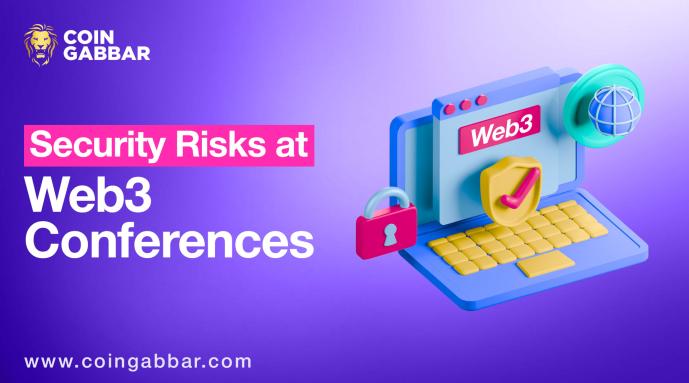
Top Security Risks at Web3 Conferences & How to Stay Safe
As the Web3 space continues to grow, so does the number of Web3 conferences, summits, and meetups. These events offer incredible opportunities for projects to showcase their tokens, network with industry leaders, and gain exposure. For investors, Web3 conferences are places to learn about new projects, make valuable connections, and discover investment opportunities.
However, with the rise of Web3 technology and cryptocurrency, these events also attract security risks. From data breaches and fraudulent activities to scams targeting unsuspecting participants, it’s crucial to understand how to protect yourself when attending or hosting a Web3 conference.
In this blog, we will explore the security risks associated with Web3 conferences, how these risks can impact both projects and investors, and the steps you can take to mitigate them.
For projects, securing your event crypto and ensuring the safety of participant data is critical to building trust and credibility. For investors, being aware of security risks helps protect your personal information, assets, and time, ensuring a safe and productive event experience.
Common Security Risks at Web3 Conferences
1. Data Breaches and Information Leaks
For projects, hosting a Web3 conference means collecting sensitive information, such as personal details, registration data, and financial transactions. If the event platform is not properly secured, this data can be exposed or stolen.
For investors, attending a Web3 conference may require sharing personal information, including email addresses, wallet addresses, and payment details. If the event is not compliant with data protection regulations, your data could be vulnerable to breaches.
How to Protect Against Data Breaches:
-
For projects, use secure event platforms with encrypted data storage and SSL certificates.
-
For investors, check if the event website is secure, using HTTPS and SSL encryption, before submitting any personal information.
KYC & Compliance for Safe Crypto Events
2. Phishing and Social Engineering Attacks
For projects, Web3 conferences are prime targets for phishing and social engineering attacks, where attackers impersonate legitimate participants or organizers to gain access to sensitive data. Scammers may create fake websites, emails, or social media accounts that appear to be linked to the event, tricking organizers into sharing login credentials or financial information.
For investors, phishing attacks are a common risk at Web3 Conferences events, particularly when scammers impersonate speakers or event organizers to trick attendees into revealing private information or making fraudulent transactions.
How to Avoid Phishing and Social Engineering:
-
For projects, verify every communication source before responding, especially emails or social media messages claiming to be from event organizers or sponsors.
-
For investors, double-check the URLs and email addresses of event communications, and ensure you're on the official event website before making any transactions or entering personal data.
Spot & Stop Fraud Crypto Event Scams to Avoid
3. Fake Ticketing and Unauthorized Payment Platforms
For projects, some scammers target Web3 Conferences events by setting up fake ticketing platforms or charging excessive fees for event registration. These fraudulent platforms can lead to lost funds and negative publicity for the event.
For investors, fraudulent ticketing systems can lead to payment fraud. Scammers may promise exclusive event access, VIP tickets, or early bird discounts, only to disappear with the participant's money.
How to Protect Against Fake Ticketing:
-
For projects, use verified ticketing platforms such as Eventbrite or integrate secure payment gateways with encryption for ticket sales.
-
For investors, always buy tickets from official sources and double-check the payment platform's security features before entering sensitive financial information.
4. Fraudulent Speaker and Panelist Claims
For projects, a scam event may falsely advertise well-known speakers or industry leaders without their consent. Fraudulent conferences often use fake or unqualified speakers to create a sense of legitimacy and attract more attendees.
For investors, attending an event with unverified speakers or panelists can be a sign of a fraudulent event. Scammers often use the names of reputable people or organizations to make their event seem credible.
How to Verify Speakers:
-
For projects, ensure that speakers are verified and publicly listed on credible social media platforms or event websites.
-
For investors, research the speaker's background on LinkedIn or Twitter and verify their involvement with the event through official channels.
Ensure Credibility Speaker Verification at Blockchain Events
5. Unsecure Web3 Wallets and Unauthorized Crypto Transactions
For projects, Web3 conferences often involve handling crypto transactions, whether it's for token sales, sponsorships, or partnerships. Scammers may attempt to exploit unsecure wallets or systems to intercept funds, especially in the case of poorly secured event platforms.
For investors, using an unsecure wallet or engaging in unverified token sales can lead to loss of funds or theft. Since Web3 Conferences transactions are irreversible, any funds sent to the wrong address or scam wallet are lost.
How to Avoid Wallet Security Risks:
-
For projects, integrate secure multi-signature wallets and only use reputable payment processors to handle transactions.
-
For investors, ensure that the event platform is secure and never send funds to an unverified wallet address. Use hardware wallets for high-value transactions and ensure wallet addresses are correctly verified.
6. Lack of Regulatory Compliance
For projects, failing to comply with KYC, AML, or data protection regulations can lead to legal issues and financial penalties. Non-compliant Web3 Conferences can be shut down by regulatory authorities or attract scrutiny from financial watchdogs.
For investors, attending an event that does not follow regulatory standards could expose you to risks such as participating in an illegal token sale or being subject to fraudulent activity.
How to Ensure Compliance:
-
For projects, ensure that your event complies with local regulations regarding token sales, data protection laws, and financial activities.
-
For investors, always verify that the event is KYC/AML compliant and follows local data protection laws before participating.
How to Protect Yourself at Web3 Conferences
1. Use Secure Platforms and Payment Systems
Ensure that the event platform you are using is reputable, secure, and compliant with necessary cybersecurity standards. Look for SSL encryption and other security features to protect your personal data.
2. Be Skeptical of Unrealistic Promises
If an event promises guaranteed returns, VIP access, or other unrealistic benefits, it’s likely a red flag. Legitimate events focus on education, networking, and industry collaboration, not on making promises that sound too good to be true.
3. Verify Event Details and Speakers
Before attending a Web3 event, verify the details of the event and the credentials of speakers or panelists. Always cross-check information with trusted sources and official event channels.
4. Monitor Transactions Carefully
For projects, ensure that all transactions during the event are secure and handled via trusted platforms. For investors, monitor all transactions carefully, and make sure you only send funds to verified wallets.
Conclusion
Understanding the security risks at Web3 conferences is crucial for both projects and investors. By staying vigilant and following best practices, you can protect yourself from scams, fraud, and data breaches. Whether you’re organizing or attending a Web3 event, always prioritize security, compliance, and transparency to ensure a safe, productive experience.
With proper precautions and a clear understanding of the risks, Web3 events can be an invaluable opportunity to network, learn, and grow in the ever-evolving crypto space.
Disclaimer
This content is for informational purposes only and does not constitute financial or investment advice. Crypto events come with inherent risks. Always perform due diligence and ensure that the events you attend comply with industry standards and regulations.