BlackRock Executives Champion Asset Tokenization as Key Bridge

How Asset Tokenization Merges Traditional and Digital Finance
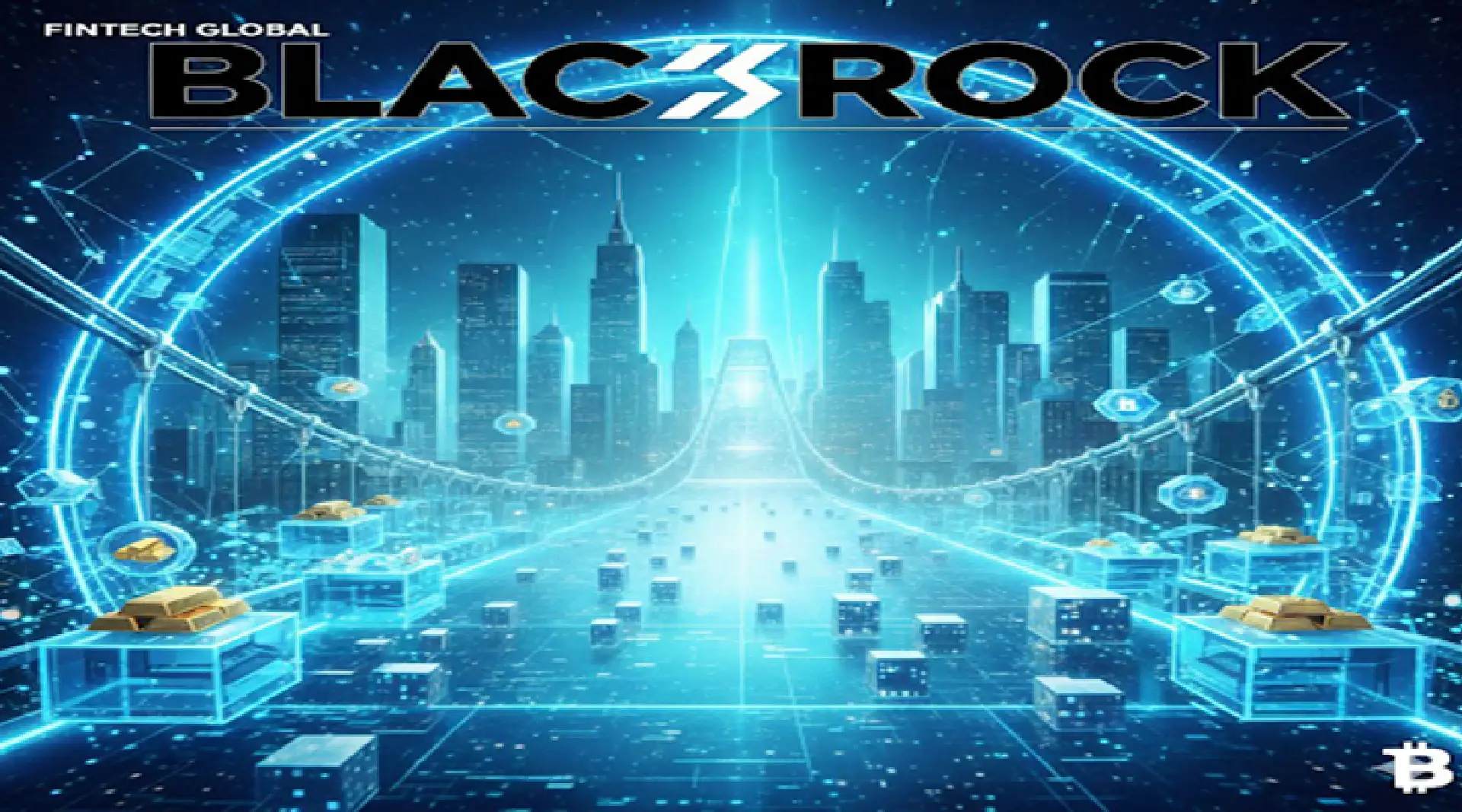
BlackRock's leadership has made a strong new case for blockchain's future. This week, CEO Larry Fink and COO Rob Goldstein wrote an important opinion piece. They framed asset tokenization as the critical link between established finance and digital innovation. The executives characterized the process as a bridge under construction from both riverbanks. Traditional institutions stand firmly on one side of this financial divide. Digital-native innovators and public blockchains occupy the opposite shore. This technological shift represents the meeting point where these worlds will converge.
This is a significant about-turn for the Wall Street behemoth. Fink had once been one of the most vocal skeptics of the entire cryptocurrency market. His very public conversion now carries significant weight with institutional acceptance. The asset manager controls an astonishing thirteen point four trillion dollars worldwide; it also maintains the largest tokenized cash fund at two point eight billion dollars. Real-world experience thus imbues them with an optimistic view of the technology's prospects.
How Asset Tokenization Merges Traditional and Digital Finance
The executives said they could not at first see the core value of tokenization. Early crypto market speculation often obscured the underlying technological promise. Now the financial world sees what was hidden beneath that initial hype. This process can drastically expand the universe of investable opportunities. The realm of publicly listed stocks and bonds is familiar ground. This opens up new markets for real-world assets like real estate or private equity. But it also introduces unprecedented efficiency and transparency into old processes.
A tangible example of this in action is BlackRock's own BUIDL fund, offering institutional clients digital exposure to cash-market instruments; a real use case for how blockchain can add value to traditional products. This model could extend to countless other financial instruments in the coming years. The firm likens this innovation to the historic rise of bond exchange-traded funds. Those earlier ETFs connected dealer markets with public exchanges long ago.
A Call for Prudent Regulation and Collaborative Progress
Fink and Goldstein emphasize that such development should come about in a very responsible manner. They overtly ask for fresh rules from the policymakers and regulators. In order for the traditional and tokenized markets to integrate safely, collaboration is imperative. This regulatory bridge is equally as important as the technological one. Precisely, their vision depends on secured, intentional evolution rather than disruptive replacement.
According to their vision, the existing financial system will not disappear anytime soon. That is a seminal moment-the endorsement from the most influential player in finance. It means the technology is no longer a niche experiment. It is a mainstream development in financial infrastructure and a priority for the world's largest capital allocator. This will likely accelerate investment and development across the entire sector. Other major institutions will closely watch BlackRock's next strategic moves. The bridge they describe is now under active and powerful construction.









