Is the Dollar Collapsing? Bitcoin Growth vs US Debt Crisis 2026?


Why the US Dollar is Losing Value: Is Bitcoin the New Global Reserve?
The money in your pocket is changing. If you feel like your paycheck doesn't buy as much as it used to, you are right. By April 2026, the data shows a clear picture: the US dollar is losing its power. While this sounds scary, a new digital solution is stepping in to help people protect their savings.

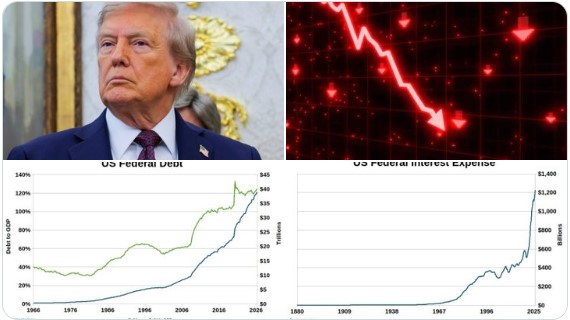
Source: X Official (@cryptorover)
In early 2026, as the US national debt charges toward $40 trillion, the conversation has moved from internet forums to the halls of Congress. While the dollars remain the world's primary currency for buying groceries and paying taxes, their role as the ultimate store of value is being explicitly challenged.
Why the USD is Vulnerable: The Growing US Debt Crisis
To understand if Bitcoin can replace the dollar, we must look at why the US-dollar is slipping. The US debt crisis has reached a tipping point. Right now, the US national debt 2026 has climbed past $39 trillion. It means the government owes more than $120,000 for every person in the country.
Why does this matter? It leads to USD devaluation 2026. When the government spends more than it has, it creates a US budget deficit 2026. To pay for this, more money enters the system, which makes every single dollar you own worth less. In fact, if you had $100 in 2021, it only buys about $80 worth of goods today.
If you ask, "How much has the dollar lost value in 2026?" Since 1913, the currency has lost about 97% of its buying power.
The government also has to pay back what it borrows with interest. These US debt interest payments now cost over $1 trillion every year. This is money that could go to schools or roads but instead just pays off old bills.
Experts at the CBO project 120% GDP debt by 2036, meaning the debt will be much larger than the entire US economy.
This currency weakness 2026 is creating a vacuum. When a currency loses value, people and nations look for an exit.
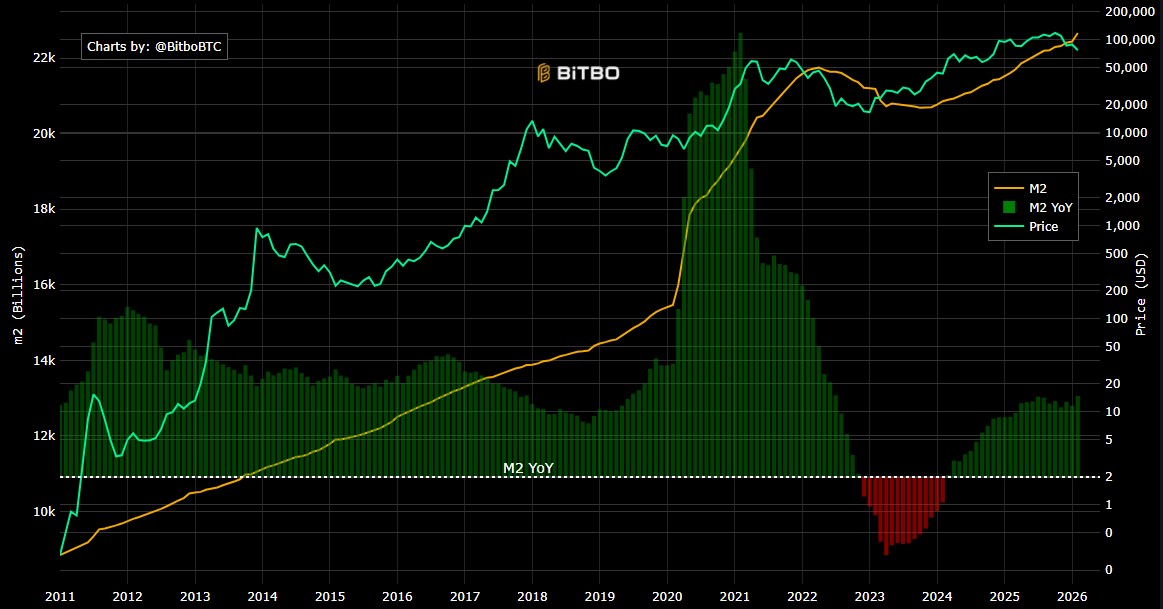
Source: Bitbo Official (US Money Supply vs Bitcoin Price)
Bitcoin as the Digital Successor to the Dollars
Bitcoin isn't replacing the USD as a way to buy coffee, at least not yet. Instead, it is replacing the dollars' role as a Reserve Asset. This is known as the BTC hedge for the dollars.
The Strategic Bitcoin Reserve
The most explicit sign of this shift is the Strategic Bitcoin Reserve established by the US government. By holding BTC alongside gold, the US is admitting that a fixed-supply digital asset is a necessary balance to a devaluing paper currency.
Institutional and Global Trust
Big players are moving billions through spot Bitcoin ETF inflows 2026. Simultaneously, a global movement of de-dollarization is under way. Countries are facing problems due to war sanctions and losing value due to US inflation, leading them to settle trades in other assets, including BTC.
Can It Truly Replace the Dollar?
The reality of 2026 is that we are moving toward a Dual System.
The USD will likely remain a Medium of Exchange (used for daily spending and taxes).
Bitcoin is becoming the Primary Store of Value (used for long-term savings and national reserves).
While a total dollar collapse is unlikely, the USD’s monopoly on global finance is slowly collapsing. Especially when countries are starting to accept other options for global trade, i.e., Iran allowing Strait of Hormuz use in exchange of Yuan, BTC, etc.
The bitcoin in 2026 reflects this—as the dollar’s supply goes up, BTC’s scarcity makes it the hardest money ever created.
Disclaimer: This article is for informational purposes only and does not constitute legal, or financial advice.
Also read:









