Pi App Studio Payments and Pi Network Utility Growth

Pi App Studio Payments Integration Announced, Pi Coin Price Prediction
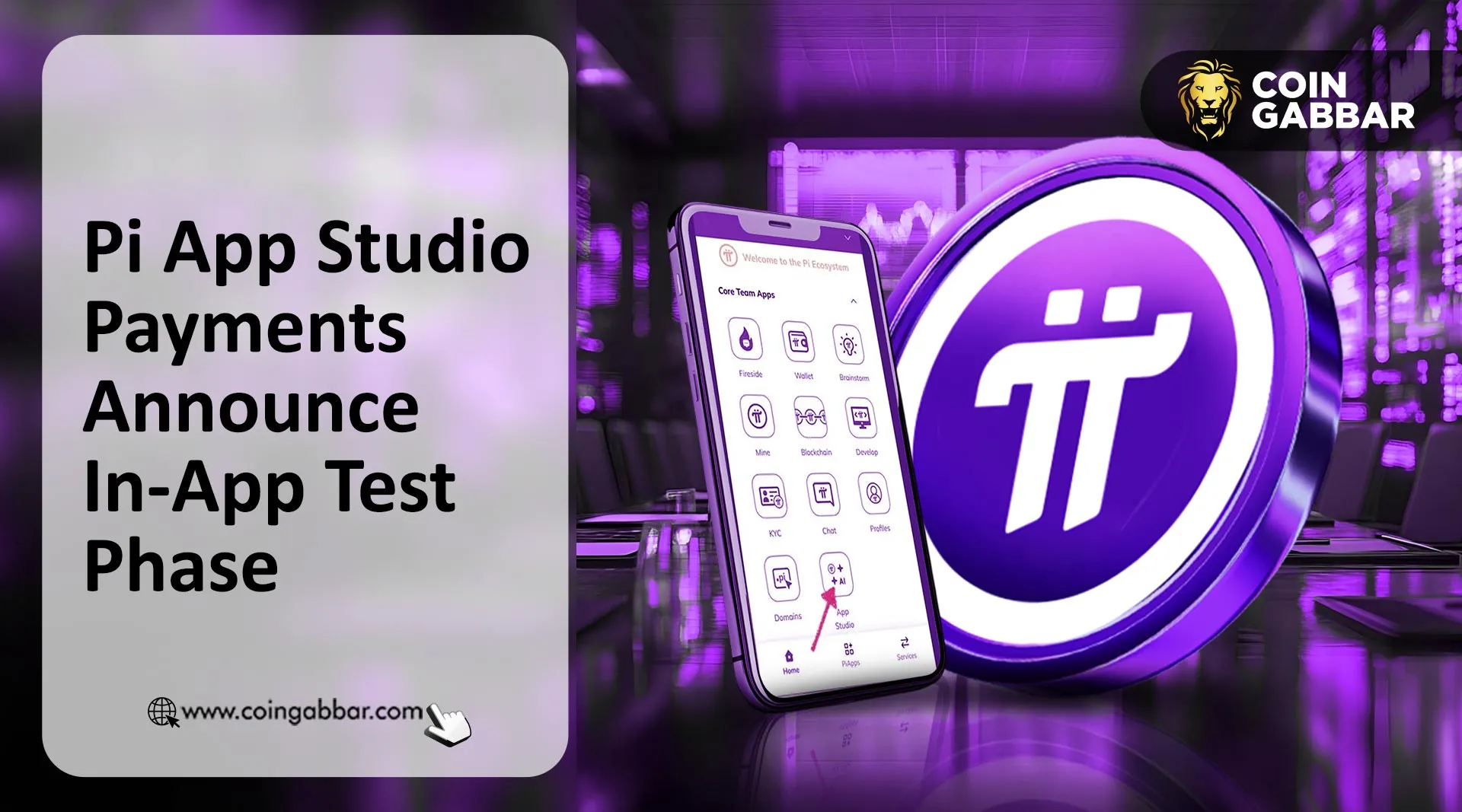
Pi App Studio Payments moves Pi Network from a community-mining story toward a more practical utility discussion. The test phase allows developers to experiment with Test-Pi inside applications, which can support digital purchases, services, game items or subscriptions. The update does not remove price pressure or listing questions, but it gives users a clearer way to judge whether real demand can grow inside the ecosystem.
Why Test-Pi Payments Matter
A payment test phase matters because utility needs working applications, not only token speculation. Developers can test how users pay inside apps before wider deployment. The Ethereum learning hub offers broader education on blockchain applications, giving Pi users a useful comparison point for judging whether in-app payments have practical value beyond speculation.
Developer Adoption and App Demand
Pi’s next signal is developer activity. More builders using in-app payments could create organic demand, but only if apps offer useful services. For Pi, cryptocurrency price prediction should be read through utility, supply and app usage rather than only exchange rumors.
Price Pressure and Token Unlocks
Pi price discussions remain sensitive because unlocks can add selling pressure. Payment utility may help demand over time, but it does not automatically absorb new supply. Users should compare price claims with volume, exchange access and actual app usage before expecting a trend reversal.
Exchange Listing Talk Around Pi
Pi listing speculation often rises when utility updates appear. Still, exchanges need their own confirmation. If Pi listing speculation rises, crypto exchange news and upcoming crypto listings on exchanges are relevant only when they show direct exchange or project confirmation. App Studio payment tests alone should not be treated as a listing notice.
Mainnet Readiness and User Confidence
For payments to matter beyond testing, users need stable mainnet access, clear wallet support and reliable app experiences. CFTC virtual currency risk guide is useful for understanding broader virtual-currency risk before treating any utility update as a reason to trade aggressively.
How Utility Could Shape Demand
If developers create real services and users spend Pi inside them, demand may become more grounded. That would be different from short-term social hype. If Pi developers schedule public app showcases, AMAs or blockchain conference sessions, crypto events can be used for event discovery. The stronger adoption signal still comes from working apps, repeat payments and mainnet reliability.
What Pi Users Should Watch Next
The next useful signs are more App Studio apps, successful payment tests, mainnet progress, exchange communication and less confusion around unlock schedules. For broader industry context, top crypto events 2026 matters only if Pi-related developer showcases or payment demos are part of those events. Product usage and payment success remain the main signals.
Pi Utility Beyond the Payment Demo
Pi App Studio Payments become more meaningful if developers, merchants and users can complete simple transactions inside real app flows. A payment update should be judged by usability, settlement clarity and whether app builders continue adding practical features. Strong utility growth depends on repeated use, not only on one announcement.
How Payments Could Strengthen Pi Apps
Payment support inside Pi App Studio can make the ecosystem more practical if developers use it in real app flows. A payment feature becomes stronger when users can understand the transaction path, merchant purpose and app value. Pi utility should be measured by repeated use and builder adoption, not only by the existence of a payment button.
Builder Adoption and User Demand
Developers are central to the value of Pi App Studio Payments. If builders create useful services that accept Pi, user demand can become more organic. If apps remain experimental or unclear, payment support may not translate into sustained activity. The next meaningful signal is whether app creators continue adding real functions, not just announcements.
Separating Utility From Price Rumors
Payment updates can increase market discussion, but utility and price are different topics. A working app payment flow does not automatically confirm exchange movement or a price target. Users should separate product progress from market speculation. This keeps the focus on what Pi App Studio actually enables and reduces the chance of acting on unsupported claims.
User Safety Inside Payment Flows
Payment features should be simple, transparent and connected to official Pi Network tools. Users should check app permissions, transaction details and account prompts before approving anything. If a payment page asks for unrelated wallet access or recovery information, it should be avoided. Practical utility must still be paired with safe user controls.
Why Practical App Flows Matter
A payment feature becomes more meaningful when it appears inside apps people actually use. Pi App Studio can support utility if builders create clear services where Pi payments solve a real user need. The payment flow should be easy to understand, with visible transaction details and a clear reason for the charge. Without practical app flows, payment support may remain a feature announcement rather than a daily-use signal.
Pi Payment Updates and Ecosystem Trust
Trust in Pi payments depends on whether users can see consistent rules across apps. Developers should explain what the payment does, how completion is shown and whether refunds or support are available. Users are more likely to trust Pi App Studio Payments when the experience feels predictable and when official ecosystem communication supports the feature.
Pi App Studio Payments Terms to Know
Test-Pi means a test version used for development. Utility means practical token use. Mainnet means the live blockchain environment. Unlocks mean tokens becoming available for transfer or sale.
Pi App Studio Payments Reader Disclaimer
This content is informational only. Pi users should verify official Pi Network sources and avoid treating utility updates as guaranteed price movement.








