How Blockchain Technology Supports Secure Transactions in E-Commerce

How Blockchain Technology Secures Online Payments
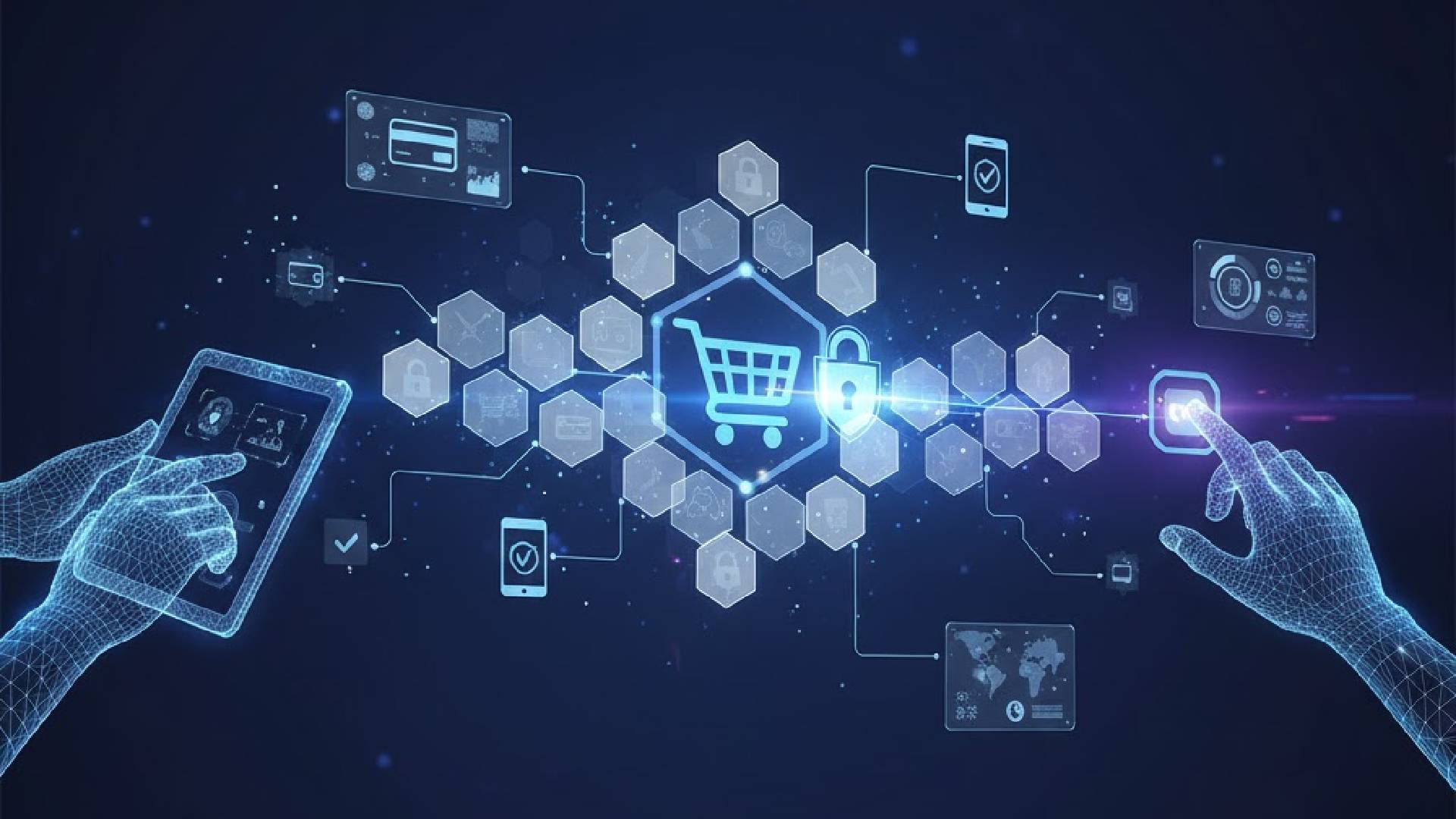
Blockchain technology is changing the way we make secure payments online. With more and more people shopping on the internet, worries about fraud and data theft are increasing. Blockchain helps solve these problems by making sure every transaction is clear, safe, and protected from tampering.
Instead of relying on one central company to keep track of payments, blockchain uses a system where many computers work together to record and check transactions. This makes it hard for anyone to change the payment details without being noticed. Blockchain also uses strong codes called cryptography to protect the information.
Another important feature is smart contracts. These are like digital promises that automatically carry out payments when certain conditions are met. For example, a smart contract could send money to a seller only after the buyer confirms they’ve received the item they ordered. This reduces the chance of misunderstandings or fraud.
All these features make blockchain a powerful tool for online shopping. It ensures that payments are safe and helps businesses build trust with their customers by protecting their personal data. As blockchain technology becomes more popular, it is helping make online payments safer and more reliable.
How Blockchain Enhances Cryptocurrency Security in E-Commerce
The use of cryptocurrency for payments in online shopping is opening up new possibilities for businesses and buyers all over the world. With this new way of paying comes the need for even stronger security. Blockchain technology provides the perfect solution, ensuring that every digital payment is encrypted, verified, and irreversible.
Let’s explore the key features of blockchain that help protect e-commerce transactions:
Advanced Cryptography
At the heart of blockchain technology is cryptography, which is a way of protecting information so that only certain people can see or change it. Blockchain uses a special type of cryptography called public-key cryptography to keep transaction data safe. This means that only the person making the transaction and the person receiving the payment can read the details.
For e-commerce, this is important because it protects sensitive customer data, like payment details and personal identity, during online transactions. Cryptography also helps to verify the legitimacy of both buyers and sellers, which reduces fraud and builds trust in digital transactions.
Stealth Addresses for Buyer Privacy
When you make a payment using cryptocurrency, your personal wallet address is often visible to others. However, blockchain technology can keep your identity hidden through stealth addresses. A stealth address is a one-time address created just for that transaction. It keeps the actual wallet address of the buyer secret.
This helps protect buyer privacy. In today’s world, where identity theft and tracking are common, this added layer of privacy makes people feel more secure when shopping online. By preventing other people from knowing who made the payment, stealth addresses help maintain anonymity, so you don’t have to worry about your personal financial information being exposed. This conceals the actual Monero wallet address of the buyer, safeguarding personal financial details from exposure.
Ring Signatures for Transaction Anonymity
Ring signatures are another feature used by blockchain to improve privacy. A ring signature is a type of digital signature that hides the identity of the person making a transaction. When someone buys something using a cryptocurrency that supports ring signatures, the transaction is signed by a group of people, but no one knows exactly which person from the group made the payment.
This protects the buyer’s privacy even more. For example, in e-commerce, the merchant can confirm that a payment was made, but they won’t know who exactly made the purchase. This helps to keep users' identities safe and reduces the risk of data leaks or people being targeted for unwanted ads or scams.
Immutability: Permanent, Tamper-Proof Records
One of the most important features of blockchain is that once a transaction is recorded, it can’t be changed or deleted. This is called immutability. For online shopping, this is great because it makes payments secure and trustworthy. Once a payment is made and confirmed, it is final. No one can change it or make false claims about it.
This feature prevents problems like chargeback fraud, which happens when a buyer asks for their money back after receiving the item. Since blockchain records can’t be altered, both the buyer and the seller can be confident that the payment is real and final. This helps avoid disputes and keeps transactions transparent.
Smart Contracts: Automation Meets Security
Smart contracts are another important feature of blockchain. A smart contract is like a digital agreement between two parties, and it automatically carries out actions when certain conditions are met. The best part is that no one has to be involved in the process.
For example, a smart contracts can automatically send money to a seller only when the buyer confirms that they have received the product they ordered. This helps ensure that both parties trust each other and prevent fraud. Smart contracts also reduce the time and costs of handling payments, which is great for businesses.
Final Thoughts: The Future of Secure Digital Commerce
Blockchain technology is quickly becoming the foundation for secure transactions in online shopping. Its features, like cryptographic encryption, stealth addresses, ring signatures, immutability, and smart contracts, create a safer and more transparent shopping environment for both businesses and consumers.
As e-commerce continues to grow, blockchain will play a key role in making online transactions more secure, fraud-resistant, and trustworthy. The shift toward blockchain-powered payments represents a big change in the world of digital commerce—one that focuses on security, privacy, and giving users more control over their online transactions.
With these advances in blockchain, we can expect safer, more reliable online shopping experiences for years to come.