Token Burn Tracker: Crypto Burn Events, Schedules & Supply Impact
Track crypto token burn events, burn schedules, supply reduction updates, and blockchain projects using token burning mechanisms. This hub explains how token burns work, why projects remove tokens from circulation, and how supply changes can affect crypto ecosystems.

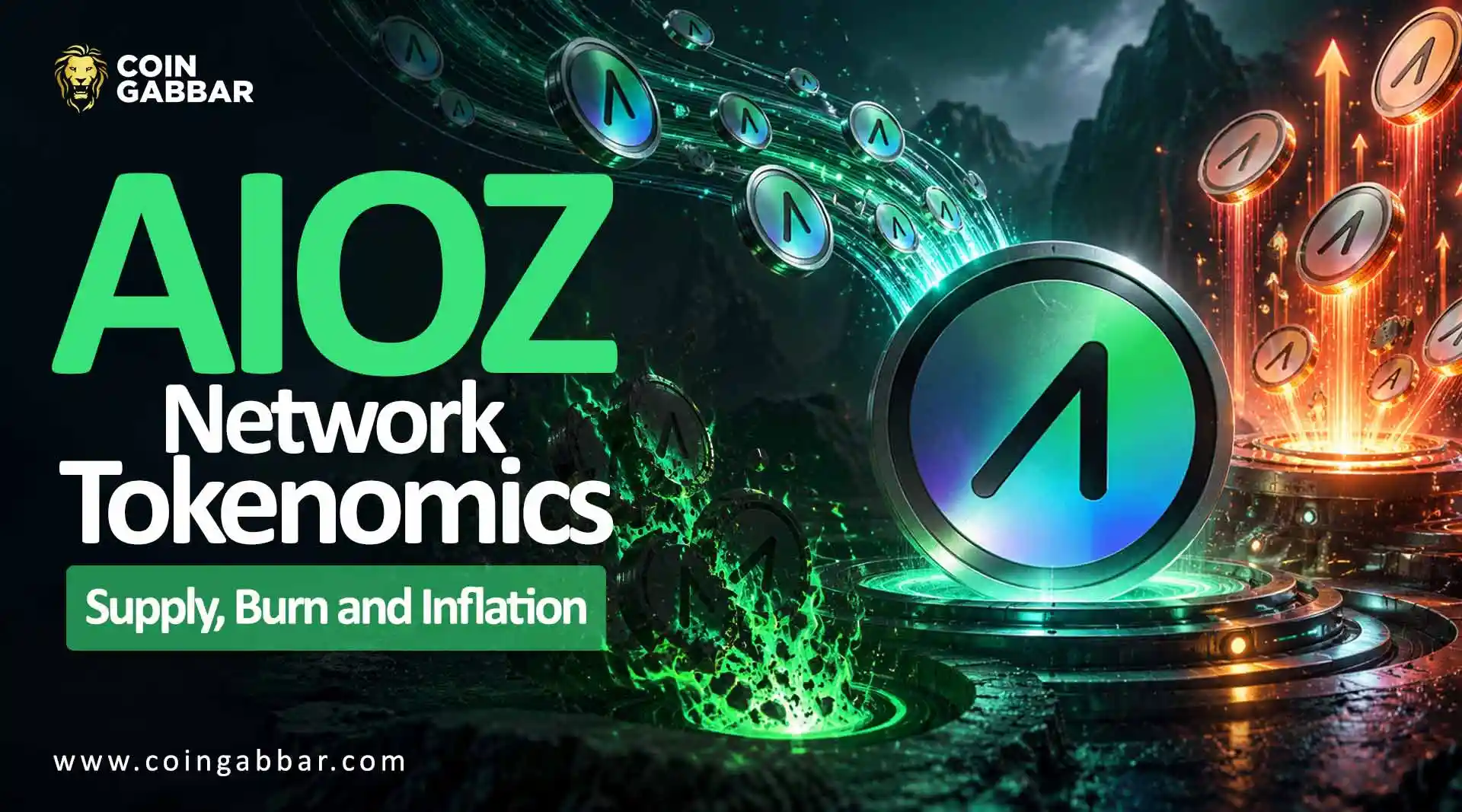
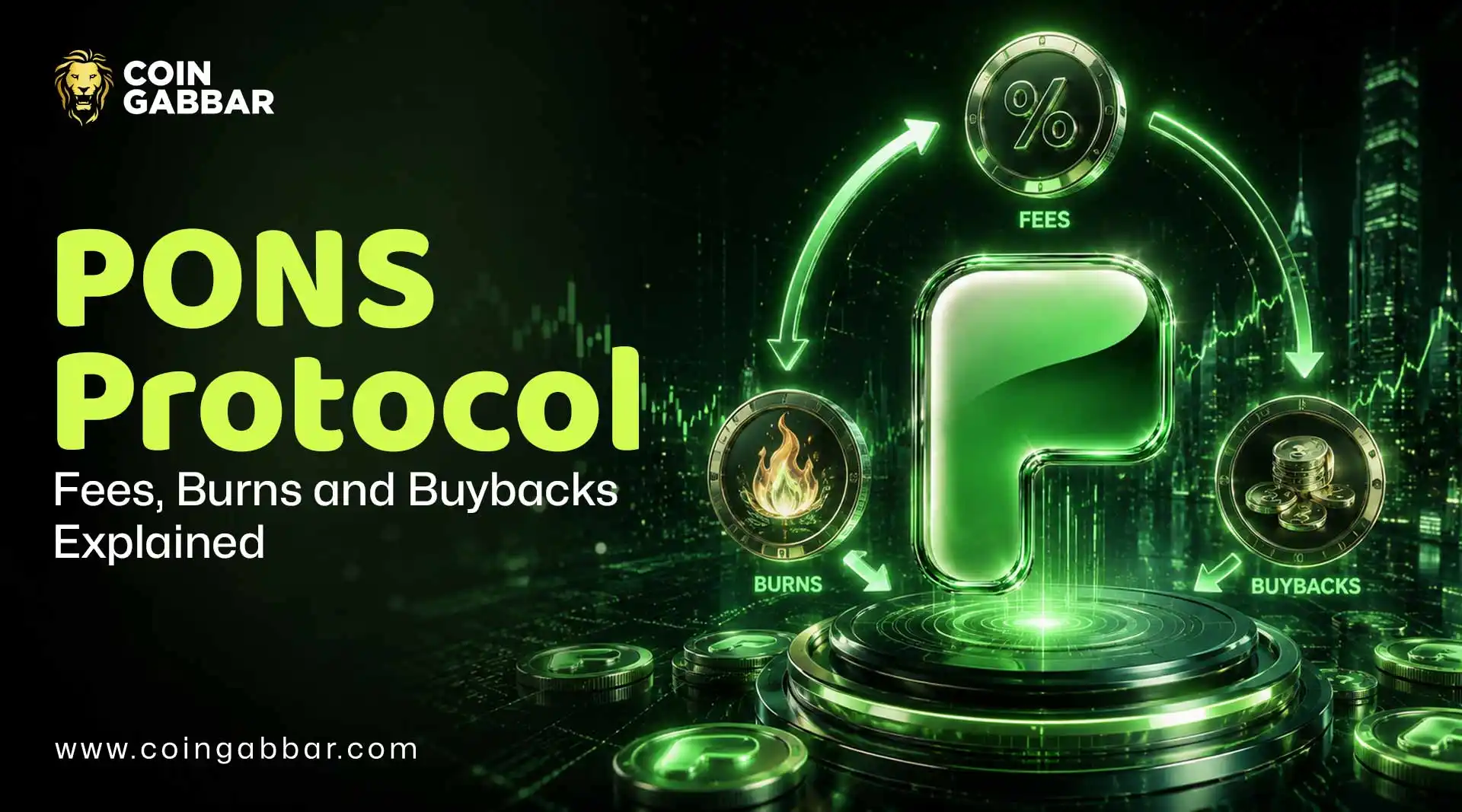
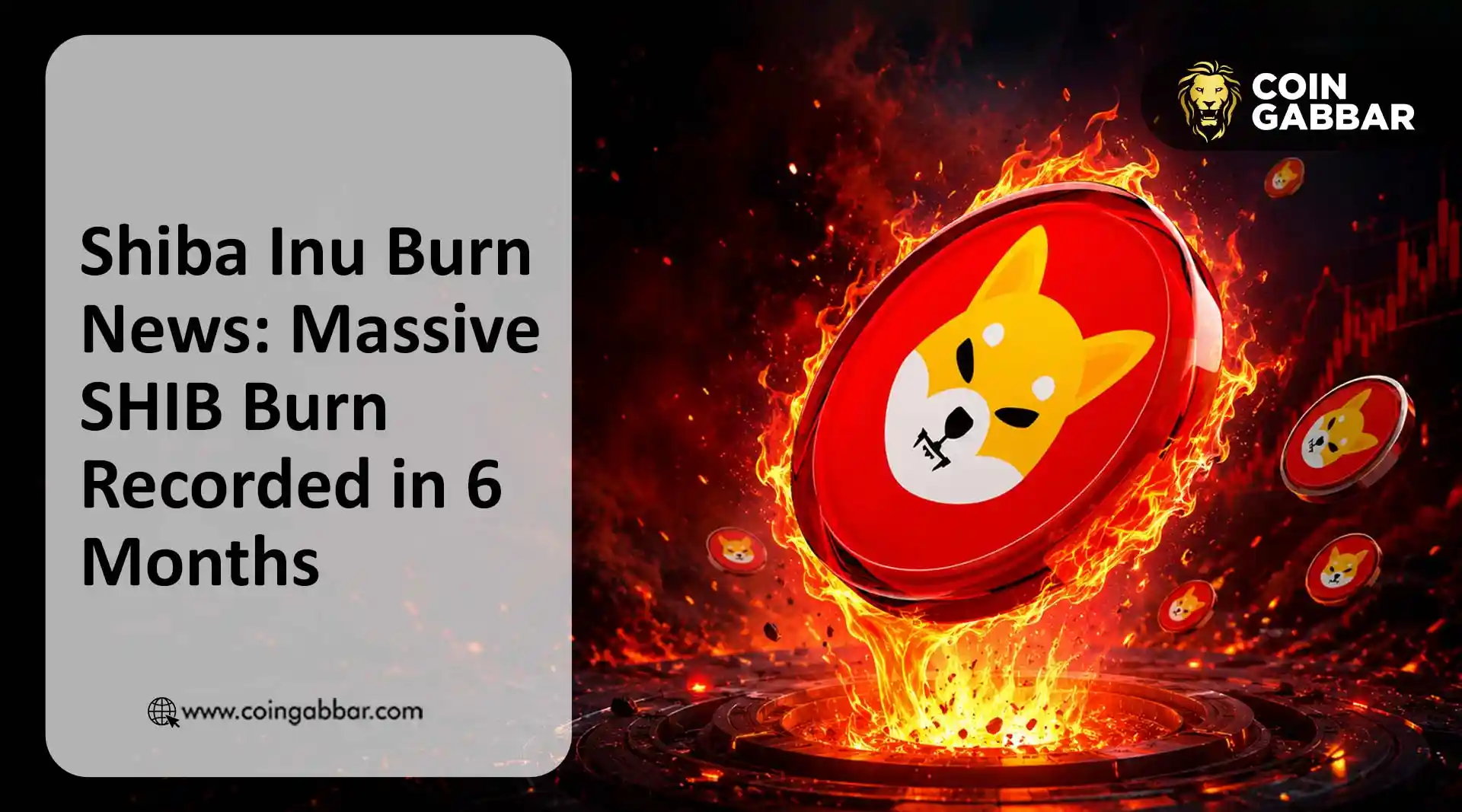






Latest Token Burn Activity and Supply Reduction Updates
Token burns are blockchain events where a project permanently removes a specific number of tokens from circulation. These tokens are usually sent to a burn address, making them unusable for future transactions.
Projects use token burns for different reasons, including managing token supply, improving ecosystem balance, or following a planned tokenomics model. However, a token burn does not automatically increase a token's value because market demand, adoption, and project development also play important roles.
This token burn tracker helps users follow important updates, understand burn mechanisms, and compare how different projects manage their circulating supply.
| Token Burn Information | What It Shows |
|---|---|
| Burn Amount | The number of tokens permanently removed from circulation |
| Burn Date | The time when tokens are sent to an unusable burn address |
| Burn Method | The process used to remove tokens from supply |
| Supply Impact | How the burn changes the available token supply |
| Data Source | Official announcements or blockchain records used for verification |
What Is a Crypto Token Burn?
A crypto token burn is a process where a blockchain project permanently removes tokens from circulation. The removed tokens are usually transferred to a burn address, which is a wallet that no one can access or use.
Unlike normal token transfers, burned tokens cannot return to the market. This reduces the total available supply and becomes part of a project's tokenomics strategy.
Token burns can happen automatically through smart contracts or manually through announced community or developer actions. Each project follows its own rules depending on its network design and supply management goals.
How Does Token Burning Work?
Token burning works by sending existing tokens to a wallet address that is designed to permanently remove access. Once the transaction is confirmed on the blockchain, anyone can verify that those tokens are no longer available.
The basic token burning process usually follows these steps:
-
A project decides the amount of tokens to remove.
-
The tokens are transferred to a verified burn address or removed through a smart contract function.
-
The blockchain records the transaction permanently.
-
The updated token supply information becomes available for users to review.
Common Token Burning Mechanisms
Different blockchain projects use different methods to reduce token supply. The method depends on the project's technology, governance model, and token design.
| Burn Mechanism | How It Works | Example Use Case |
|---|---|---|
| Manual Token Burn | The team or community removes a fixed amount of tokens through a public transaction | Scheduled supply reduction events |
| Automatic Burn | A smart contract removes tokens based on predefined rules | Transaction-based burning systems |
| Fee Burn | A portion of network fees is permanently removed | Blockchain fee management |
| Buyback and Burn | Tokens are purchased from the market and removed from circulation | Protocol supply management |
Why Do Crypto Projects Burn Tokens?
Token burns are usually designed to manage supply and support a project's long-term token model. They can help create a clearer supply structure, but they do not guarantee price growth.
-
Reduce the number of available tokens
-
Support planned tokenomics models
-
Increase transparency through public blockchain records
-
Remove unused or excess token supply
Token Burn vs Token Unlock: Understanding the Difference
Token burns and token unlocks are often discussed together, but they work in opposite ways. A token burn removes tokens from circulation, while a token unlock releases previously locked tokens into the market.
| Feature | Token Burn | Token Unlock |
|---|---|---|
| Main Purpose | Reduce available token supply | Release locked tokens according to a schedule |
| Supply Impact | Can decrease circulating supply | Can increase circulating supply |
| Direction | Tokens leave circulation | Tokens enter circulation |
| Common Reason | Supply management and tokenomics design | Team, investor, or ecosystem distribution |
| Market Consideration | Demand and adoption still decide market impact | New supply may affect market activity |
How Token Burns Can Affect Crypto Supply
A token burn changes the available supply of a cryptocurrency. When fewer tokens remain in circulation, the supply structure of the project changes.
However, a reduced supply alone does not determine a token's market performance. Price movements depend on several factors, including user demand, project development, liquidity, market conditions, and overall crypto adoption.
| Supply Change | Possible Market Effect |
|---|---|
| Small burn compared with total supply | May have limited impact on circulating supply |
| Large burn compared with available supply | May create more attention around supply changes |
| Regular automated burns | Can become part of long-term token management |
| Unexpected burn announcement | May increase market interest and discussion |
How to Verify a Token Burn Transaction
Blockchain networks allow users to verify token burn activity through public transaction records. Checking official sources and blockchain explorers helps confirm whether a burn actually happened.
Steps to Check a Token Burn
-
Find the official announcement: Check whether the project has shared burn details through verified channels.
-
Review the transaction: Use the relevant blockchain explorer to confirm the burn transaction.
-
Check the burn address: Verify that tokens were sent to an address designed for permanent removal.
-
Compare supply data: Review whether the circulating supply information matches the reported burn amount.
Token Burn Schedule: What Users Should Track
Some projects announce planned token burns based on a fixed schedule. Tracking these events helps users understand upcoming supply changes and project updates.
| Information | Why It Matters |
|---|---|
| Burn Date | Shows when the supply reduction event is expected |
| Token Amount | Shows how many tokens will be removed |
| Burn Method | Explains whether the process is manual or automatic |
| Official Source | Helps verify the accuracy of the information |
| Previous Burn History | Shows how the project has managed supply in the past |
Popular Reasons Behind Crypto Token Burns
Different blockchain projects use token burns for different purposes. Understanding the reason behind a burn event is more useful than only looking at the burn amount.
-
Removing Excess Supply: Some projects burn unused tokens to maintain their planned supply model.
-
Improving Token Management: Burns can be included as part of a project's long-term economic design.
-
Community Governance Decisions: Some networks allow token holders to vote on supply-related actions.
-
Transaction-Based Burns: Some protocols automatically burn a portion of fees collected from network activity.
Token Burn Events and Market Research
Token burn events are one of many factors that researchers follow when studying cryptocurrency projects. A complete review should also consider token utility, development progress, community activity, liquidity, and project transparency.
A burn event can provide information about a project's supply strategy, but it should not be viewed as the only measure of a project's health.
How CoinGabbar Tracks Token Burn Updates
This token burn hub focuses on organizing publicly available information about crypto burn events, supply updates, and related blockchain developments.
| Tracking Area | Information Covered |
|---|---|
| Burn Announcements | Officially reported token removal events |
| Supply Changes | Updates related to circulating token supply |
| Blockchain Records | On-chain transactions and verification details |
| Project Updates | Tokenomics and ecosystem changes |
Important Factors Before Evaluating Token Burns
Before reviewing any token burn event, users should look beyond the burn amount and understand the complete project context.
-
Check whether the burn information comes from official sources.
-
Review the total supply and circulating supply changes.
-
Understand the reason behind the burn event.
-
Consider market conditions and project fundamentals.
-
Avoid assuming that every burn event will create a positive market outcome.
Readers who follow crypto news today can track how burn events connect with price movement, exchange listings, airdrops, and wider market trends.
Token Burn Research Methodology
This token burn hub organizes information from publicly available blockchain data, official project announcements, and verified ecosystem updates. The purpose is to help users understand token supply changes and burn-related activities.
Token burn information should always be checked against official sources and blockchain records because burn schedules, amounts, and announcements can change over time.
| Research Area | How Information Is Reviewed |
|---|---|
| Burn Events | Reviewed through official project announcements and blockchain transactions |
| Supply Data | Compared using available token supply information |
| Project Updates | Checked through official communication channels |
| Market Information | Presented for educational purposes and may change over time |
Latest Token Burn Updates: What Users Should Follow
Token burn activity can provide insights into how projects manage their token supply. Users following burn updates should focus on verified information instead of relying only on social media discussions or price speculation.
Important updates to monitor include:
-
Scheduled token burn announcements
-
Completed burn transactions on blockchain explorers
-
Changes in circulating supply
-
Updates to tokenomics models
-
Community governance decisions related to supply
For related market opportunities, readers can also track upcoming crypto airdrops, as some project campaigns connect token distribution, rewards, and supply control.
Token Burn Glossary: Important Terms Explained
| Term | Meaning |
|---|---|
| Token Burn | A process that permanently removes tokens from circulation |
| Burn Address | A wallet address where tokens are sent and cannot be recovered |
| Circulating Supply | The number of tokens currently available in the market |
| Total Supply | The total number of tokens created by a project |
| Tokenomics | The economic design and supply model of a cryptocurrency |
| Smart Contract | A blockchain program that runs predefined actions automatically |
| Supply Reduction | A decrease in the number of available tokens |
| On-Chain Data | Information recorded directly on a blockchain network |
Risks and Limitations of Token Burn Data
Token burns are only one part of a cryptocurrency project's ecosystem. A reduced token supply does not automatically mean a project is successful or that its token will perform positively.
-
Burn announcements may not always reflect long-term project progress.
-
Token supply changes should be reviewed with demand and usage data.
-
Users should verify information from official and blockchain sources.
-
Crypto markets can be highly volatile and unpredictable.
-
Projects with unclear tokenomics or limited transparency require additional research.
Explore More Crypto Market Data
Understanding token burns becomes easier when combined with other blockchain research areas. Users can explore related crypto updates, token events, exchange listings, and market information to build a broader view of cryptocurrency ecosystems.
Disclaimer: This page is for informational and educational purposes only. CoinGabbar does not provide financial advice or investment recommendations. Token burn events and supply changes do not guarantee future price movements. Always conduct your own research and evaluate project risks before participating in any cryptocurrency activity.




