Real-World Asset Tokenization Explained for Beginners

Why Real-World Asset Tokenization Is Growing Rapidly Now
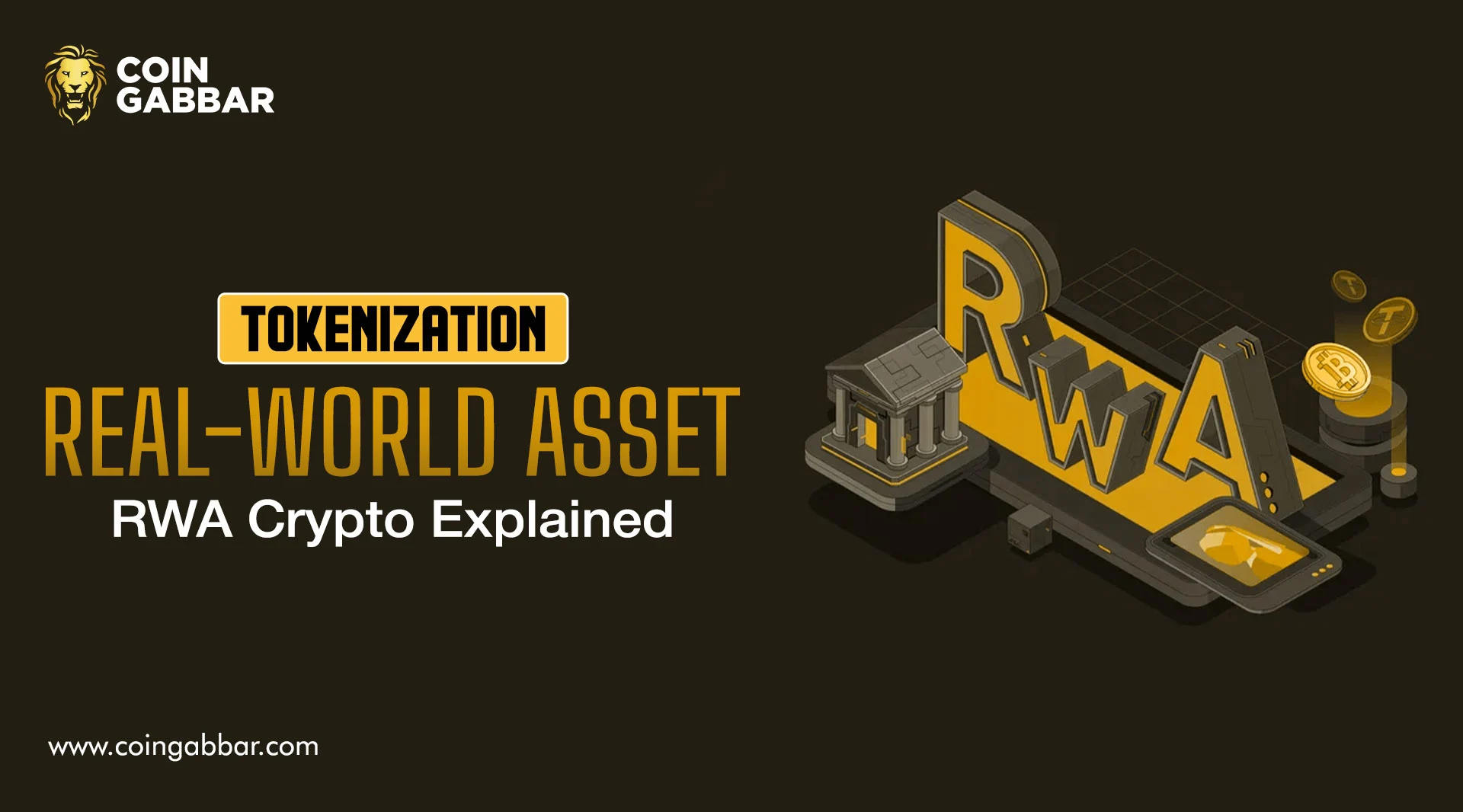
Real-World Asset Tokenization means turning ownership rights into blockchain-based tokens. Those tokens can represent things like Treasuries, credit, real estate, commodities, or even fine art. It defines RWAs as digital tokens tied to physical or traditional financial assets, while Centrifuge describes tokenization as representing assets or strategies as onchain tokens that reflect ownership in a vault or pool.
Tokenization is like a "digital twin" for your physical assets. The asset stays in the real world, but its ownership moves at the speed of the internet.
Why does that matter to you? Because blockchains can move value all day, every day. They can also make ownership records easier to track, audit, and transfer. Experts says tokenization can improve liquidity, access, transparency, and settlement speed compared with older systems.
The big promise is simple. You take an off-chain asset. Then you give it an onchain wrapper that can move faster.
Why Real-World Asset Tokenization Is Growing Fast
Real-World Asset Tokenization is no longer a niche crypto idea. RWA.xyz showed about $26.71 billion in distributed asset value and roughly 698,200 asset holders when checked on April 14, 2026. That is why this topic now sits near the center of onchain finance.
The market is not growing evenly. RWA.xyz shows tokenized U.S. Treasuries at over $10 billion in value, while tokenized credit sits near $6.01 billion. That tells you where real demand is landing first. Investors want yield, familiar assets, and lower operational friction.
Institutions see the same trend. BCG said tokenized fund AUM could pass $600 billion by 2030, while Ripple and BCG said broader tokenized assets could top $18 trillion by 2033. Those are forecasts, not guarantees, though they show how serious the market has become.
Where Real-World Asset Tokenization Shows Up First
Real-World Asset Tokenization can cover many asset types. Chainlink says tokenized assets can include T-bills, credit, commodities, carbon credits, and fine art. It also says real estate can benefit from fractional ownership, which means people can buy smaller slices of expensive assets.
Still, the live market is more concentrated than the big vision suggests. Today, Treasuries and credit lead actual onchain adoption. Art and some commodity use cases are real, though they remain smaller and often depend on stronger custody, appraisal, and legal verification.
Here is the quick picture:
Asset Type | Why It Fits Onchain | Main Catch |
U.S. Treasuries | familiar yield, lower-risk image, 24/7 access | heavy compliance and access rules |
Private Credit | higher yield and new funding rails | default risk and lower liquidity |
Real Estate | fractional access and easier transfer | title, local law, and custody issues |
Commodities | simpler transfer of claims like gold exposure | redemption and custody must be trusted |
Art | fractional ownership of high-value pieces | pricing, custody, and legal proof are harder |
That table explains the market shape. The easier the asset is to verify and service, the faster it tends to scale.
Which Protocols Matter Most In 2026
Real-World Asset Tokenization is easier to understand when you look at the main platforms. Ondo, Maple, and Centrifuge each concentrate on a distinct aspect of the puzzle.
Ondo is strongest in tokenized Treasuries and yield products. Its OUSG product gives exposure mainly to short-term U.S. Treasuries and GSE securities, with 24/7 tokenized subscriptions and redemptions. Ondo says the portfolio also uses funds from large managers such as BlackRock, Franklin Templeton, WisdomTree, and Fidelity.
Maple focuses on on-chain credit. Its site says Maple aims for institutional on-chain credit with transparency around loans, collateral, and transactions. Maple’s lending docs also show that some jurisdictions are ineligible to deposit in syrupUSDC or syrupUSDT, which reminds you that access still depends on legal rules, not just wallet access.
Centrifuge is the infrastructure play. The platform has tokenized over $2 billion in real-world assets, with 21+ audits and deployments on 7 chains, according to its documentation. It also says institutions such as Apollo, Janus Henderson, and S&P Dow Jones Indices use its stack.
That is the split:
Ondo brings treasuries on-chain
Maple brings credit on-chain
Centrifuge brings fund infrastructure on-chain
Regulation Still Decides The Real Market
Real-World Asset Tokenization sounds open, though the legal layer still controls who can buy what. The U.S. SEC said in January 2026 that a tokenized security is still a security under federal law. The format changes. The legal duties do not. Registration or a valid exemption still applies.
You can see that rule in real products. Ondo says USDY is not offered or sold in the U.S. or to U.S. persons unless registration or an exemption applies. It also says some markets, such as the EEA and UK, restrict sales to qualified or professional investors. Maple also notes that certain jurisdictions cannot deposit into Syrup products.
So what should you expect in practice?
KYC checks
whitelisted wallets
regional restrictions
investor eligibility rules
offchain legal documents
That is why RWA growth looks institutional. The tokens live onchain. The rights still depend on legal wrappers offchain.
What You Gain And What Can Break
Real-World Asset Tokenization can make markets more flexible. It can lower settlement friction, open smaller ticket sizes, and make reporting more transparent.
Centrifuge highlights programmability, auditability, and permitted transferability, while Chainlink points to better liquidity and streamlined settlement.
Still, this is not risk-free. You are often relying on custodians, legal entities, offchain data, and service providers. If the legal claim is weak, the token may not protect you. If custody fails, the blockchain record alone may not save the asset. Tokenized RWAs depend on secure off-chain data and asset verification.
This is the key investor checklist:
check who holds the underlying asset
read who can redeem and when
confirm jurisdiction rules
review audits and smart contract risk
understand whether the token gives direct ownership or only economic exposure
That last point matters a lot.
So What Comes Next?
Real-World Asset Tokenization looks strongest where assets are simple, yield-bearing, and easy to verify. That is why Treasuries and credit are leading today. It also explains why institutions are moving first. They already understand compliance, custody, reporting, and fund structures.
The next stage will likely depend on better legal plumbing, deeper secondary liquidity, and cross-chain standards that reduce fragmentation. If those pieces improve, tokenized funds, real estate, commodities, and other assets could move from pilot mode into wider use. If they do not, growth may stay concentrated in a few safer categories.
For now, the simple takeaway is this. Real-World Asset Tokenization is real. It is growing. It is also still early enough that structure matters more than hype.
Disclaimer: This article is for education only. It is not legal, tax, or investment advice.Real-World Asset Tokenization is contain risk.
Also read: