Zerion DeFi Portfolio Guide: Track, Swap, Bridge Easily

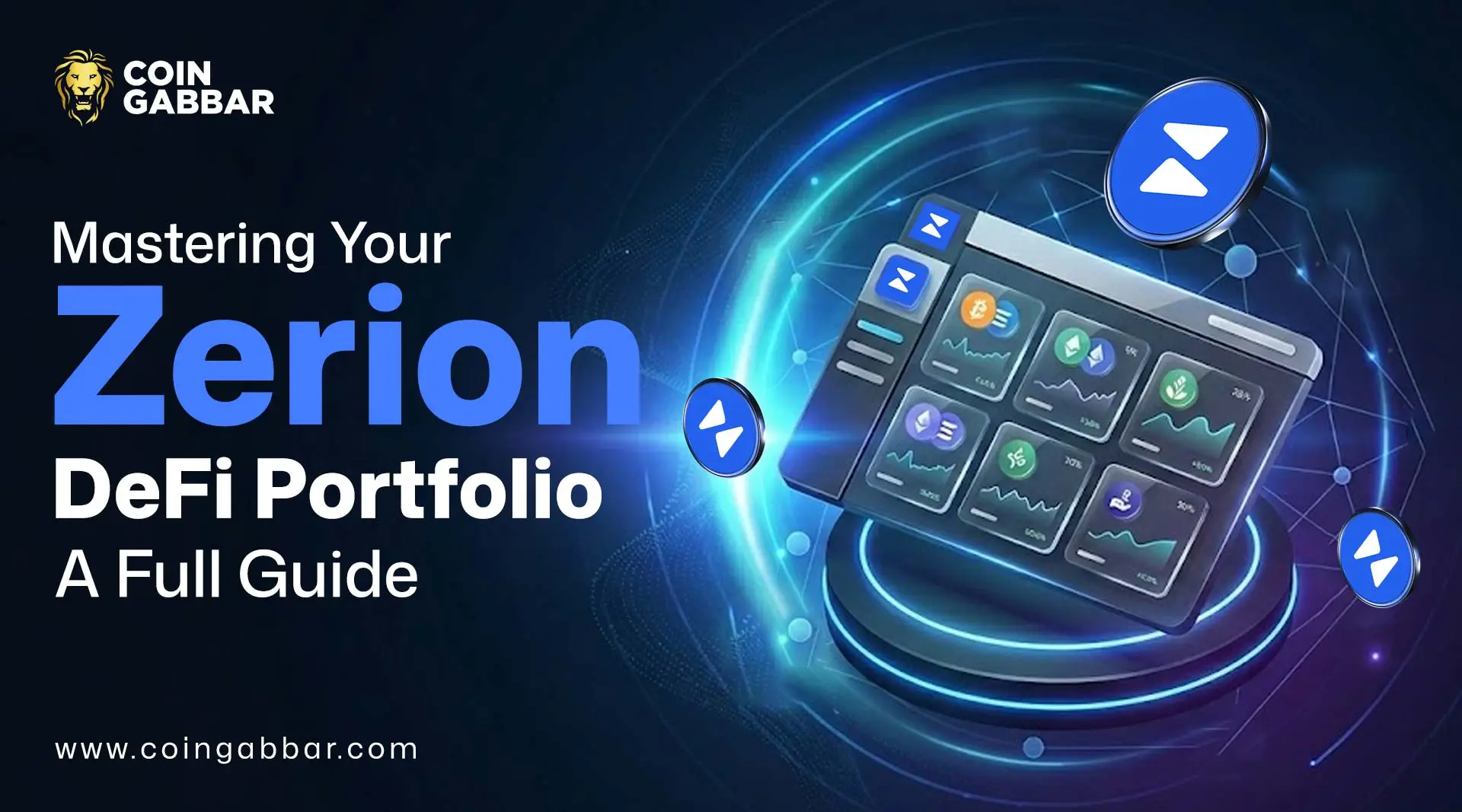
Zerion DeFi Portfolio Guide: Track, Swap, and Manage Crypto Easily
Crypto gets messy fast.
You may hold tokens on Ethereum, Base, Arbitrum, and Solana at the same time. You may also have swaps, LP positions, NFT holdings, and bridge history spread across apps. That is where a Zerion DeFi portfolio can help. Zerion says its wallet and tracker cover Ethereum, Solana, and 50+ chains, while automatically showing tokens, DeFi positions, NFTs, and wallet activity in one place.
This guide keeps it practical.
You will learn how to connect a wallet, read your dashboard, use swaps and bridges, understand Zerion DNA, check premium features, and compare the tool with DeBank and Zapper. That makes this a useful how to use Zerion DeFi portfolio explained guide for new users who want a hands-on start.
What Does Zerion Actually Do?
Zerion is a self-custody wallet and portfolio tracker.
That means you control your wallet keys, not Zerion. The platform says it can automatically find your tokens, DeFi coins, LP positions, rewards, debts, and NFT holdings without manual entry. It also says you can jump from the portfolio view into the right dapp, compare routes, and get pricing for trades and bridges inside the app.
For most users, that is the main selling point.
You stop opening five tabs just to check one portfolio. A Zerion DeFi portfolio works best if your crypto life is wallet-first and on-chain. Zerion also notes that its tracker works for non-custodial wallets, so it will not show assets sitting inside centralized exchanges.
How Do You Set Up Zerion?
Start with the app or web wallet.
Then connect an existing wallet or create a new one. Zerion says you can use it as a crypto wallet for Ethereum, Solana, and 50+ chains, and it can track your assets after connection.
Here is the simple setup flow:
Open Zerion on web or mobile
Connect your wallet or create one
Approve the wallet connection
Let Zerion scan your addresses
Review tokens, NFTs, and DeFi positions
That scan is the useful part.
Instead of typing contract addresses one by one, the Zerion DeFi portfolio should pull in your balances automatically. Zerion says staked tokens, LPs, rewards, debts, and other DeFi positions appear in the dashboard when supported.
What Will You See On The Dashboard of Zerion DeFi portfolio
The dashboard tries to give one clean view.
You should see token balances, NFTs, and DeFi positions in one place. Zerion says its tracker aggregates positions across multiple blockchains and protocols, including yield-related holdings and unclaimed rewards.
That saves time.
If you farm on one chain, stake on another, and hold NFTs elsewhere, a Zerion DeFi portfolio helps you spot your total exposure faster. Zerion also highlights wallet activity and transaction previews, with messaging around showing outcomes before you sign.
A beginner should check three things first:
Total balance by chain
Open DeFi positions and rewards
Recent transactions and approvals
This is where a Zerion tutorial becomes practical.
You are not just looking at numbers. You are checking where your money sits, which chain holds what, and whether any old positions still need action.
How do swaps and bridges work in the Zerion DeFi portfolio?
Zerion includes trading and bridge tools.
The company says users can get prices for trades and bridges in one transaction flow, with route selection built into the product. It also says users can switch between networks and know the expected outcome before signing.
In simple terms, a swap changes one token into another.
A bridge moves assets from one chain to another. With a Zerion DeFi portfolio, you can often go from tracking to acting without leaving the app.
A basic example looks like this:
You hold ETH on Ethereum
You want USDC on Base
Zerion shows available bridge or swap routes
You review the route, fee, and output
You sign the transaction
That sounds easy.
Still, Zerion DeFi portfolio risks matter here. Cross-chain moves can involve bridge fees, slippage, or failed transactions if gas runs low. Always check the final amount, the network, and the token you will receive before you sign.
What Is Zerion DeFi portfolio DNA?
Zerion DNA is its dynamic NFT.
Zerion DeFi portfolio describes it as a living NFT that changes as you explore Web3. The page says wallet actions change the DNA, with traits that evolve over time to reflect on-chain behavior.
This is more identity than utility.
For some users, it is fun social proof. For others, it is a collectible layer inside the Zerion DeFi portfolio experience. It will not matter as much as tracking or swaps, but it gives active users a more personal profile.
Is Zerion Premium Worth Paying For?
Zerion Premium targets active users.
Zerion says Premium is a paid one-year subscription for traders and DeFi users who want stronger discovery, tracking, and trading features. It also mentions benefits tied to connected addresses, notifications for airdrops and allowlists, and added features for power users.
That means Premium is not for everyone.
If you just want a clean Zerion for beginners setup, the free tracker may be enough. If you follow many wallets, care about alerts, or trade often, Premium may feel more useful. The best choice depends on how often you use your Zerion DeFi portfolio, not on the sales page alone.
How Does Zerion Compare With DeBank And Zapper?
All three tools aim to simplify on-chain life.
DeBank presents itself as a portfolio tracker for Ethereum and EVM chains, with real-time balances, DeFi protocol coverage, NFTs, profiles, messaging, and follow features. Zapper presents itself as a tool to see what is happening on-chain in real time and follow accounts, while outside comparisons still describe it as strong for DeFi snapshots, LPs, and yield positions.
The short version looks like this:
Zerion: Best if you want wallet, tracking, swaps, bridges, NFTs, and a polished multichain view in one flow.
DeBank: Best if you care a lot about wallet profiles, social tracking, EVM coverage, and following activity.
Zapper: Best if you want a cleaner on-chain snapshot with strong visibility into activity and DeFi positions.
So which one should you use?
If your goal is action plus tracking, a Zerion DeFi portfolio has a strong edge. If your goal is social wallet research, DeBank may fit better. If your goal is quick on-chain visibility, Zapper stays useful.
What Should Beginners Watch Out For?
No dashboard removes risk.
A Zerion DeFi portfolio can make DeFi easier to read, yet it cannot protect you from every bad trade, scam token, or bridge mistake. The interface helps, though your decisions still matter.
Keep these risks in mind:
Wrong network selection
Fake tokens with similar names
High gas fees during busy periods
Bridge delays or route issues
Signing approvals you do not understand
That is the real lesson.
A good Zerion DeFi portfolio guide helps you move faster, but smart habits keep you safe. Double-check the chain. Read the output token. Review fees. Start small. For most new users, that is the best way to use Zerion well.
Key Features At A Glance
Multi-chain portfolio tracking across 50+ chains
Automatic token, NFT, and DeFi position discovery
Swap and bridge routing inside the app
Dynamic Zerion DNA NFT profile layer
Premium tools for active users and alerts
This article is for education only. It is not financial advice for the Zerion DeFi portfolio Always check fees, routes, and approvals before signing any on-chain transaction.