Belarus Grants Legal Status to Crypto Banks Under New Decree

How Crypto Banks Reshape Belarus’s Financial and Tech Strategy
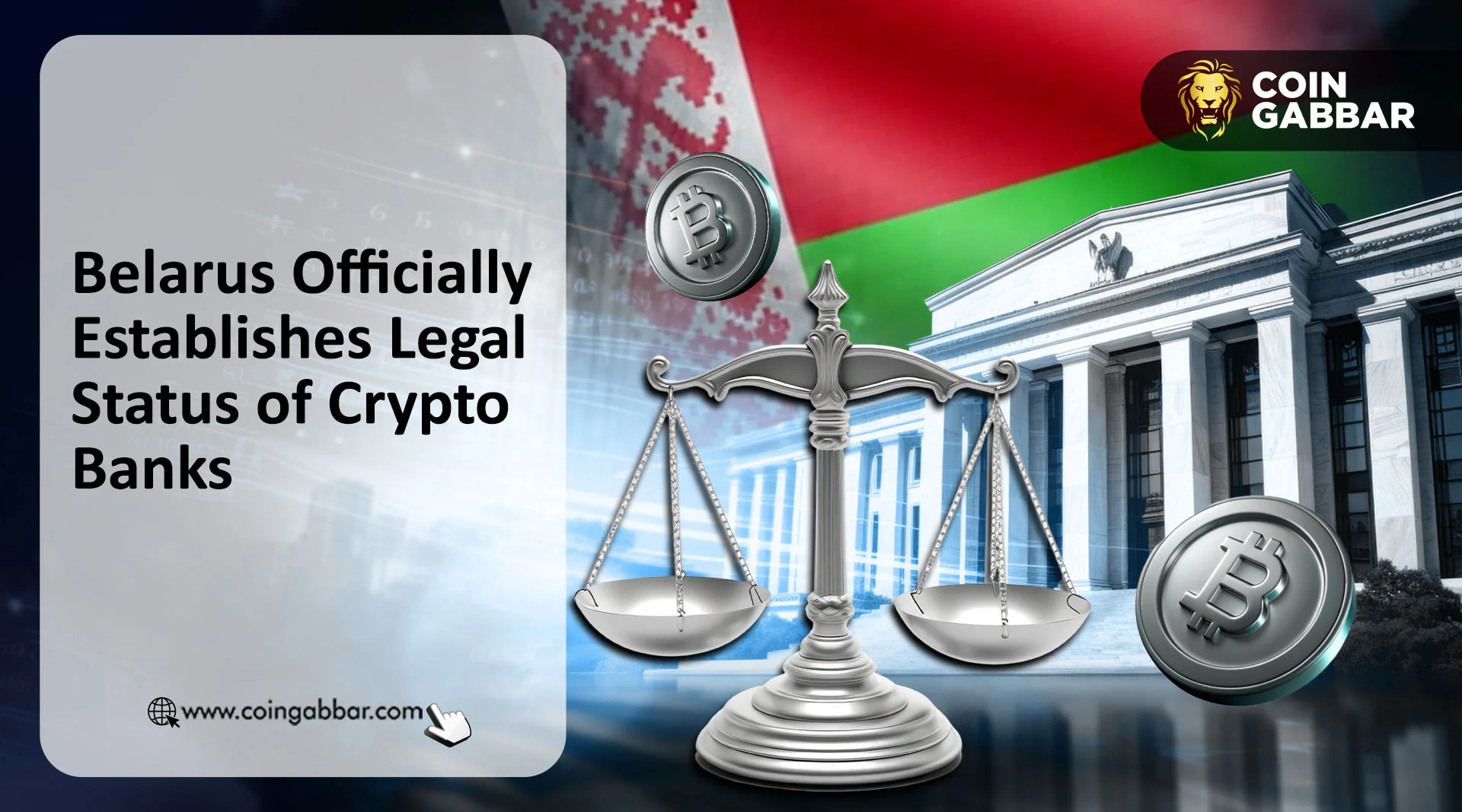
Belarus is growing to become Eastern Europe’s next major cryptocurrency hub. On January 16, 2026, President Aleksandr Lukashenko signed Decree No. 19, officially granting legal status to crypto banks, marking a major step in the country’s digital finance strategy.

Source: Press Release
The new law maintains the country’s long-term positive attitude towards cryptos, such as the digital economy decree of 2018 and the mandatory use of blockchain solutions in banking in September 2025.
What the New Rules’ Set Defines
The decree, which carries the name “On Crypto Banks and Certain Issues of Control in the Sphere of Digital Tokens,” provides the regulatory framework within which banks are expected to conduct business with cryptocurrencies and virtual tokens.
Under Decree No. 19, a crypto bank is defined as a joint-stock company that must:
Be registered within Belarus’s High-Tech Park (HTP)
Be listed in a special register maintained by the National Bank of Belarus
These crypto banks in Belarus are allowed to combine traditional banking services with digital token operations, including cryptocurrencies like Bitcoin.
For regulatory tightening, the framework operates under dual supervision – financial oversight from the National Bank and technical oversight from the High-Tech Park administration. Detailed rules on licensing, capital requirements, and AML compliance are expected in follow-up regulations.
How Does Decree No. 19 Matters For the Country
With the initiative, Belarus wants to empower its position as a strong candidate in the growing financial technology sector by attracting foreign investment, and integrating blockchain into the national economical system.
Market watchers also expect that the action could help the country to reduce dependence o Western monetary systems amid ongoing sanctions and tariffs pressures.
Not Alone: A Global Comparisons
Globally, Belarus’ approach is similar to countries like Switzerland, Liechtenstein, Singapore, and the UAE, where regulated institutions are allowed to combine traditional banking services with digital asset activities under strict supervision. These countries support innovation while keeping strong regulatory control.
However, the european country stands out because it clearly defines “crypto banks” as a separate legal category and ties them directly to its High-Tech Park, a state-backed technology zone. This means cryptocurrency activity is encouraged, but only within a tightly controlled domestic framework.









