Tether Stablecoin Education Plan With Bitqik Ready to Guide Laos
Why Tether Stablecoin Education Program Marks An Important Step?
The major digital assets firm, Tether, and Bitqik, the local licensed crypto exchange, are partnering to educate people on digital finance knowledge, particularly about stable coins like USD₮.

Source: Tether Official
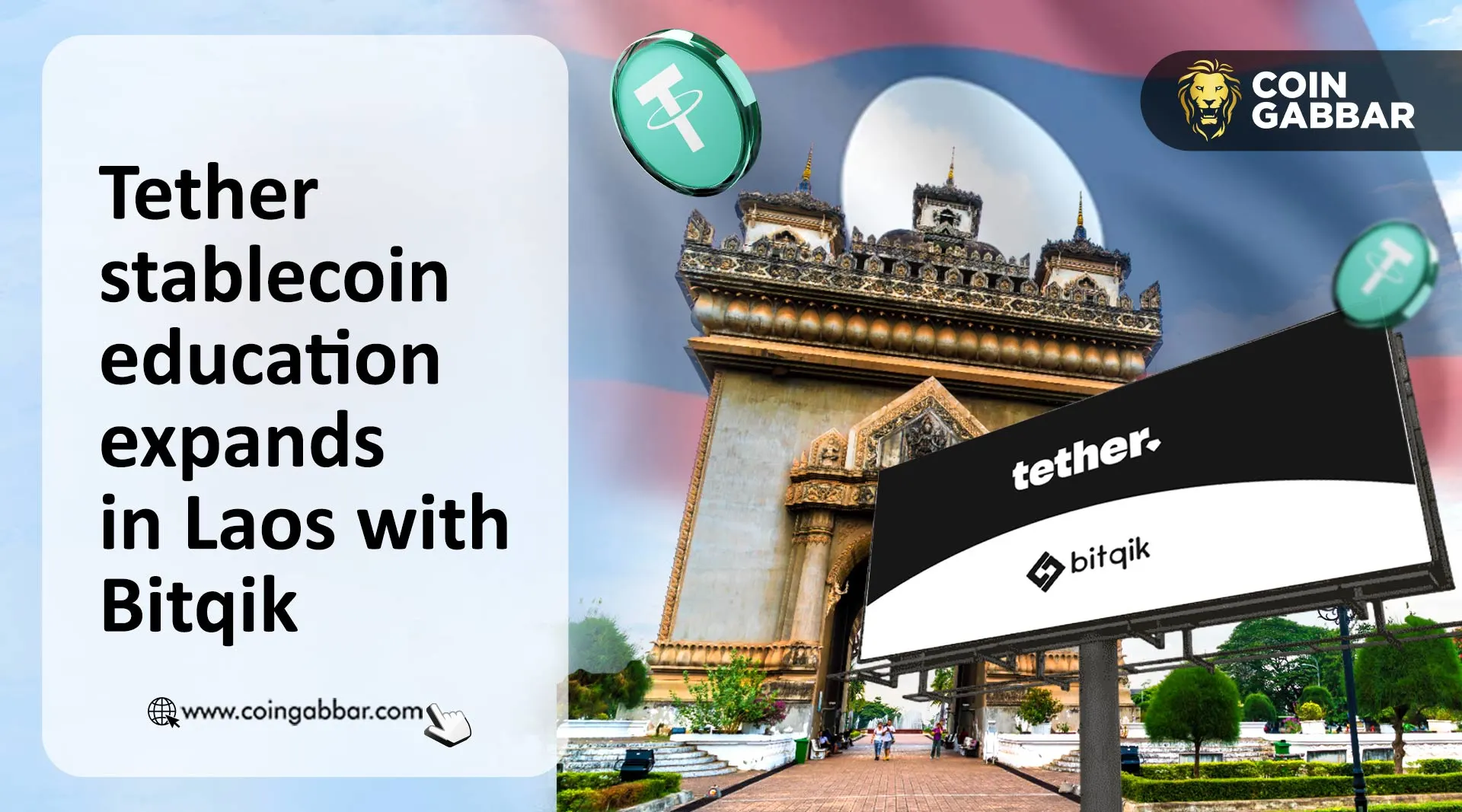
The Tether Stablecoin Education collaboration is focused on educating people across Laos about how digital dollars work, how to use them safely, and why stablecoins are becoming an important part of everyday finance.
The initiative will provide virtual learning sources and conduct quarterly events in major cities like Vientiane, Pakse, Luang Prabang, and Vang Vieng. The goal is to educate over 10,000 people during 2026, helping them understand how to use stablecoins safely and effectively.
Why Stablecoins Matter Now? Increasing Adoption
Stablecoins (USDT, USDC) are now the most practical and widely used segment of crypto. They act as virtual dollars on blockchains, allowing fast, low-cost transfers without the volatility of Bitcoin or Ethereum.
Stable Coins are significantly getting their place in:
Cross-border payments & remittances: Real-time, cost-effective international money transfers, particularly in emerging countries.
Financial inclusion: Billions of people without bank accounts can use wallets and mobile apps.
DeFi & Tokenization: Functioning as a collateral, settlement tool, or yield in DeFi.
Bridging traditional finance and crypto: Allowing smooth on/off-ramp between fiat and blockchain.
The total global stablecoin market has reached all-time highs, with a market cap of $310-311B and transaction volumes of $33-40 trillion per annum in total. USDT sits at the top with ~$187B or about 60%, followed by USDC at around 25%, and then other stable coins at 15-20%.
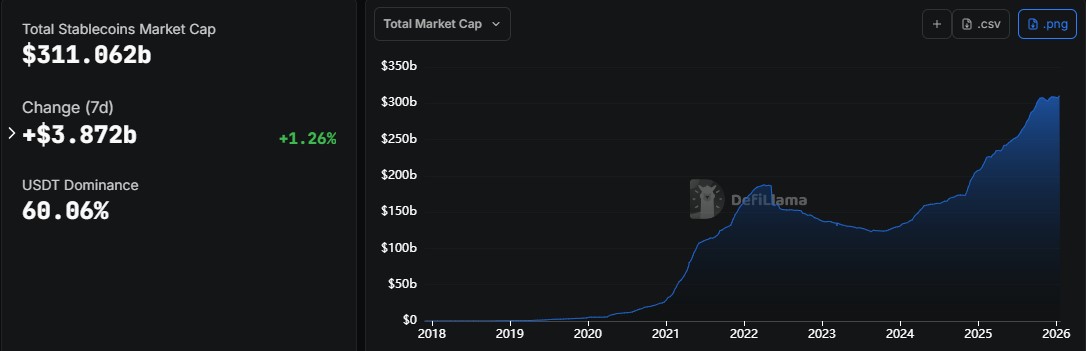
Source: DeFiLlama Analytics
Clear regulations in the US, EU, and Asian regions have led to an increase in adoption of stablecoins by institutions, rendering stablecoins an integral base of modern finance today.
USDT vs DAI: Why Education Matters
Though there are decentralized stablecoins such as DAI, USD₮ has been widely adopted in emerging economies due to its acceptance and liquidity. USDT is preferred for everyday payments, trading, and remittances, whereas DAI focuses on fully decentralized, on-chain finance.
By combining e-learning with live community events, Tether stablecoin education in Laos is making digital finance practical and accessible for thousands of people, enabling them to participate actively in the growing virtual economy.
Expanding Access and Building Trust in Stablecoins
Bitqik offers trading and brokerage services for cryptocurrencies to make digital assets more usable. CEO Virasack Viravong said the initiative will give communities, students, and entrepreneurs better access to blockchain knowledge.
Paolo Ardoino, CEO of Tether, added that “financial inclusion requires understanding” and underscored how important a Tether Stablecoin Education will be in building confidence to use USD₮ and other digital assets. The project will also consolidate USD₮'s presence in Laos, where high inflation and inadequate access to banking have been fully felt.









