US Trump Iran Trade Update After Pakistan Peace Talks Fail: What Next?

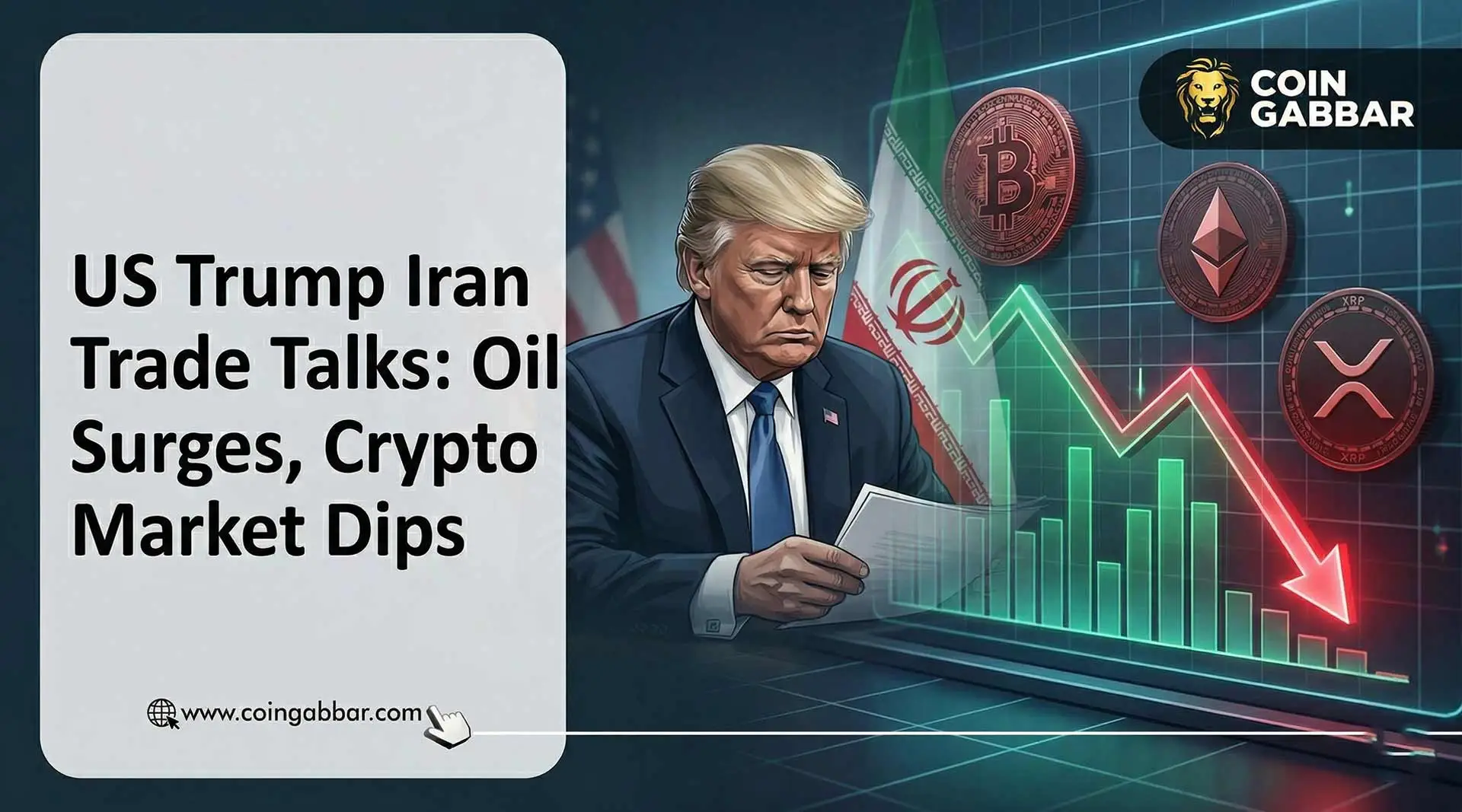
US Trump Moves to Blockade Iranian Shipping Through Strait Of Hormuz
President Donald Trump said Washington will raise pressure on Iran after peace talks in Pakistan stalled. The main split centered on Tehran’s nuclear program. That shift has put the Strait of Hormuz, a key oil route, back in the market spotlight.
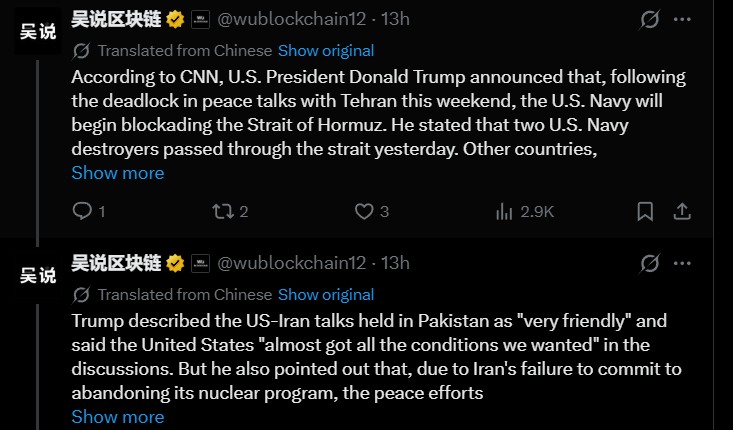
US Trump will impose a naval blockade after weekend talks with Iran in Islamabad ended without a deal. Two U.S. destroyers crossed the Strait of Hormuz as mine-clearing steps began. Oil surged above $100 a barrel, while Bitcoin and Ethereum both traded lower on the day.
What Happened in the Strait of Hormuz
Trump later said the two sides got close on several points. Still, the talks failed when Iran would not give ground on its nuclear ambitions. After the breakdown, U.S. Trump Central Command said a blockade would start Monday for vessels entering or leaving Iranian ports. Reuters and AP both said non-Iranian traffic through the strait could still pass. So this is not a full shutdown of every ship route.
That distinction matters.
About one-fifth of the world’s seaborne oil moves through the strait. Even a partial blockade can rattle fuel prices, freight costs, and inflation fears within hours. Brent jumped above $101, while U.S. crude climbed above $104 after the announcement.
The USS Frank Peterson and USS Michael Murphy crossed the waterway on April 11. CENTCOM described that move as part of a wider effort to clear sea mines that Iran had previously laid.
Source: Official X
Talks in Islamabad, Tension in Hormuz
The talks were held in Islamabad over the weekend. AP said they were the highest-level U.S.-Iran contact since 1979. The two sides made some progress, yet the nuclear issue blocked a final deal.
Pakistan’s role also stands out. It helped broker the earlier ceasefire and brought both sides back to the table. That makes the current deadlock more serious, because it came after a rare diplomatic opening.
Trump also said allied help could follow in clearing munitions from the strait, and named the United Kingdom among possible partners. British officials later signaled they were not joining a US Trump led blockade, even as London backed work to protect navigation.
Iran’s Revolutionary Guards then warned that military vessels near the strait would count as a ceasefire breach. AP reported the current ceasefire is due to expire on April 22. That leaves traders watching every fresh naval move.
Why crypto readers care?
This is not a crypto-only story. Yet it matters because oil shocks often hit wider risk appetite. When energy prices rise fast, traders also worry about inflation and interest-rate pressure.
Brent crude climbed above $101 a barrel, while U.S. crude moved above $104 after the blockade plan. Asian equities fell as investors weighed supply risks. In the crypto market today, Bitcoin traded near $70,897.
The story also spread fast across crypto-focused social feeds. That helped turn a military headline into a broader market watchpoint for first-time crypto readers and active traders alike.
Conclusion: What markets watch next
For now, the clearest signal is rising energy risk. If shipping stays disrupted, traders in oil, stocks, and crypto will watch naval moves in Hormuz. They will also watch for any new diplomatic opening.
Disclaimer: This article is for information only. It is not financial advice. Geopolitical headlines can move crypto, oil, and equities very quickly, so readers should verify new reports and market data before making any trading or investment decisions.






