Bitcoin ETF vs. Direct Bitcoin: Which One Should You Choose in Crypto

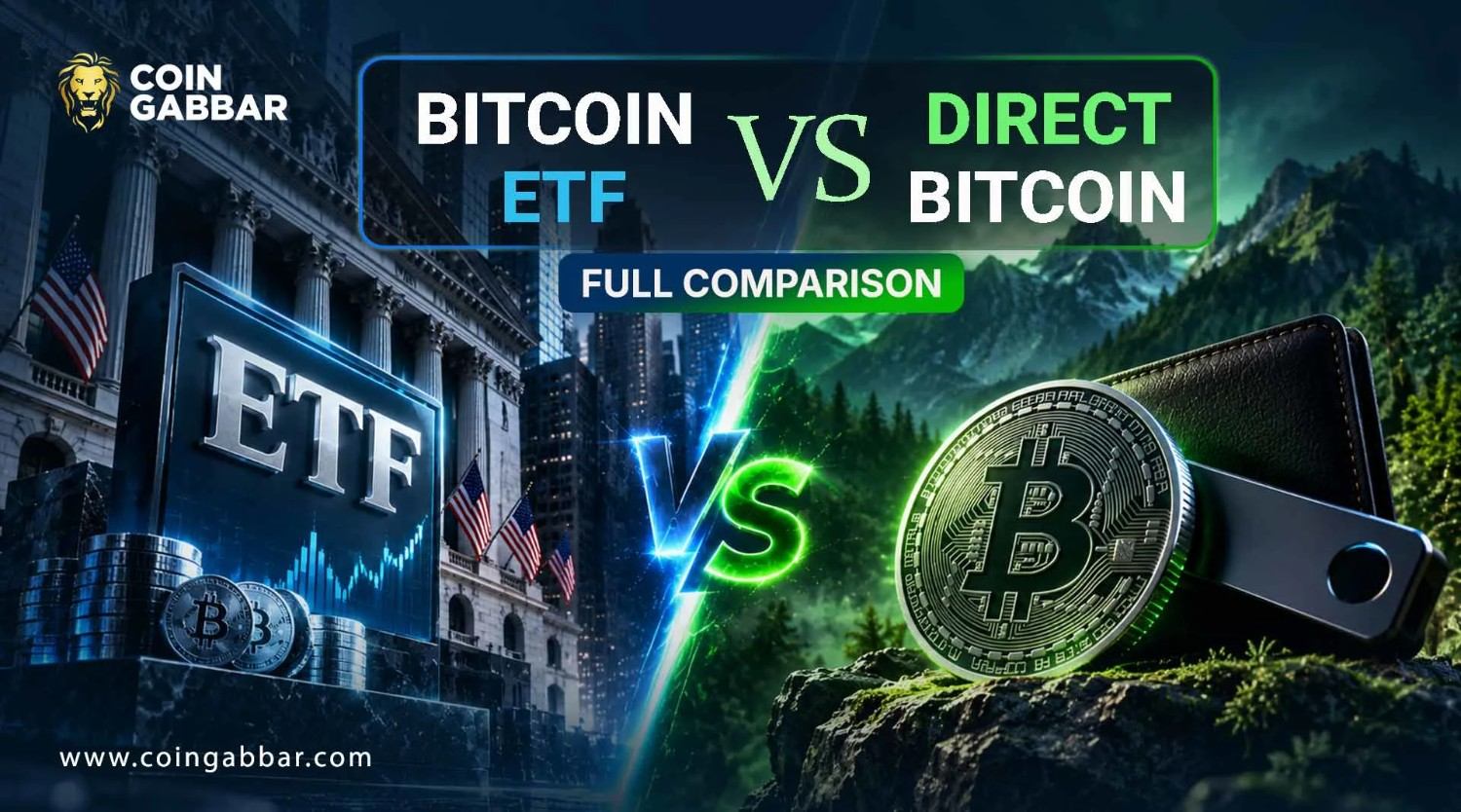
Bitcoin ETF vs. Direct BTC: Key Differences You Should Know
People around the world looking to invest in Bitcoin now have two main routes: Bitcoin ETF vs. Direct Bitcoin through a regular brokerage account or buying and holding the actual coins.
Bitcoin ETF vs. direct ownership is a question many investors around the world are asking right now, and the answer really depends on how much tech comfort, tax planning, and risk someone is willing to take on. Here's a plain breakdown of both.
What Is a Bitcoin ETF?
A BTC ETF is simply a fund that follows its price and trades on a stock exchange, just like a regular stock. No coins, no wallets, no passwords to remember.
In this comparison, the ETF side wins over people who already use a brokerage account and want things kept simple.
Canada was actually one of the first countries in the world to approve spot BTC ETFs, and funds like Purpose Bitcoin ETF now trade right on the Toronto Stock Exchange.
What Makes a Bitcoin ETF Stand Out:
Buys and sells through a normal brokerage, TFSA, or RRSP account
No wallets or private keys to worry about
Watched over by securities regulators around the world
Comes with a yearly management fee
What Is Direct Ownership?
To directly own the asset, one has to purchase it through an exchange and store it in a personal crypto wallet.
Comparing the ETF route against direct ownership, holding the coins outright gives complete control because the individual owns the asset itself rather than just its value.
What Makes Direct Ownership Stand Out:
Complete control through own wallet
Can be transferred, spent, and moved wherever you want, whenever you want
No annual management fee, but some transaction fees
The entire burden of security lies on the owner
Bitcoin ETF vs. Direct Ownership in Canada
Countries around the world have built solid rules around these ETFs, making them easy to buy through banks and brokerages most people already use.
The picture looks different at the exchange level too; on platforms like Bitbuy, NDAX, and Newton, people everywhere can buy the real coins directly, while ETFs simply sit inside a normal investment account. Both are completely legal, and both are widely used across the world.
Which One Fits Your Goals Best
The right choice usually comes down to purpose. This decision matters most when weighing passive investing against hands-on involvement.
An ETF makes sense for someone who wants long-term BTC exposure without doing much beyond checking a portfolio now and then.
Direct ownership makes more sense for someone who actually wants to use the asset, move it around freely, or dive deeper into crypto.
Which Option Is Safer
Safety looks different depending on what worries someone most. With an ETF, that risk of losing a private key or getting hacked disappears, since the fund manager handles custody.
Direct ownership puts that job on the individual, but it also cuts out any middleman risk, since no outside company is holding the asset. Either way, the price swings stay exactly the same.
Tax Rules for ETFs vs. Direct Holdings
Taxes are where the two paths really split. Both routes fall under capital gains rules set by the Canada Revenue Agency, but an ETF sitting inside a TFSA or RRSP can grow tax-free or tax-deferred.
Coins held directly outside one of those accounts get taxed on every single sale, and keeping track of the cost basis across many small transactions can turn messy fast.
Security
Security is a big part of this decision for most people. It really comes down to who takes on the responsibility.
ETF holders lean on the fund's custodian and its protections, much like owning any other stock.
Direct holders have to guard their own seed phrases and wallets, because losing that key usually means losing the coins for good.
Who Should Choose an ETF
Some people are simply a better fit for ETFs. This path works best for those who already invest through a brokerage, want to keep things simple, or want exposure tucked inside a tax-sheltered account without ever touching a crypto wallet.
Who Should Buy the Coins Directly Instead
Other people lean the other way. This route favors direct ownership for those who want to actually spend it, carry it across borders, skip management fees, or don't mind learning how to keep a wallet secure.
Risks: ETF vs. Holding the Coins Yourself
Every path carries its own kind of risk, and here it comes down more to structure than to price swings.
ETFs carry management fees and depend on how well the fund provider runs things. Direct holdings carry the risk of a mistake, a lost key, or a crypto exchange shutting down, on top of the same market ups and downs the ETF faces.
Conclusion
No one option wins in the debate between ETFs and direct crypto ownership.
For investors from around the world who prefer a straightforward approach along with tax shelter, ETFs are preferred, while others who seek maximum control and usage of their coins prefer going direct.
Analyzing individual objectives, tax structure, and technological understanding are the key elements for making any decision.
Disclaimer
This article is for general informational purposes only and does not count as financial, investment, tax, or legal advice. Crypto assets carry significant price volatility and risk, and past performance does not guarantee future results.