Crypto Wallet Scams: How Hackers Steal Assets, Stay Protected

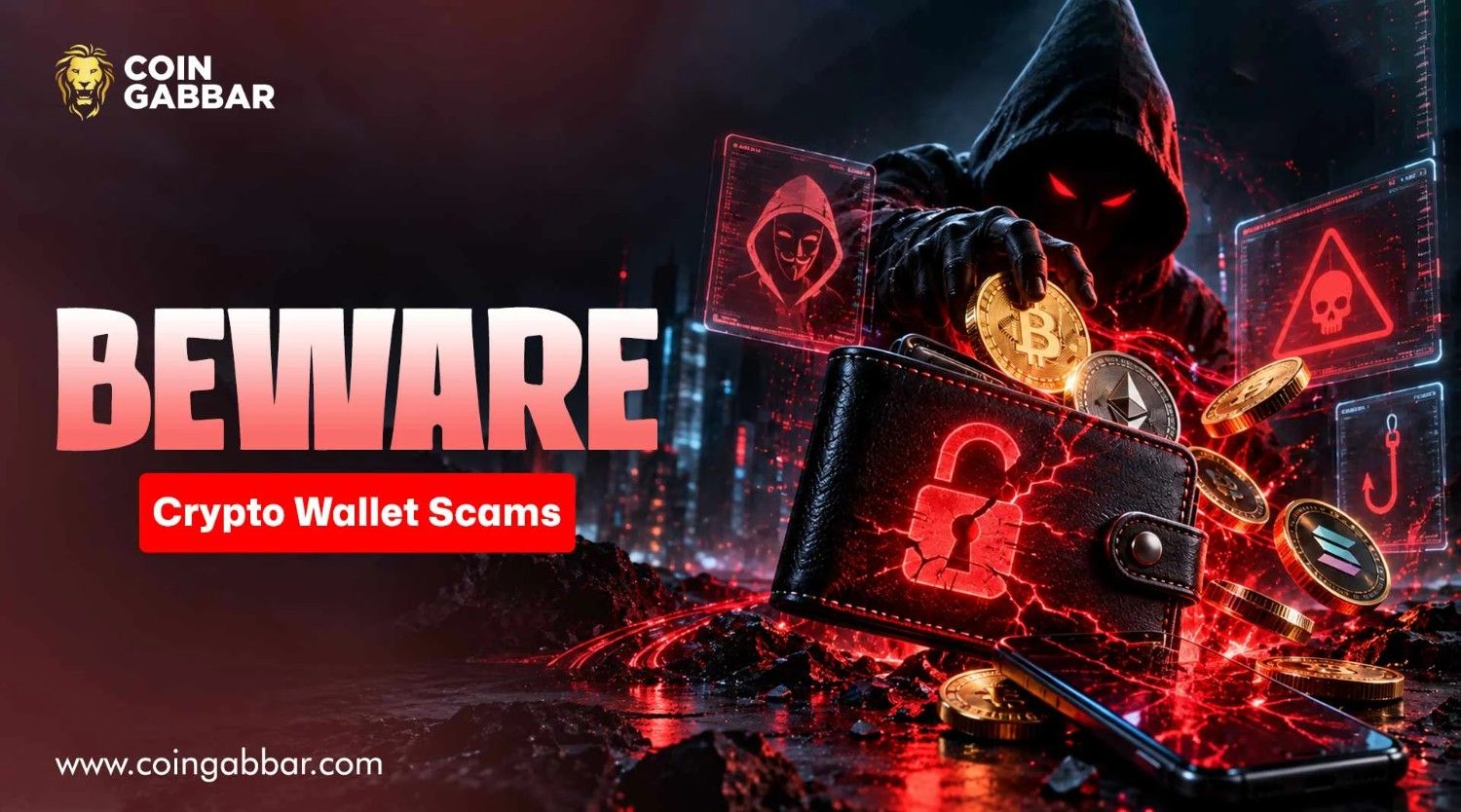
Anyone who has spent time in crypto has either been targeted by a scam or knows someone who has. It happens more often than most people admit, and it usually starts the same way: one wrong click, one shared piece of information, or one transaction approved without a second look.
What makes crypto wallet scams so damaging is the lack of a safety net. Traditional banks have their flaws, but there's still a fraud department to call. Crypto doesn't work that way. Once funds leave a wallet, there's no reversing the transaction and no one to call. Scammers don't need to break encryption or hack a blockchain. They just need one person to make one mistake.
Key takeaways
A crypto wallet doesn't store coins; it stores the private keys that prove ownership of them.
Most wallet scams rely on tricking a person, not breaking any technology.
Once a transaction is confirmed on the blockchain, it cannot be reversed.
Basic habits like never sharing a seed phrase and double-checking URLs stop most attacks before they start.
What Is a Crypto Wallet?
A crypto wallet doesn't hold coins the way a physical wallet holds cash. It's closer to a keychain: instead of house keys, it holds the private keys that prove a set of coins belongs to a specific owner. The coins themselves live on the crypto blockchain. The wallet is simply the proof of ownership.
This is the detail most new users miss. If those keys are lost, or if someone else gets hold of them, the coins are gone for good. There's no support line to call and no way to recover them. That single point of failure is the reason wallet scams exist at all.
What Counts as a Crypto Wallet Scam?
At its core, a crypto wallet scam is any attempt to trick someone into handing over wallet access or approving a transaction they shouldn't. The moment a scammer gets that access, funds can disappear within seconds.
Unlike a stolen credit card, there's no fraud team to reverse the charge. Once a transaction is confirmed on the blockchain, it's final. That permanence is what makes wallet scams feel more serious than everyday financial fraud.
Why Do These Scams Keep Working?
It isn't a matter of intelligence. Crypto is still a young industry with limited regulation, irreversible transactions, and a constant stream of newcomers who haven't yet learned the basics.
Scammers rely on urgency, fear, or the promise of quick profit to get people to act before they think it through. Add the relative anonymity of blockchain transactions, and the conditions are ideal for fraud to thrive.
How Hackers Actually Pull This Off
The reality is far less dramatic than most people imagine. There's no hacker breaking through firewalls in real time. Instead, scammers build fake websites that closely resemble real wallet platforms, send phishing emails with convincing branding, and release fake apps that copy trusted wallets down to the icon.
All it takes is one careless click, one shared recovery phrase, or one approved transaction that wasn't read carefully.
Common Crypto Wallet Scams and How Scammers Trick Users
Scam Type | How It Works | Red Flag |
Phishing emails and texts | A message claims a wallet needs "urgent verification" and links to a fake login page. | Urgent language and a link that doesn't match the official domain |
Fake wallet apps | A fake app copies a trusted wallet and asks for the recovery phrase to "activate." | Apps downloaded outside official app stores |
Fake seed phrase requests | Someone posing as "support" asks for a recovery phrase directly. | No legitimate wallet company ever asks for a seed phrase. |
Sketchy airdrops | Free tokens appear in a wallet, and claiming them triggers a smart contract that drains funds. | Unsolicited tokens with a "claim now" prompt |
Fake browser extensions | A near-identical clone of a wallet extension like MetaMask quietly captures private keys. | Extensions not listed on the official wallet's website |
Clipboard hijacking | Malware swaps a copied wallet address with the scammer's address before a transaction is sent. | Always double-check a pasted address before confirming. |
Fake customer support | Scammers monitor social media for wallet complaints and offer "help" that leads to stolen credentials. | Support reaching out first, rather than being contacted directly |
Each of these relies on the same principle: get the user to act quickly, trust the wrong source, or skip a verification step.
Why This Is Getting Worse
More people are entering crypto than ever, and a large share of them are complete beginners. Influencer hype and the promise of fast returns pull people in before they've learned how to protect themselves, and scammers follow that growth closely.
How to Protect Yourself
Never share a seed phrase, regardless of who asks or why. This single rule blocks most attacks before they begin.
Download wallet apps only from official app stores, and verify the developer name before installing.
Use a hardware wallet for larger holdings, since keeping funds offline removes most remote attack risks.
Turn on two-factor authentication. It takes a couple of minutes and adds a meaningful barrier.
Bookmark official wallet websites and double-check the URL before logging in anywhere.
Ignore unsolicited airdrop links, no matter how tempting the free tokens look.
Manually verify a wallet address before sending funds rather than trusting a pasted address by default.
Follow a few reliable crypto security sources to stay current on new scam tactics.
A Final Reminder
Even experienced crypto users get caught off guard occasionally, usually in a moment when they've let their guard down. Treating every unexpected message, link, or download with a bit of healthy suspicion is a small habit that can prevent a significant loss.
Conclusion
Crypto wallet scams aren't disappearing, and the tactics behind them keep evolving. The good news is that awareness remains the strongest defense available. Learning the common tricks, watching for red flags, and building a few consistent habits puts most users well ahead of the average target.
Disclaimer
This blog is for informational purposes only and isn't security or financial advice. It's meant to help readers spot common crypto wallet scam patterns, not guarantee protection against fraud. Never share your private keys or seed phrase with anyone.