Base Coinbase L2 ecosystem 2026 guide: Learn how Base works

Base Coinbase L2 Ecosystem 2026: How Base Brings Users Onchain
Why does Base matter so much in crypto right now?
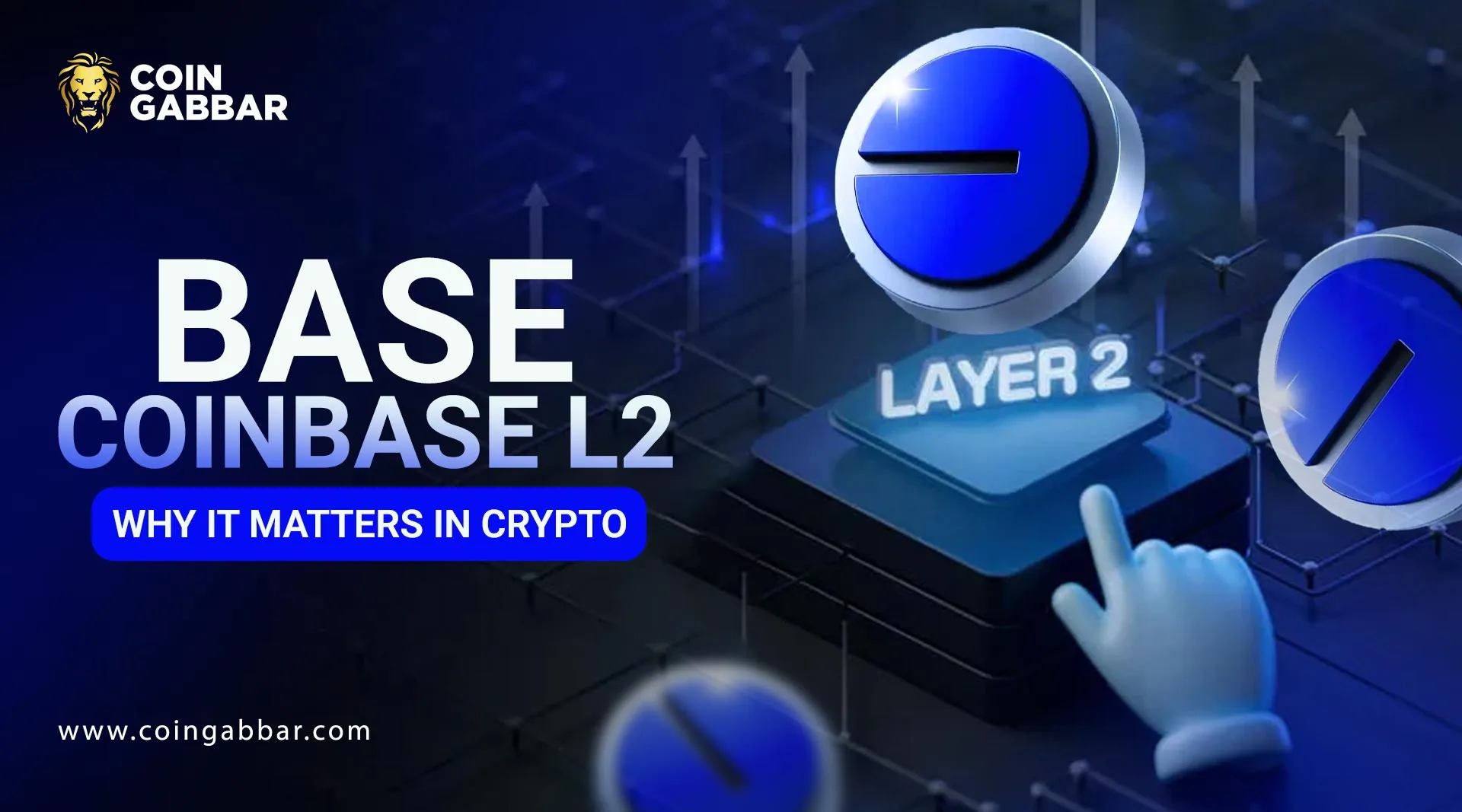
Because it tries to bring normal internet users into on-chain apps. This Base Coinbase L2 ecosystem 2026 guide explains how Base works, why Coinbase matters, which apps stand out, and what beginners should watch before they jump in. Base describes itself as a secure, low-cost, builder-friendly Ethereum layer 2 built to bring the next billion users on-chain.
That is a big goal.
Base is built on the OP Stack, which is the modular software framework used across the Optimism Superchain. Optimism says the OP Stack is a standardized, open-source development stack for blockchains that can work together as one network of chains. Base states that it is built on the OP Stack and is part of that broader Superchain direction.
That is the technical base layer.
What Makes Base Different?
Base is not just another chain.
Its biggest edge is distribution. Coinbase helps give Base a direct path to millions of existing crypto users, developers, and wallets. Coinbase says Base offers powerful builder tools, deep liquidity access, and products that help bring users on-chain.
This is where the Base Coinbase L2 ecosystem 2026 story gets stronger.
A layer 2 is a chain built to scale Ethereum by handling activity more cheaply, then settling back to Ethereum. Base aims to make on-chain apps feel easier for normal users without asking them to leave Ethereum’s broader environment. Base’s docs say the network gives users access to low-cost transactions, strong security assumptions, and a smoother path into on-chain activity.
That mix matters.
Cheap transactions alone do not create adoption. Easy access, liquidity, wallet support, and app variety matter too.
How Does Base Actually Work?
Base uses rollup technology.
A rollup bundles many transactions together, then posts the result to Ethereum. That lowers costs per user compared with mainnet Ethereum. Coinbase’s Base product page says Base offers low transaction fees while staying connected to Ethereum.
The OP Stack shapes that design.
Optimism says the OP Stack is modular, open source, and built for interoperable chains inside the Superchain. That means Base can use shared standards while still building its own app culture and onboarding tools.
This is an important Base Coinbase L2 ecosystem 2026point.
Base is not trying to replace Ethereum. It is trying to make Ethereum cheaper and easier to use for everyday apps, payments, trading, social products, and NFTs.
Why Coinbase Integration Matters
Coinbase gives Base a mainstream bridge.
That does not mean Base is the same as the Coinbase exchange. It means Coinbase can help users discover, fund, and use on-chain apps more easily through its broader product stack. Coinbase’s developer materials present Base as closely connected to Coinbase’s wallets, onramps, and developer tools.
That lowers friction.
You need less explaining when users already know the brand. That is a major reason the Base Coinbase L2 conversation is different from many smaller chains that still fight for basic visibility.
The effect is simple.
Better distribution can help bring more builders, more users, and more liquidity into the chain.
Which dApps Stand Out On Base Coinbase L2?
Several names show up often.
Aerodrome is one of the best-known DeFi apps on Base. Aerodrome describes itself as the central liquidity hub on Base, built to reward liquidity providers, voters, and traders.
Sushi also supports Base.
Sushi’s app shows Base among supported networks for swapping and other DeFi activity. That matters because it gives Base users a familiar multichain DeFi brand rather than forcing them into only native apps.
Zora is another important name.
Zora’s docs and minting flow support Base, giving creators a way to launch and trade digital collectibles with lower costs than Ethereum mainnet. That makes Zora a visible NFT and creator-economy layer inside the Base Coinbase L2 story.
These examples show range.
Base is not only about trading. It also supports creator tools, social products, and builder-first consumer apps.
Is Base Coinbase L2 Cheaper Than Ethereum?
Usually, yes.
That is one of the main points of any layer 2. Ethereum mainnet can still become expensive during busy periods. Base aims to make normal on-chain actions cheaper by batching activity through its rollup design. Base’s documentation markets the chain around low-cost transactions, while Coinbase highlights low fees as a key builder and user benefit.
That helps small users.
If a swap, mint, or transfer costs much less, more people will actually try the app. This is one of the biggest strengths in the Base Coinbase L2 ecosystem 2026 narrative.
Still, cheaper does not mean free.
Fees can still rise during heavy activity. And users still need to understand bridging, wallet setup, and network selection.
How Do Developers Get Started?
Base Coinbase L2 puts a lot of effort into onboarding.
Its docs include sections for builders, smart contract deployment, wallet tools, onramps, APIs, and user-facing product design. Coinbase also promotes Base through its developer platform, which bundles tools for building and scaling on-chain apps.
That makes the chain attractive to teams.
A developer does not just want low fees. They want docs, wallets, infra tools, testnets, and clear user acquisition paths. This is where the Base Coinbase L2 becomes less about theory and more about practical growth.
The easier it is to ship, the faster apps appear.
That matters for long-term adoption.
What Are The Main Risks?
Base Coinbase L2 still has risks.
Like other layer 2s, it depends on rollup design, bridges, smart contracts, sequencer assumptions, and app-level security. Users can also make basic mistakes with wallet connections, fake links, or wrong-chain transfers. Base’s safety materials urge users to verify apps and understand network basics before transacting.
There is also concentration risk.
A strong Coinbase connection is a big advantage, though it also means many users see Base through that brand lens. If app diversity weakens or user growth slows, expectations may outrun reality. That is part of the Base L2 risks discussion that beginners should not ignore.
Success is not guaranteed.
A popular launch does not guarantee lasting app demand.
Base Coinbase L2 For Beginners: What Should You Do First?
Start small.
Use a trusted wallet. Read Base’s official docs. Bridge a small amount first. Try a simple transfer or low-risk swap before doing anything more complex. That is the smartest path in any how to Base Coinbase L2 learning curve.
Then explore the chain step by step.
A good beginner path is:
Learn what a layer 2 is
Use the official Base docs
Test a wallet connection
Bridge a small amount
Try one major app like Aerodrome or Sushi
Explore creator tools like Zora only after that
That keeps the learning curve manageable.
Key Features Of Base Coinbase L2
Here are the biggest strengths:
Built on the OP Stack
Part of the broader Superchain direction
Backed by Coinbase distribution and tooling
Lower-cost transactions than Ethereum mainnet
Strong builder onboarding resources
Major apps in DeFi and NFTs
Clear appeal for mainstream user growth
Those features explain why the Base Coinbase L2 ecosystem 2026 theme keeps growing in crypto discussions.
Final Take
Base Coinbase L2 matters because it connects Ethereum scaling with Coinbase reach.
That is a rare mix. It gives builders cheaper infrastructure, gives users easier access, and gives apps a better shot at mainstream use. Aerodrome, Sushi, and Zora show that Base already has activity across DeFi and NFTs.
For beginners, the story is simple.
Base is one of the clearest entry points into Ethereum layer 2 activity. That is why this Base Coinbase L2 ecosystem guide matters. It is not only about tech. It is about whether easier access can finally bring on-chain apps to far more people.
Disclaimer: This content is for educational purposes only and not financial or investment advice.
Also read: