BMIC Wallet vs Top Crypto Wallets: A Security-First Review

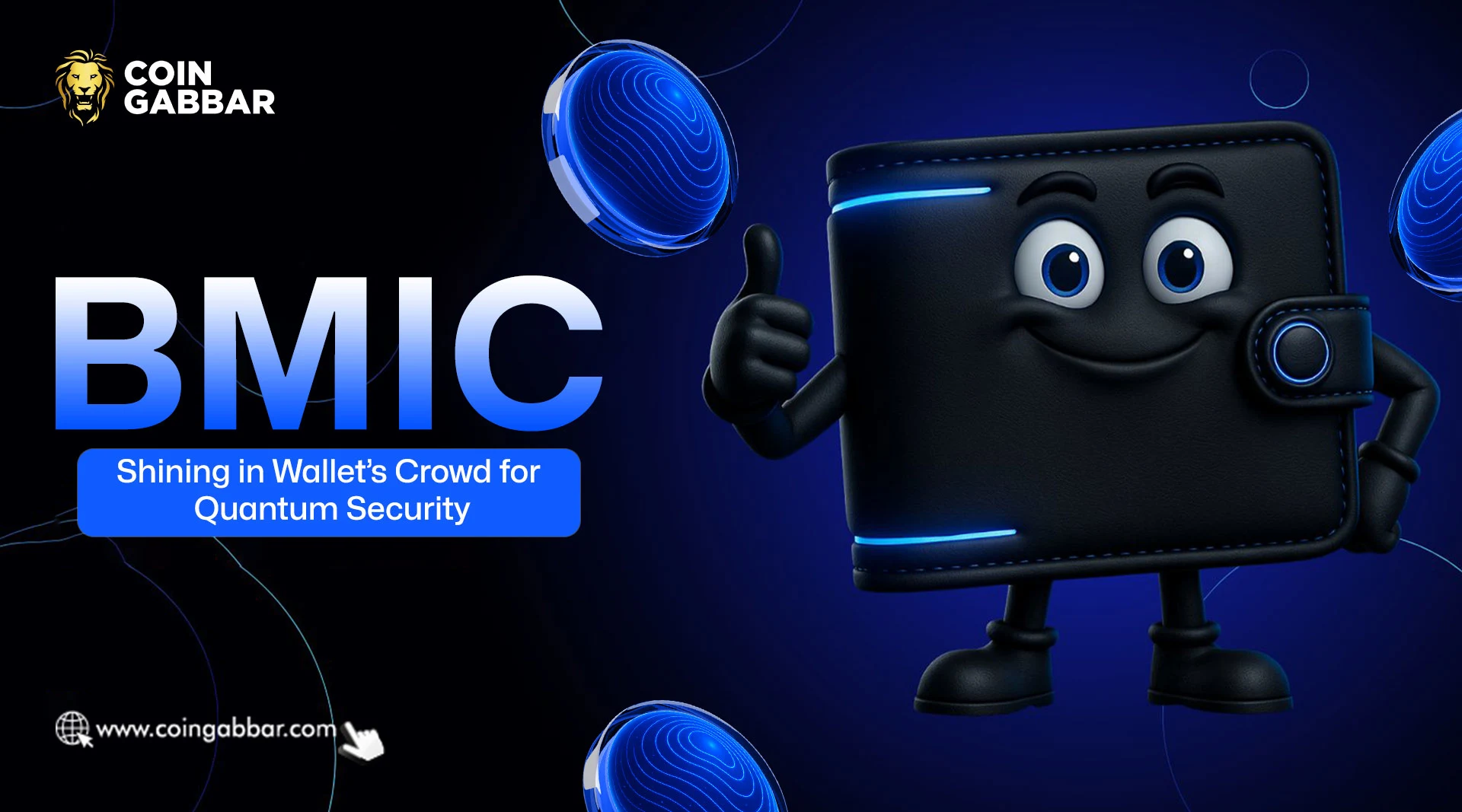
BMIC Wallet vs Top Crypto Wallets: Security, Features & Risks
BMIC Wallet vs Top Crypto Wallets: Security, Features & Risk;
Quantum computers used to sound like something out of a physics lecture, not a crypto headline. That's changing fast.
As the technology inches closer to real-world use, a fair question is starting to surface across the industry: are the;crypto wallets people trust every day actually built to handle what's coming?
For most wallets, the honest answer is no. They still run on classical cryptography, the kind that's worked well for years but was never designed with quantum-level computing in mind. The scarier part is that an attacker doesn't need a working quantum computer right now to do damage later.
Data can be quietly collected today and decrypted years down the line once the hardware matures, a pattern security researchers call "harvest-now, decrypt-later". That's the exact gap BMIC Wallet is positioning itself to close.
What Quantum Security Actually Means
Put simply, it's cryptography designed to hold up against a quantum computer, not just an ordinary one.
Standard encryption depends on math problems that are extremely hard for today's processors but aren't guaranteed to stay that way forever. Post-quantum cryptography, shortened to PQC, is the industry's response to newer encryption methods engineered specifically to resist that level of processing power, an approach NIST finalised as formal federal standard in 2024.
BMIC builds its wallet around this from the start, layering PQC together with hidden signatures and multi-party computation (MPC) so that keys stay protected at nearly every stage instead of sitting exposed at one obvious weak point.
BMIC Wallet vs Top Crypto Wallets: Where It Pulls Ahead
Built for Quantum From Day One
Very few wallets can genuinely claim quantum-resistant architecture from the ground up. BMIC is one of them, relying on hidden public keys and hybrid signatures instead of the exposed-key setup most wallets still use.
Smart Accounts Without the Usual Weak Point
Support for;ERC-4337 and ERC-7702 smart accounts comes paired with a hidden-key design, so wallet creation itself doesn't leak sensitive information. Most traditional wallets still lean on seed phrases and openly visible public keys, which remain a common way people lose funds.
An Extra Layer Under Every Transaction
A PQC Layer-2 verification step and pre-validation middleware work underneath transactions, aiming for what the team describes as zero key exposure. This kind of layered protection isn't something you'll find in most everyday wallets today.
More Than a Place to Store Coins
Staking, a crypto card, liquidity tools, an analytics dashboard, and multi-chain support are all bundled into one ecosystem here. Competing wallets often stop at the basics — sending, receiving, maybe a swap function.
Burn-to-Compute Is Genuinely Different
Users can convert tokens into compute credits (BCC) meant for future quantum-related workloads. This kind of feature doesn't really exist in mainstream wallets yet, since most are focused entirely on storage and transfers.
Recovery That Skips the Seed Phrase Problem
Wallet setup relies on MPC-based creation, meaning keys aren't supposed to be exposed even during recovery. Traditional wallets still depend heavily on seed phrases, which are notoriously easy to misplace or accidentally expose.
Staking Built Into the Wallet Itself
Yield analytics, liquidity lockers, and staking tools live directly inside the app rather than requiring a separate platform. Other wallets may offer staking too, just rarely as a native, quantum-secured part of the core product.
Fiat Access Plus: an Actual Card
Fiat on/off-ramp support and a native crypto card with tiered perks round things out. This is precisely where many competing wallets fall short, often offering little to no card functionality within the app.
Multi-Chain Support With PQC Underneath
Browser extensions and multi-wallet, multi-chain management are available too, layered with PQC-backed verification. Similar convenience exists elsewhere, just usually without any post-quantum protection built in.
Is Future-Proofing Even Necessary Right Now
Fair pushback: quantum computers capable of breaking real-world encryption don't exist yet, so why does any of this matter today?
Because most wallets are still solving yesterday's problems — phishing attempts, fake apps, careless key storage. Very few are thinking about algorithm shifts or quantum decryption years ahead of time. BMIC's bet is that by the time these threats become urgent, it'll be too late to retrofit protection into wallets that were never built for it.
That doesn't mean regular wallets are unsafe for everyday use right now. It just reflects a different set of priorities, aimed further down the timeline than most projects tend to look.
The BMIC Token Presale
A token presale is currently running, offering early access to the ecosystem ahead of any major exchange listing. Projects at this stage typically draw interest from users focused on long-term, security-driven narratives rather than short-term hype.
Risk Factors Worth Considering
-
Quantum threats remain largely theoretical for now, and no one can say with certainty when, or if, they'll become an urgent concern.
-
Presale-stage tokens carry more risk than listed ones since liquidity and real-world adoption haven't been proven yet.
-
Newer wallet ecosystems can see slower early adoption, which often means weaker liquidity and fewer integrations for a while.
-
Regulatory treatment of presale tokens and quantum-security claims can differ by region and may shift as rules evolve.
- Reviewing smart contract audits and project transparency is worth doing before committing funds to any presale-stage wallet.
-
No wallet, however strong its architecture, can fully protect against user-side mistakes like phishing or careless key handling.
Final Thoughts
For everyday transactions, wallets like Trust Wallet, SafePal, MEW, Coin98 continue to do the job well and remain widely trusted for good reason.
But for long-term holders, larger portfolios, or anyone genuinely concerned about what quantum computing could eventually mean for crypto, BMIC Wallet is worth a closer look.
Whether the real quantum threat arrives in five years or twenty, wallets built around that question early may end up with a meaningful head start. BMIC appears to be betting exactly on that.
Disclaimer
This article is for informational purposes only and does not constitute financial or investment advice. Cryptocurrency investments, particularly presale-stage tokens, carry significant risk, including the potential loss of capital. Readers should conduct their own research and consult a qualified financial advisor before making any investment decisions.





.jpg)




