New Crypto Coin Listing Watchlist for February 2026

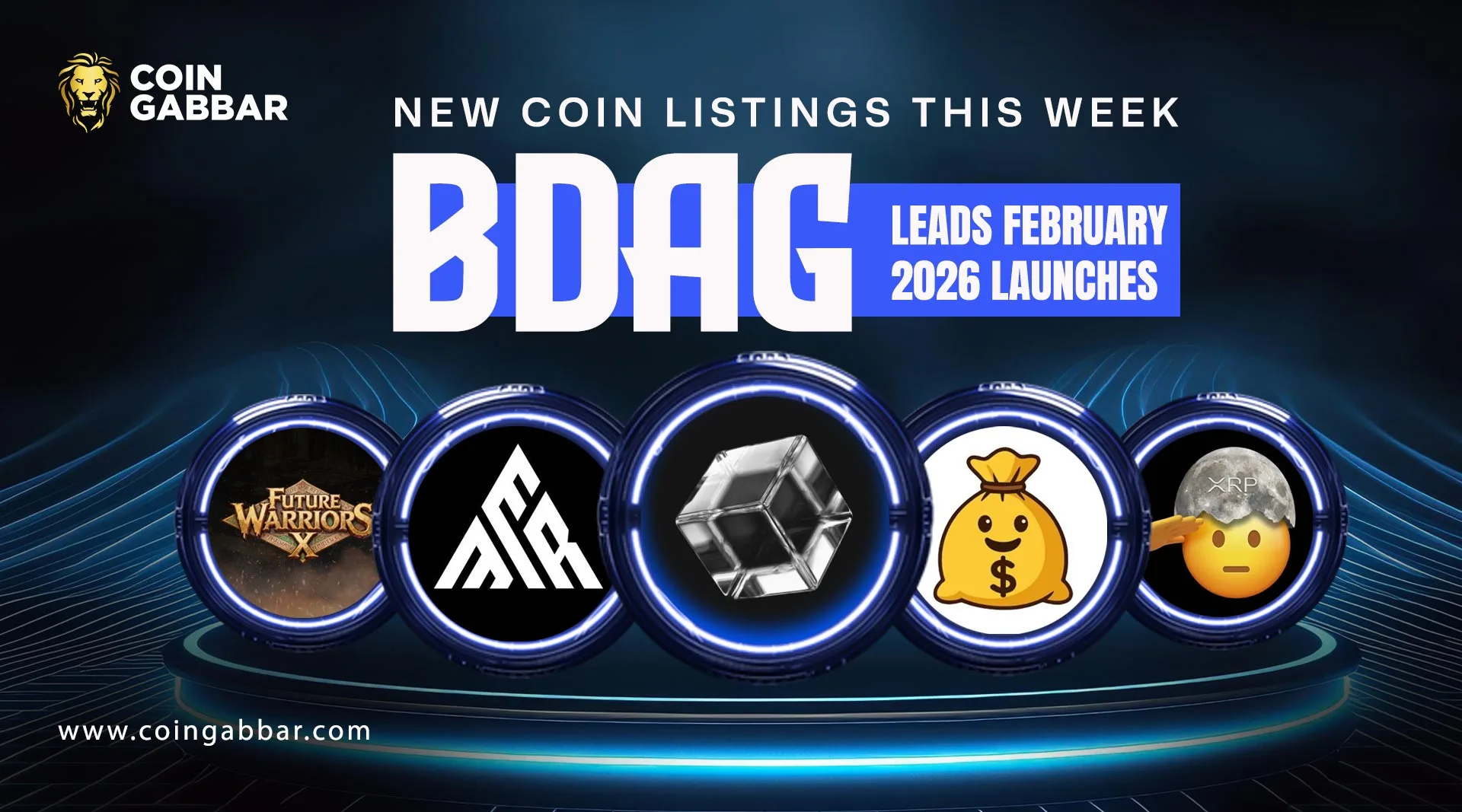
February Crypto Coin Listing: BlockDAG Leads With FWX, SLT, RIC, EMR
February 2026 has become an active month for token launches, and this refreshed guide explains the new crypto coin listing opportunities that traders and researchers are watching most closely. The focus is not only on names entering centralized exchanges, but also on the practical details that matter after a token goes live: trading pair, liquidity, tokenomics, roadmap strength, project utility, and early volatility risk.
Coin listings often attract attention because they make a token easier to buy and sell, yet the first few days can also be the most unpredictable. Readers who want broader market context can follow crypto market updates while comparing each listing with project-specific announcements.
Why February 2026 Listings Need Fresh Review
The previous version of this page covered Warriors X, Salute, Riche Chain, Emorya Finance, and BlockDAG. A refresh is useful because a listing page should help users move beyond basic dates and understand whether an exchange debut has real substance. A token may gain visibility from a listing, but sustainable interest depends on community size, development progress, and whether the project has a clear reason to exist.
For readers following new launch categories, CoinGabbar’s crypto event insights can help compare projects without relying on one single announcement.
Projects Included in This Listing Update
BlockDAG and BDAG Market Access
BlockDAG remains the most searched name in this set because users are tracking its presale progress, launch sequence, mainnet expectations, and future exchange access. The key research question is whether the project can move from presale attention to a working network with sustainable participation. A listing can improve access, but the more important signal is execution before and after the trading window opens.
Users who need a dedicated timeline can review the BlockDAG listing date page for the mainnet, TGE, and exchange sequence.
FWX, SLT, RIC and EMR Listing Factors
Warriors X, Salute, Riche Chain, and Emorya Finance each need separate evaluation. FWX and SLT may attract community-driven trading activity, while RIC and EMR require deeper review of infrastructure claims, ecosystem utility, and token distribution. For every new asset, users should check the official exchange announcement, deposit window, trading pair, withdrawal support, and regional restrictions.
Technical users can compare project claims with general blockchain standards by reading Ethereum developer docs before judging whether a network narrative is technically meaningful.
Listing Research Checklist
- Confirm the exchange name, trading pair, deposit time and trading start time.
- Review tokenomics, circulating supply, vesting schedule and liquidity allocation.
- Check whether the project has working products, testnet activity or credible roadmap milestones.
- Watch for fake links, impersonation accounts, copied websites and unrealistic price claims.
- Compare social engagement with real product activity instead of judging hype alone.
New listing traffic can be tempting, but users should avoid chasing every candle. A safer approach is to create a personal watchlist, record official links, and wait for confirmed liquidity. For broader forecast context, the crypto price predictions page can support market comparison without replacing independent research.
How to Read Early Listing Volatility
Early listing volatility usually comes from thin order books, delayed deposits, market-maker activity, and emotional buying. A token can rise quickly and still fall hard once early participants take profit. This is why the first listing price is not always a fair value estimate. A better process is to observe liquidity depth, daily volume, community updates, and whether the team communicates clearly after launch.
Regulated investor education resources such as SEC crypto asset guidance can help readers understand why crypto assets remain high risk even when they appear on known platforms.
Editorial Refresh Notes for Search Intent
This page should answer three different user intents: which coins are listing, why those listings matter, and how readers can reduce risk before trading. The refreshed structure therefore avoids treating every project as equal hype. It places more weight on verifiable listing information, exchange mechanics, and post-launch behavior. This helps the article serve both beginners searching for a quick list and experienced users checking whether the story has enough detail to revisit.
Future updates should add a small status note beside each project: announced, deposits open, trading live, withdrawals open, or delayed. That format makes the article easier to scan and gives returning readers a reason to come back. It also reduces confusion when listing dates change or when an exchange opens deposits before full trading begins.
What Readers Should Do Next
Readers should bookmark official project channels, verify the exchange page directly, and avoid market orders during the first moments of trading. If liquidity is thin, spreads can be wide and price movement can be exaggerated. A slow research process is usually better than reacting to social media posts during a launch window.
Glossary
Exchange Listing: The process of making a token available for trading on an exchange. TGE: Token Generation Event, when tokens are created or distributed. Liquidity: The ability to buy or sell an asset without heavily affecting price. Trading Pair: The market pair used to trade a token, such as BDAG/USDT.
Disclaimer
This article is for informational and educational purposes only. It is not financial advice, investment advice, or a recommendation to buy, sell or hold any crypto asset. Always verify official links, review risk factors, and consult a qualified financial adviser before making investment decisions.
Also read: