Quip Network in 2026: What It Is and Why It Matters

Why Quip Network Is Gaining Attention in 2026
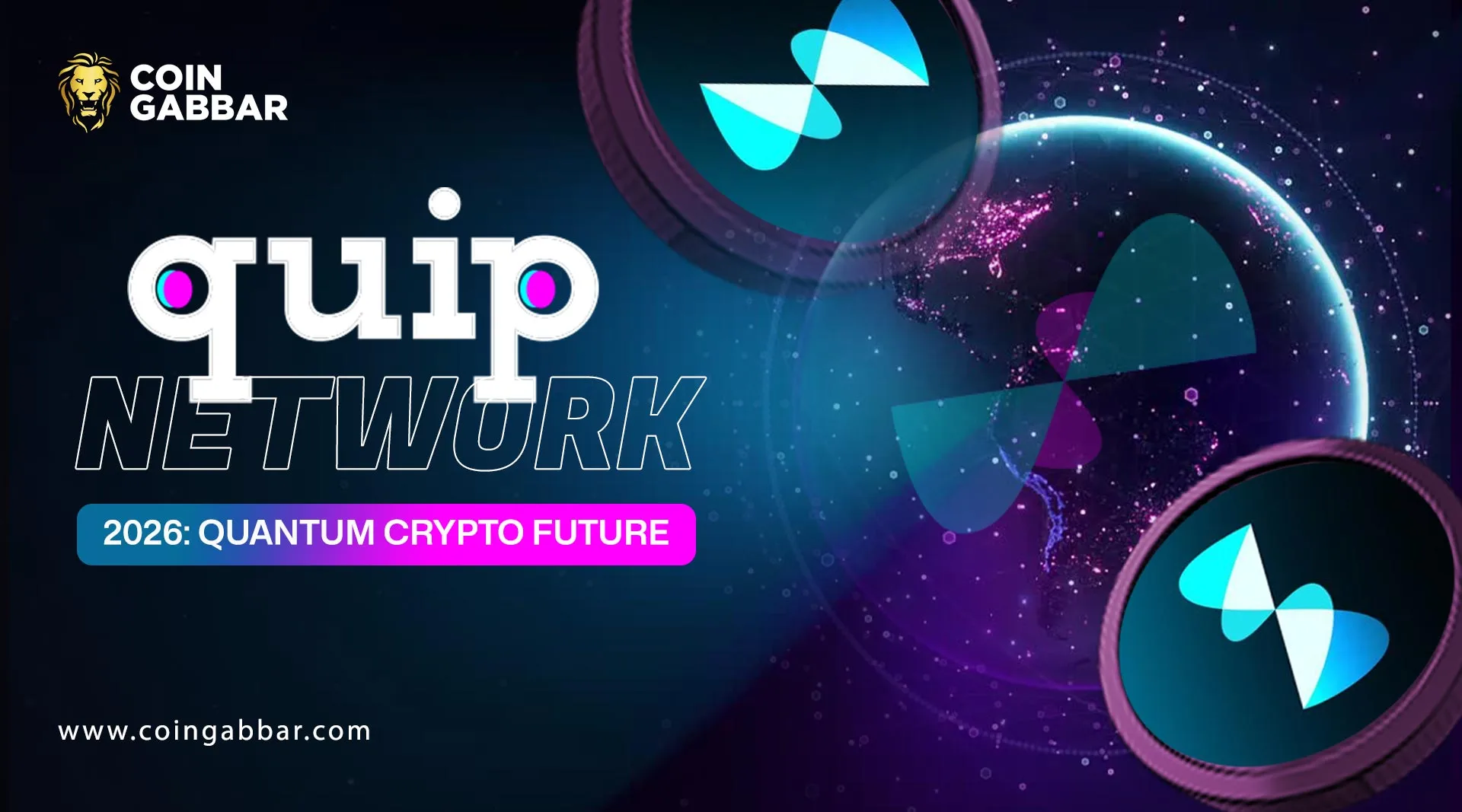
Is Quip Network the project that could make quantum computing useful for blockchain users? That question is getting attention in 2026 because this Network presents itself as a shared quantum computer for developers and onchain applications. It is not a typical meme-driven crypto story, and that is exactly why it stands out.
TL;DR
Quip Network is a shared quantum computing network built for jobs, apps, and future security use cases.
It connects CPU, GPU, ASIC, and QPU nodes into one distributed system.
Its biggest appeal is the mix of quantum infrastructure and post-quantum Bitcoin protection.
What Quip Network Does
Quip Network aims to turn quantum computing from a closed, expensive field into something more open and usable. The project describes itself as “the world’s shared quantum computer,” which makes its goal easy to understand even for non-technical readers. Instead of keeping compute power locked inside one company, it tries to connect different hardware types into one network.
That matters because quantum computing usually sounds distant and hard to access. Quip Network tries to remove that barrier by letting developers run jobs through a shared system. In simple terms, it wants to make quantum power feel more like cloud computing, only much more advanced.
The big story here is access.
Why People Are Watching It
People are paying attention to this Network for two reasons. First, the project sits at the intersection of quantum computing and blockchain, which gives it a rare narrative. Second, the network is being discussed alongside post-quantum Bitcoin protection, which adds a security angle that crypto users understand fast.
That security angle is important. The crypto market has spent years talking about wallets, smart contracts, and chain safety. Now a project is saying it can help prepare Bitcoin for future quantum threats. That gives Quip Network a very different kind of attention compared with standard DeFi or trading projects.
There is also a market psychology factor. Projects with a clear technical story often attract early curiosity before real adoption arrives. this Network fits that pattern because it offers a simple headline with a deeper technical theme.
How It Works
This Network uses a distributed model where compute jobs can move across different kinds of nodes. That includes CPU, GPU, ASIC, and quantum hardware, depending on what the task needs. This makes the network more flexible than a single-purpose system.
For users, the idea is simple. You join the ecosystem, interact with the network, and use its infrastructure for quantum-related workloads. For builders, that opens the door to experiments in cryptography, security, and advanced compute tasks.
The project also has a community and ecosystem layer around it. This Network has an announcement blog and social presence, which suggests the team is trying to build awareness and explain the project in stages.
Why It Could Matter for Crypto
This Network matters because crypto will likely need stronger security tools as technology evolves. If quantum computing becomes more practical, the industry will need better protection for wallets and infrastructure. That makes post-quantum security more than just a technical buzzword.
This is where the narrative gets interesting. A network that combines compute access with future-proof security can attract both builders and long-term researchers. That does not guarantee success, but it does create a stronger use case than many early-stage projects have.
Quantum security is not a side topic anymore. It is becoming part of crypto’s long-term conversation.
Quip Network Vs. Traditional Projects
Feature | Quip Network | Traditional Crypto Project | Standard Cloud Tool |
Chain or compute focus | Quantum and blockchain | Usually token-first | Cloud-only |
Core use case | Shared quantum jobs | Trading or DeFi | General computing |
Security story | Post-quantum angle | Often weak or absent | Not blockchain focused |
Audience | Builders and researchers | Traders and users | Developers |
Best for | Future-facing experiments | Short-term speculation | Standard compute tasks |
This comparison shows why Network gets attention quickly. It is not trying to look like every other crypto project.
Risks You Should Know
Quip Network is still early, and early projects always carry risk. Quantum infrastructure is complex, hard to explain, and difficult to scale. That means adoption may take time, and the market may move faster than the product.
There is also execution risk. A strong narrative does not guarantee a working ecosystem. If the project cannot turn its technical story into real usage, attention may fade.
Scenario Framework
Scenario 1 — Builder Breakout: More developers explore quantum compute and Quip Network becomes a visible infrastructure play.
Scenario 2 — Slow Utility Growth: The project grows steadily but remains niche while the market learns what it does.
Scenario 3 — Hype Fades Fast: Interest drops if adoption stays low or the technical story stays too narrow.
Glossary
Quantum computing — A type of computing that uses quantum mechanics to solve complex problems.
QPU — Quantum Processing Unit, the hardware that runs quantum tasks.
Node — A machine that helps run or support a network.
Post-quantum security — Protection designed to resist future quantum attacks.
Infrastructure — The base layer that other apps and services use.
Conclusion
Quip Network is interesting because it tries to connect quantum computing with real blockchain use cases. That gives it a stronger story than most early projects, especially in a market that now rewards utility more than hype. If the team keeps building and the ecosystem grows, Quip Network could become one of the more talked-about infrastructure stories of 2026.
Disclaimer: Not financial advice. Crypto and early infrastructure projects can be highly risky.








.jpg)




