Vectorium Network Explained: How This Carbon Credit Blockchain Works?

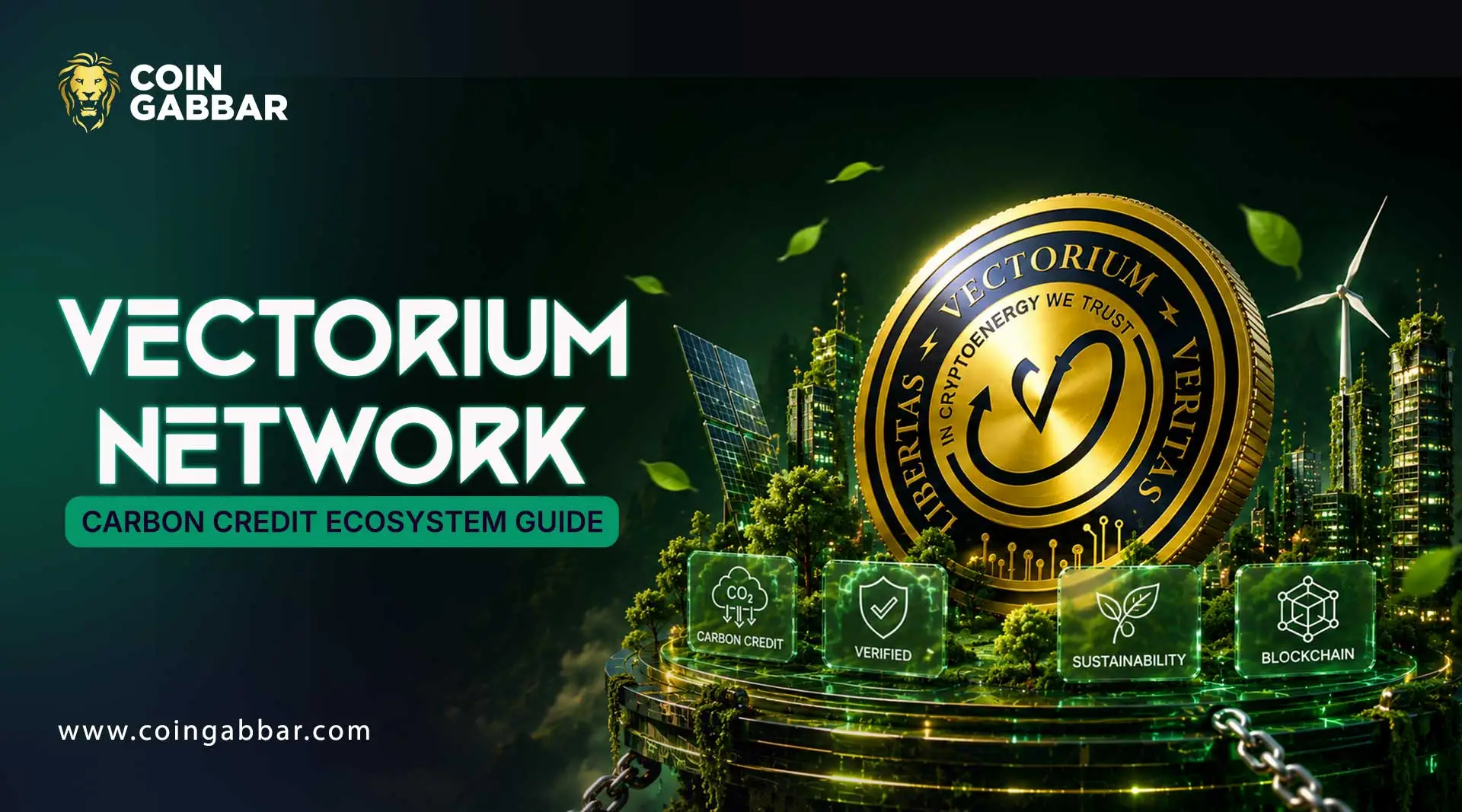
Is Vectorium Network Building The Future Of Carbon Markets?
You hear about climate change every day. Carbon credits help fight it. But trading them often feels slow and unclear. The Network changes that. It puts climate credit on the blockchain.
This lets you buy, sell, and track them easily. The project runs on the Solana blockchain. Solana gives fast and cheap transactions. You see your impact right away.
What exactly is Vectorium Network?
Vectorium Network is a sustainability-focused blockchain project platform. It turns real climate credit into digital tokens. You trade them like crypto.
The team built a marketplace for verified credits. These come from renewable energy, forestry, and other green projects. Everything stays transparent on the chain.
You can offset your own carbon footprint this way. One click. Real results.
The native token is called VECT. It powers the whole system. You use it to trade credits and join activities.
How does the carbon credit system work here?
First, projects get verified. Then it turns their credits into tokens. You buy these tokens. Each one stands for a real ton of CO2 removed or avoided.
The blockchain records every trade. No middlemen hide fees or details. You track your offsets easily in your wallet.
This setup makes carbon markets open to regular people. Not just big companies.
Real numbers back it up. The platform shows over 1 million climate credit traded. More than 500 active projects. And 50,000 users worldwide.
Why choose Solana for this?
Solana handles thousands of transactions per second. You pay tiny fees. Traditional carbon markets charge a lot. The project keeps costs low.
This speed helps daily trading. You react fast to market changes. New users join without frustration.
The project released its project whitepaper. It explains the full vision. You can read it on the official site for every detail.
What can you do on the platform?
-
Buy carbon credits with token
-
Trade credits with other users
-
Track your personal impact
-
Support real green projects worldwide
-
Use decentralized applications built on top
These decentralized applications let you do more. Some connect to wallets. Others show live impact reports. You stay in control.
Token details you should know
Vectorium crypto has a total supply of 1 billion tokens. The team planned clear allocations. Public sale, private investors, foundation, team, and more.
Staking options exist too. You lock tokens and help secure the network. Rewards come in return.
Vectorium price depends on market activity. Like other tokens, it can move up or down. Check current rates on exchanges.
Many new users start small. They buy a few credits first. Then they learn how the system works.
Does it really help the planet?
Yes. Every credit you buy supports verified projects. These remove CO2 from the air. Or stop new emissions.
You see the impact numbers. Over 1 million tons of CO2 offset so far. That is concrete.
The blockchain adds trust. You know the credits are real. No double counting. No greenwashing.
Sustainability focused blockchain projects like this one grow fast. It stands out with its clear focus on carbon.
How do you get started?
Visit the official site. Create a Solana wallet. Buy some Vectorium crypto. Then explore the marketplace.
You can read the project whitepaper first. It answers most questions. Start with small actions. Build your knowledge step by step.
Many beginners like the wallet features. They send credits easily. They check their portfolio anytime.
What sets it apart from other projects?
Traditional carbon markets feel closed. Vectorium opens them up. You participate directly.
The solana blockchain makes it practical. Fast trades. Low costs. Real adoption possible.
Vectorium crypto gives you access. It rewards participants. The model ties profit to positive impact.
Future possibilities
More projects will join the marketplace. More users will offset their emissions. Decentralized applications will expand.
You could see new tools for companies. Or easy ways for schools to teach climate action. The foundation is solid.
Vectorium Network shows how blockchain meets real-world needs. It makes sustainability simple for you.
Ready to try? Head to website and look around. Read the whitepaper. Start with one credit. See how it feels.
Your small actions add up. The platform makes them count.
Disclaimer: This blog uses info from the official site. Crypto and carbon markets carry risks. Always do your own research.





.jpg)