India Crypto News: Monsoon Session, Parliament Table VDA Report?


India Crypto News: VDA Report Expected This Monsoon Session 2026
India's Monsoon Session of Parliament opened today, and cryptocurrency sits close to the center of it. Parliament's Standing Committee on Finance is expected to present its long-awaited report on Virtual Digital Assets sometime during this session, though the exact date has not been confirmed.
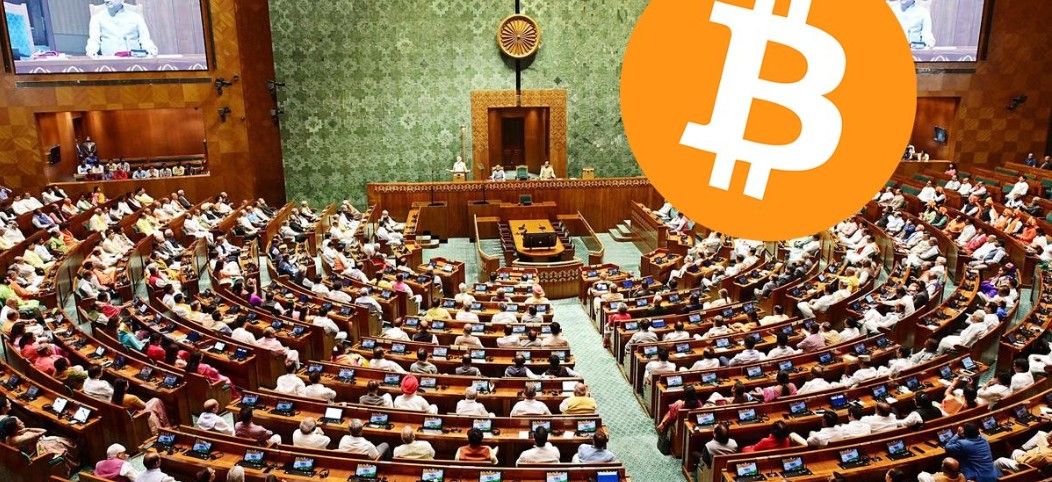
Source: CryptoIndia Official
If this India crypto news does come forward, the report could shape the next stage of the cryptocurrencies regulation of the country for years to come.
India Crypto News: Monsoon Session Of Parliament Begins In Delhi Today
Lawmakers gathered in Delhi today as the Monsoon Session officially got underway. Cryptocurrency wasn't listed as the top item on the agenda, but it has become one of the most watched topics heading into these weeks.
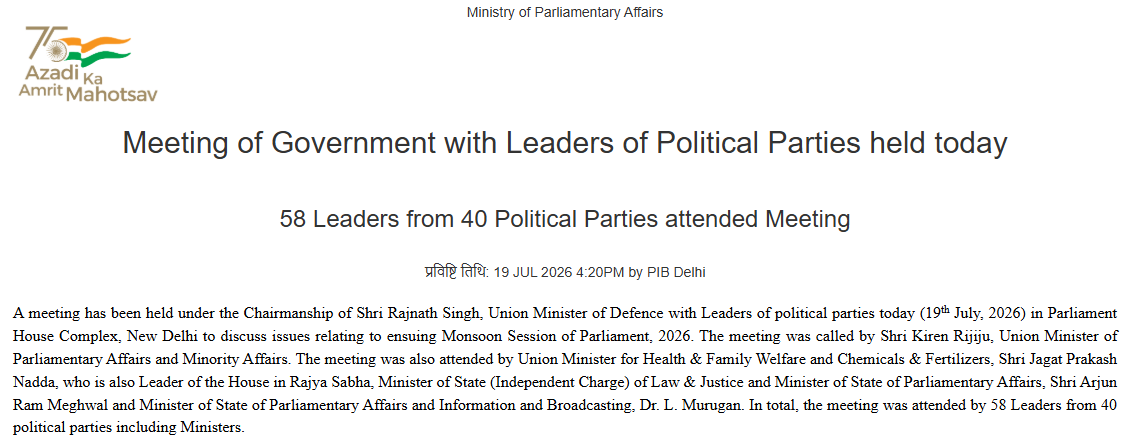
Source: Ministry of Parliamentary Affairs
The Finance Committee spent months building toward this report before the monsoon session even began. It held consultations with the RBI, CBDT, FIU-IND, and ICAI, along with exchanges such as CoinDCX, CoinSwitch, WazirX, ZebPay, and Coinbase.
That mix of regulators and industry efforts suggests the report may try to balance both sides, though this India crypto news’s final content and release date remain unconfirmed.
Virtual Digital Assets Explained: The Process And Meetings So Far
Virtual digital assets entered India's legal vocabulary through the Finance Act 2022, under Section 2(47A) of the Income Tax Act. That's when the government first defined VDAs for levy purposes, covering cryptocurrencies and similar digital tokens.
From there, the process moved step by step rather than all at once. The 30% tax and 1% TDS rules took effect from July 2022, and exchanges were later brought under anti-money laundering law through a March 2023 notification, making them PMLA reporting entities registered with FIU-IND.
Industry meetings picked up pace through 2025 and into 2026. Lawmakers called the RBI in for direct questioning on cryptocurrency policy, and the Finance Committee ran its own cryptocurrency meeting sessions with exchanges and regulators before drafting this report.
Year and Development At Glance
2022: VDA defined under Income Tax Act
2022: 30% tax and 1% TFS introduced
2023: VDA firms brought under PMLA
2025: Finance Committee consultations begin
2026: Monsoon Session and expected VDA report
What The Finance Committee's Long-Awaited Cryptocurrency Report Could Include
No one outside the committee has seen a final draft yet, so the exact contents stay unclear for now. What is known is the range of voices involved: tax officials, financial intelligence officers, accountants, and exchange operators all took part in these India crypto-centered meeting sessions before any draft came together.
This groundwork matters because the country currently manages virtual digital assets through tax code and anti-money laundering rules rather than a specific framework for digital assets.
Why This India Crypto Policy Report Matters For the Financial Future
This report matters because India's crypto market is one of the biggest in the world. The country counts nearly 39 million KYC-verified cryptocurrency users, based on figures cited alongside the committee's consultations.
Those users together hold more than ₹20,400 crore, close to $2.1 billion, in digital assets. On the platform side, 54 FIU-registered VDA service providers currently operate in the country under existing anti-money laundering rules.
The country also ranked first in chainalysis cryptocurrency adoption report 2025, without any dedicated digital asset law.
A clear Indian digital asset policy could give exchanges, investors, and regulators a common rulebook to follow. Without one, enforcement actions and tax rules keep filling the gap instead.
Everything currently runs through tax code and anti-money laundering rules built for other purposes, not a framework designed specifically for digital assets.
India Crypto News: Digital Asset Actions Are Still Tight
Current Crypto Tax And TDS Rules
For now, existing India crypto tax and indirect laws stay in place. Every gain faces a flat 30% tax, every transfer carries a 1% TDS deduction, and there's still no way to offset cryptocurrencies losses against gains.
Enforcement has stayed active alongside these rules. The Enforcement Directorate seized assets worth ₹289.68 crore from WazirX's parent company for alleged FEMA violations. Proceeds of crime attached in crypto-linked money laundering cases had crossed ₹907.48 crore, according to a Lok Sabha reply reported by National Herald.
More recently, the ED searched six premises in Bengaluru in June this year, tied to five crypto-based payment firms accused of routing over ₹2,500 crore abroad without RBI authorization, as per official press release.
Actions like these show enforcement moving faster than actual India digital asset rules on the books.
Can India Crypto Report Pass During This Parliament Session 2026?
Whether the report gets tabled, debated, or acted on this session is not something anyone can confirm right now. Parliamentary timelines shift often, and committee reports don't always move to a vote in the same session they're presented.
What can be said is that the groundwork exists. Months of consultation, growing enforcement activity, and rising user numbers all point toward pressure for some kind of framework. Whether that turns into an actual India crypto ban, tighter rules, or a lighter-touch approach remains something only Parliament can decide.
Note: Readers following crypto news today should treat this Monsoon Session as a period to watch rather than a guaranteed turning point. Anyone with active digital asset holdings should rely on official government announcements, not early reports, before making tax or compliance decisions tied to India crypto rules 2026.
Disclaimer: This article reflects publicly available information as of today and does not constitute financial or legal advice. Cryptocurrency tax and regulatory details can change; readers should confirm current rules through official government sources before acting on them.






