The New Meaning of “Safe” Money in a World of Digital Assets

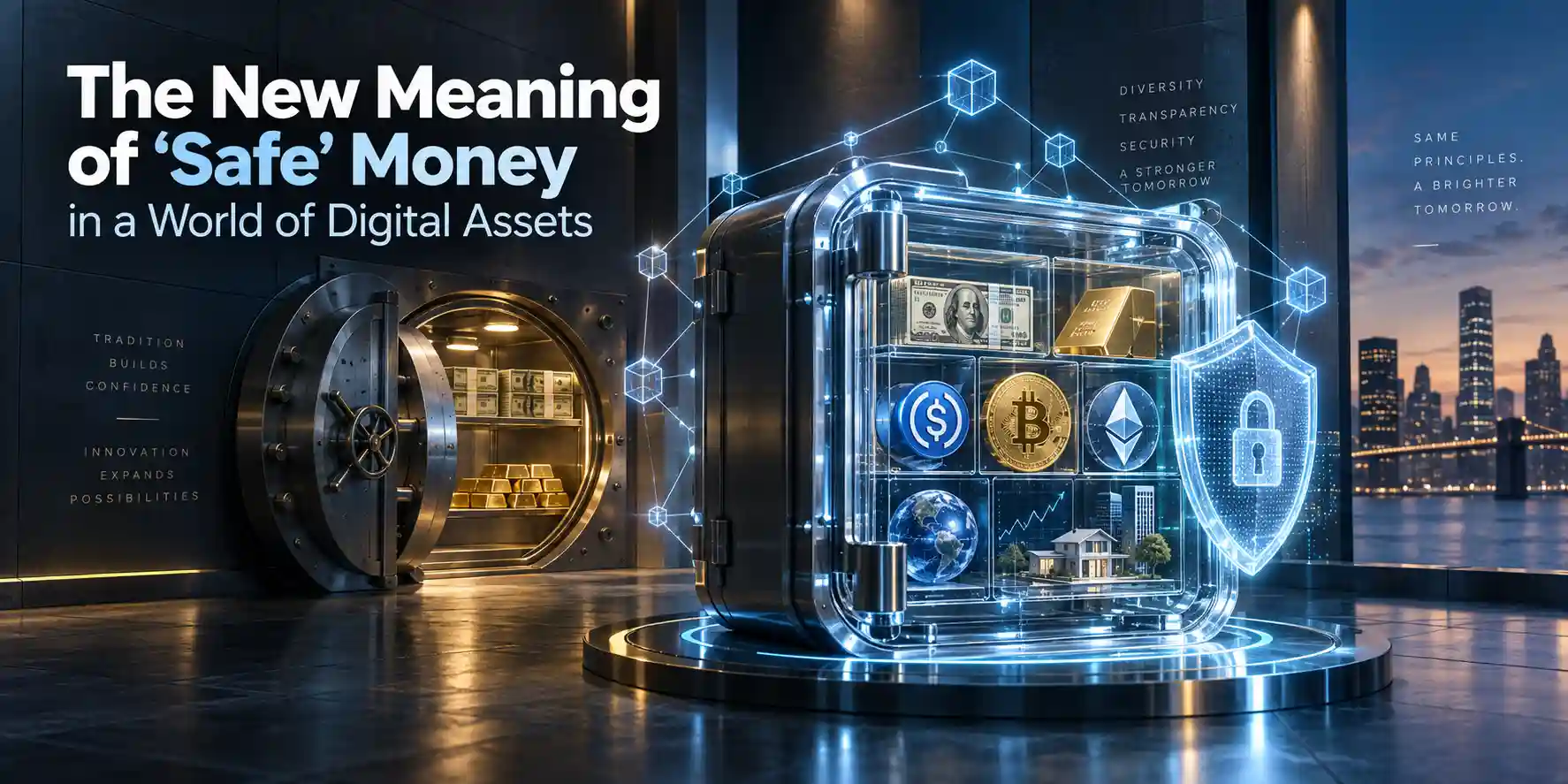
Cash felt simple. A note in a wallet could be lost or stolen, but the owner knew what it was. Bank savings added another kind of comfort: a name, a branch, a phone number, and deposit insurance. Digital assets changed the picture because money now moves through apps, exchanges, wallets, cards, and payment rails that do not sleep. Even a plain transfer between two friends can pass through device locks, cloud backups, bank checks, and a merchant screen before anyone feels settled.
It sounds tidy, but it is not. A Dutch reader comparing payment habits might find top games at an online casino amerika for players from the netherlands, then notice a bigger point: safety is partly about speed and partly about control. The pattern repeats. One sentence later, the same reader could choose a trusted https://googlepaycasino.nl/ with fast deposits, yet still ask who holds the funds during every click. That question is the new starting line.
Trust Now Lives in Keys and Habits
Old safety was visible. A bank vault had steel, guards, ledgers, and opening hours. Digital safety is quieter. It sits in seed phrases, two-factor codes, withdrawal whitelists, device history, and the boring habit of checking a web address before logging in.
The hard part is that ownership and access are no longer the same thing. A person can own bitcoin but lose the twelve-word phrase. A stablecoin balance can look calm until the issuer freezes a wallet or a network fee jumps at 6:00 p.m. on a Friday. Tiny details matter.
So “safe” now means knowing the weak point before trouble starts. Is the password stored on paper or in a photo roll? Is the exchange registered, and does it publish proof of reserves? Is there a small test transfer before a large one? These checks feel dull until they save €2,000 in one mistaken tap.
Speed Makes Money Feel Safer Than It Is
Instant payment is seductive. The green tick arrives before doubt has time to speak. That is why digital cash feels safer than a bank queue or a card dispute form, even though the risk has merely changed shape.
A crypto transfer does not wait for office hours. A card wallet approves in seconds. A gaming account balance appears right away. Nice. But speed removes the pause that used to catch typos, fake websites, and panic decisions. One wrong character in an address can send coins to a stranger with no chargeback desk nearby.
Safer money now needs friction in chosen places. A 24-hour withdrawal delay is not annoying if it blocks a hacked login. A €10,000 daily limit sounds strict until a phone is stolen at a station. The smart user slows the risky moments and lets the routine ones stay quick.
Stablecoins Are Promises With Receipts
Stablecoins borrow the language of old money. One token equals one dollar. Clean. The comfort comes from the claim that cash, Treasury bills, or similar assets sit behind the token. Yet the claim is only as good as the records that back it.
That is why reserves matter more than glossy app screens. Tether and Circle both publish attestations, and readers should know the difference between an attestation and a full audit. The first checks figures at a point in time. The second digs deeper into controls and method.
There is also issuer risk. A bank run can happen in token form when holders rush for redemptions after a rumor. Safe use means matching the coin to the job: short payments, small settlement windows, and no blind faith in a logo.
Private Keys Put Responsibility on Ordinary People
Self-custody sounds clean until someone has to do it. The owner becomes the bank clerk, security team, and records office at once. There is power there, but also a sharp edge.
A hardware wallet lowers online attack risk. It does not protect against a seed phrase written on a sticky note under a desk lamp. A multisig setup helps a family office avoid one-person failure, yet it creates paperwork that must survive holidays, illness, and death. Grim stuff. Real stuff.
The safest plan is boring enough to repeat. Two backups in separate places. One trusted contact who knows where instructions are, but not enough to steal. A written transfer limit for any new address. Digital assets punish drama, so good habits should feel almost dull.
A Practical Definition for 2026
Safe money now has three tests. Can the holder prove where it is? Can the holder move it without begging a middleman? Can the holder recover after a broken phone, a frozen account, or a scared mistake?
One small test helps today. Move €20 through the chosen path, record each step, and see where trust actually sits.













.jpg)




