World Cup 2026 Kickoff Puts Digital Platforms to the Test

World Cup 2026 Digital Platforms Face Kickoff Test
The 2026 FIFA World Cup opens on June 11 with Mexico vs South Africa at Mexico City Stadium, and the first week will test more than teams and tactics. It will test how football fans move between screens when a global matchday starts: official fixtures, live scores, wallet apps, FIFA Collect drops, token communities, odds dashboards and social feeds.
That matters for crypto media because World Cup attention comes in short, violent bursts. A lineup drops. A goal changes a group table. A red card sends traffic to live data pages. A collector checks whether a match-related digital asset is moving on the marketplace. A token holder watches community sentiment swing with a national team’s performance. The live football audience is no longer parked in one place. It moves.
World Cup Kickoff Creates the First Attention Spike
The opening match gives digital platforms a clean activation point. FIFA’s official schedule lists Mexico vs South Africa on June 11 at Mexico City Stadium, with the tournament running from June 11 to July 19 across Canada, Mexico and the United States.
That timing gives platforms a predictable surge. Before kickoff, fans search fixtures, lineups and group-stage permutations. During the match, they refresh live scores, expected goals, possession maps and odds. After the final whistle, attention shifts again to highlights, collectibles, token channels, market commentary, and next-match scenarios.
For crypto platforms, the question is not whether football creates attention. It does. The sharper question is whether Web3 products can hold that attention after the match clock stops.
FIFA Collect Moves From Souvenir to Utility Layer
FIFA Collect is the most direct official bridge between World Cup attention and digital collectibles. The platform lets users open digital packs containing official football moments, limited-edition cards and rewards tied to collections.
The stronger 2026 hook is ticket-adjacent utility. FIFA Collect’s Right-to-Ticket pages describe RTTs as official FIFA digital collectibles that grant holders the right to claim a FIFA World Cup 2026 match ticket for the specific match and category associated with the collectible. FIFA Collect also states that RTTs are tradable on its marketplace, with conversion rules and ticketing limits applying during the claim process.
That is a practical blockchain use case, not just a speculative collectible pitch. The asset records ownership, scarcity and transfer history before it becomes relevant to a real matchday. It also gives FIFA a way to connect wallet onboarding with tournament demand.
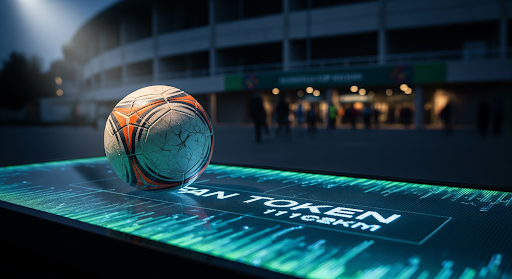
Fan Tokens Need Utility Beyond Noise
Fan tokens face a harder test during World Cup opening week. They can quickly gather communities, but matchday excitement does not automatically create durable token utility.
The useful model is access and participation, not price hype. A fan token can support polls, rewards, gated content, community prediction games or digital identity inside a club or federation ecosystem. But if the token’s only function is emotional exposure to a team, it becomes vulnerable to the scoreboard. A loss can drain sentiment. A draw can kill momentum. A surprise win can bring short-term volume without proving long-term retention.
For World Cup 2026, serious fan-token projects will need to show what holders can actually do during a fixture window. Voting on a playlist is weak. Verified access, collectible rewards, matchday quests and portable reputation carry more weight.
Sports Betting Platforms Compete for the Same Live Screen
Football’s live-attention economy does not cleanly separate collectibles, data dashboards, and betting platforms. The same fan may check fixtures, follow team news, monitor odds and refresh match stats during the same 15-minute spell. During major tournament windows, Melbet sits inside that wider sports-platform habit, where odds tracking and fixture data become part of second-screen behavior. The practical competition is for the decision moment: when a lineup confirms, when a favorite concedes early, or when live match tempo changes the betting read. Mobile dashboards matter because users want markets, scores and context without leaving the match. The platforms that retain attention best are usually the ones that connect live data to fast decisions without making the interface feel crowded. World Cup traffic rewards speed, but it also punishes bad information architecture.
The Tools Fighting for Matchday Attention
Digital engagement during World Cup 2026 will not depend on one product category. It will be a stack.
-
Official fixture hubs with confirmed venues, kickoff times and match centers.
-
FIFA Collect packs, Right-to-Ticket collectibles and marketplace listings.
-
Mobile wallets used for collectible storage, trading and digital identity.
-
Fan-token communities built around polls, rewards and matchday participation.
-
Sports data dashboards tracking lineups, xG, possession, shot maps and live scores.
-
Betting platforms offering pre-match markets, in-play odds and fixture-linked dashboards.
-
Social feeds where clips, lineup graphics and sentiment spread faster than formal analysis.
The real KPI is repeat behavior
The first login is not the win. Repeat use is.
A collector who opens one pack and never returns is weak retention. A fan who checks a marketplace before each group match is stronger. A bettor who uses live data to compare match tempo across several fixtures is also sticky. A token holder who joins matchday votes, claims rewards and trades identity-linked items has a deeper habit than someone chasing a one-day trend.
Comparison Table: Who Owns Which Part of the Matchday?
| Platform type | Core utility | Where attention spikes | Main retention signal |
| Digital collectibles | Ownership records, scarcity, official moments, ticket-adjacent assets | Drops, highlights, major fixtures, marketplace movement | Repeat collection activity and secondary-market participation |
| Fan tokens | Community access, voting, rewards, gated experiences | Lineup debates, match results, federation or club announcements | Holder participation beyond price tracking |
| Live data dashboards | Fixtures, team news, xG, shot maps, possession, substitutions | Lineup release, goals, red cards, halftime, injury time | Return visits across multiple matches |
| Sports betting platforms | Pre-match odds, live markets, bet slips, fixture dashboards | Odds movement, goals, foul trouble, tactical shifts, late pressure | In-play engagement and post-match return behavior |
Blockchain Works Best When It Disappears
The best World Cup blockchain products will not ask fans to care about infrastructure first. They will make ownership, access and trading feel ordinary.
That is why FIFA Collect’s migration to the FIFA Blockchain is technically significant. Its migration FAQ says the platform is moving to an EVM-compatible FIFA Blockchain to improve performance, enable future features, and enhance scalability. FIFA Collect also describes the move as a more wallet-friendly way to engage future fans.
Avalanche’s official announcement says FIFA selected Avalanche to power a custom Layer 1 network designed for digital collectibles and fan engagement at global scale. The key phrase is not “Layer 1.” It is “global scale.” World Cup demand does not behave like a normal product launch. It arrives in waves, driven by kickoff times, goals and national-team emotion.
Digital Identity Becomes More Valuable During Big Fixtures
World Cup 2026 can also push digital identity into mainstream fan behavior. A wallet is not only a place to hold assets. It can become a portable profile of what a fan attended, collected, claimed, traded or predicted.
That matters because football attention fragments quickly. Fans jump from FIFA pages to social clips to live data to betting screens to wallet apps. A persistent identity layer can connect those actions without forcing the user to start from zero every matchday.
The danger is friction. If onboarding takes too long, casual fans quit. If the language of custody feels too technical, sports fans tune out. If rewards lack real utility, collectors move on after the opener.
The Opening Week Will Separate Products From Props
World Cup 2026 will give every digital sports platform the same opportunity: a massive, time-sensitive audience that already cares about fixtures, scores and team news. Digital collectibles can convert emotion into ownership. Fan tokens can convert support into participation. Data dashboards can convert match chaos into readable signals. Betting platforms can convert live attention into fast decision-making.
The weak products will chase the logo. The stronger ones will understand matchday behavior: fans do not sit still, and their attention moves at the speed of the next whistle.
Disclaimer: This article is for informational purposes only and not financial, investment, or betting advice. Readers should conduct their own research before making any decisions.
Also read: