What Is a Whale Wallet Movement: Why It Moves Crypto Prices

What Is a Whale Wallet Movement: How It Affects the Market
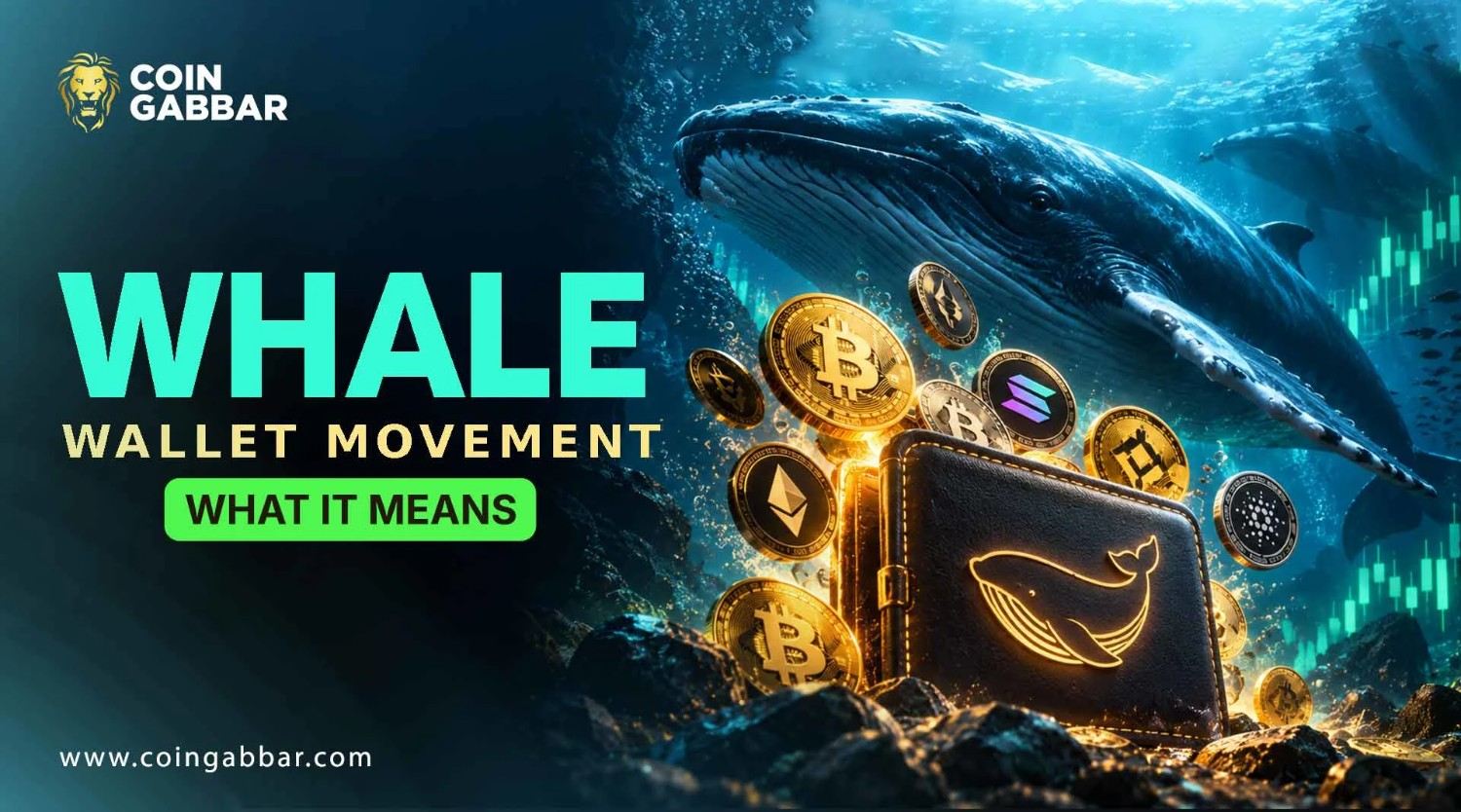
Big money moves, and everyone feels it. That's really the short version of a whale wallet movement: a wallet sitting on a giant pile of crypto suddenly sends or receives a massive transaction.
These wallets belong to crypto's biggest players: early investors, large funds, or exchanges holding customer coins.
A whale wallet movement matters because it usually hints at what one of these big players is about to do.
Millions of dollars shifting in a single transaction gets noticed fast, and prices can react before most people even hear the news.
What Is a Whale Wallet Movement, and How Does It Work
Cut through the jargon, and a whale wallet movement is just a large on-chain transaction from a wallet holding a big chunk of a coin's supply.
Blockchains are public record books, so anyone can pull up a wallet address and watch its entire history play out.
That's exactly how a whale wallet movement gets caught in the first place; the size of the transfer, combined with the wallet's past behavior, is what decides whether it's a true whale-level event or just routine housekeeping.
Key Features of a Whale Wallet Movement
A few patterns keep showing up with a whale wallet movement. The transaction size sits way above what's normal for that coin.
The wallet often hasn't budged in months, sometimes years, so when it finally moves, people take notice. Where the coins end up matters just as much as how much money is sent to an exchange; it often looks like a sale is coming, while shifting coins into cold storage usually reads as someone settling in for the long run.
These small clues are what separate a genuine whale wallet movement from an everyday transfer.
How a Whale Wallet Movement Affects the Market
Whales control enough supply that a single whale wallet movement can flip market sentiment almost overnight.
Coins heading to an exchange make traders brace for a sell-off, and that fear alone can drag prices down. Coins pulled away from an exchange, on the other hand, often get read as an accumulation of a quiet vote of confidence that can push prices back up.
That constant push and pull is exactly why a whale wallet movement gets watched so closely by anyone trying to stay a step ahead of sudden price swings.
Why Do Whale Wallets Move So Much Crypto
There's almost never just one reason behind a big whale wallet movement. Some whales are only spreading funds across wallets to stay secure.
Others are locking in profits after a rally or scooping up coins during a dip. Big institutions sometimes shift funds between custody providers for dull operational reasons that have nothing to do with timing the market at all.
So a whale wallet movement doesn't automatically mean a sale is coming, but it's still worth paying attention to every single time.
Causes and Effects of a Whale Wallet Movement
What causes a whale wallet movement ranges from ordinary portfolio cleanup to reactions triggered by breaking news, new regulations, or an upcoming project milestone.
What follows can be sharp price swings, a sudden jump in trading volume, or a mood shift across crypto social media.
A whale wallet movement that lands right before a major announcement sometimes raises questions about insider knowledge, which is exactly why analysts track timing just as closely as they track size.
Common Reasons Behind Whale Wallet Movement
Some of the usual suspects behind a whale wallet movement include moving funds to a safer cold wallet, sending coins to an exchange to trade or sell, merging a bunch of smaller wallets into one, or diving into staking and yield programs.
Large transfers also happen when a fund closes out a position or when an exchange reshuffles customer balances for internal reasons.
Getting familiar with these patterns makes it much easier to tell whether a whale wallet movement is just routine or actually worth acting on.
How to Track Whale Wallet Movements
Keeping tabs on a whale wallet movement is far simpler than it used to be, thanks to blockchain explorers and alert services built specifically for this job.
Anyone can search a wallet address and scroll through its complete transaction history in minutes. Alert platforms go even further, firing off a notification the moment a huge transfer clears, so following a whale wallet movement doesn't mean being glued to a chart all day.
Pairing those alerts with price action and volume data paints a much clearer picture of what's really going on.
Best Tools to Monitor Whale Wallet Movement
A handful of tools have become the go-to choices for catching a whale wallet movement.
Whale Alert is probably the most familiar name, posting public updates the moment a large transfer goes through. Nansen and Arkham Intelligence dig deeper, labeling wallets and mapping out patterns over time.
Basic blockchain explorers like Etherscan or Solscan still get the job done too. Mixing a few of these tools together makes it much harder for a whale wallet movement to slip by unnoticed.
Token Utility
For projects built around tracking a whale wallet movement, the native token usually isn't there just for decoration; it's built to power the whole platform. A common setup gives the token jobs like these:
Unlocking premium whale alerts and real-time notifications
Paying for API access to whale-tracking data
Letting holders vote on which crypto wallets or blockchains get added to the tracker
Rewarding people who stake tokens to help run or secure the network
Giving discounts on subscription tiers for deeper analytics
The logic is straightforward: the more useful the tracking tool gets, the more reason there is to hold and actually use the token behind it.
Tokenomics Step-by-Step
Tokenomics is basically the game plan for how a token gets created, handed out, and put to use over time. And here is the usual way things work for such an endeavor:
Supply is set: A hard cap is established from the start so that no future supply expansion would be possible without a community vote.
Allocation is established: The team decides how much to allocate to buckets like community members, team members, investors, and liquidity pool.
Vesting schedules begin: Team and investor tokens normally vest during one to three years so there are no dumpers.
Liquidity is secured: Part of the tokens goes directly to the exchanges so that trading is ensured from the very first day.
Utility is provided: Crypto staking, governance, and special premium utility are launched so that the coin has something to do.
Post-deployment changes: Some teams burn tokens or launch new rewards through a community vote.
Token Allocation (Example Breakdown)
Community/Ecosystem Incentives: 30%
The team/founders (locked for 3 years): 20%
Investors (private and public sales): 20%
Liquidity and listing on exchanges: 15%
Treasury and development in the future: 10%
Marketing and partnerships
Roadmap
Phase 1: Introduce the whale tracking system with simple wallet alerts and integration with Explorer
Phase 2: Release the native token, introduce crypto staking, and upgrade alerts to premium
Phase 3: Extend the tracking system to more blockchains and include pattern recognition with AI
Phase 4: Introduce the governance feature to involve token holders in decision-making on future updates
Phase 5: Establish partnerships with crypto exchanges and analytical platforms to exchange more information
Phase 6: Increase infrastructure and work on adopting the tool by traders and institutions
Conclusion
A whale wallet movement stays one of the clearest tells in all of crypto; it shows exactly where big money is headed before most people ever catch on.
Not every movement ends in a price swing, but understanding what drives one, how to track it, and how whale-tracking tools and tokens fit into the bigger picture gives traders a real edge in reading the market before it becomes obvious to everyone else.
Disclaimer
This article is for informational purposes only and does not constitute financial, investment, or trading advice. Crypto markets are highly volatile, and any figures, token allocations, or roadmap details mentioned above are illustrative examples rather than guarantees or facts about a specific project. Independent research and consultation with a qualified financial advisor are recommended before making any investment decisions related to crypto assets or whale wallet movement activity.




.jpg)