Bitcoin, the world's first decentralized cryptocurrency, remains a market leader. Our Bitcoin price prediction hub offers expert insights and 2026 forecasts to help you understand its growing potential.
As Bitcoin adoption continues to rise, its role as a store of value is expected to strengthen further, driven by blockchain innovation, institutional investment, and increasing regulatory clarity across global markets.
Bitcoin price prediction refers to the process of forecasting Bitcoin's future value based on market data, adoption rates, blockchain analytics, and macroeconomic factors.
While these predictions do not guarantee future results, they help investors and enthusiasts understand the potential long-term direction of Bitcoin's value.
Bitcoin’s price is heavily influenced by market sentiment, technological advancements, and regulatory changes. As a highly volatile asset, Bitcoin’s future trajectory depends on several unpredictable factors that can lead to both price surges and declines.
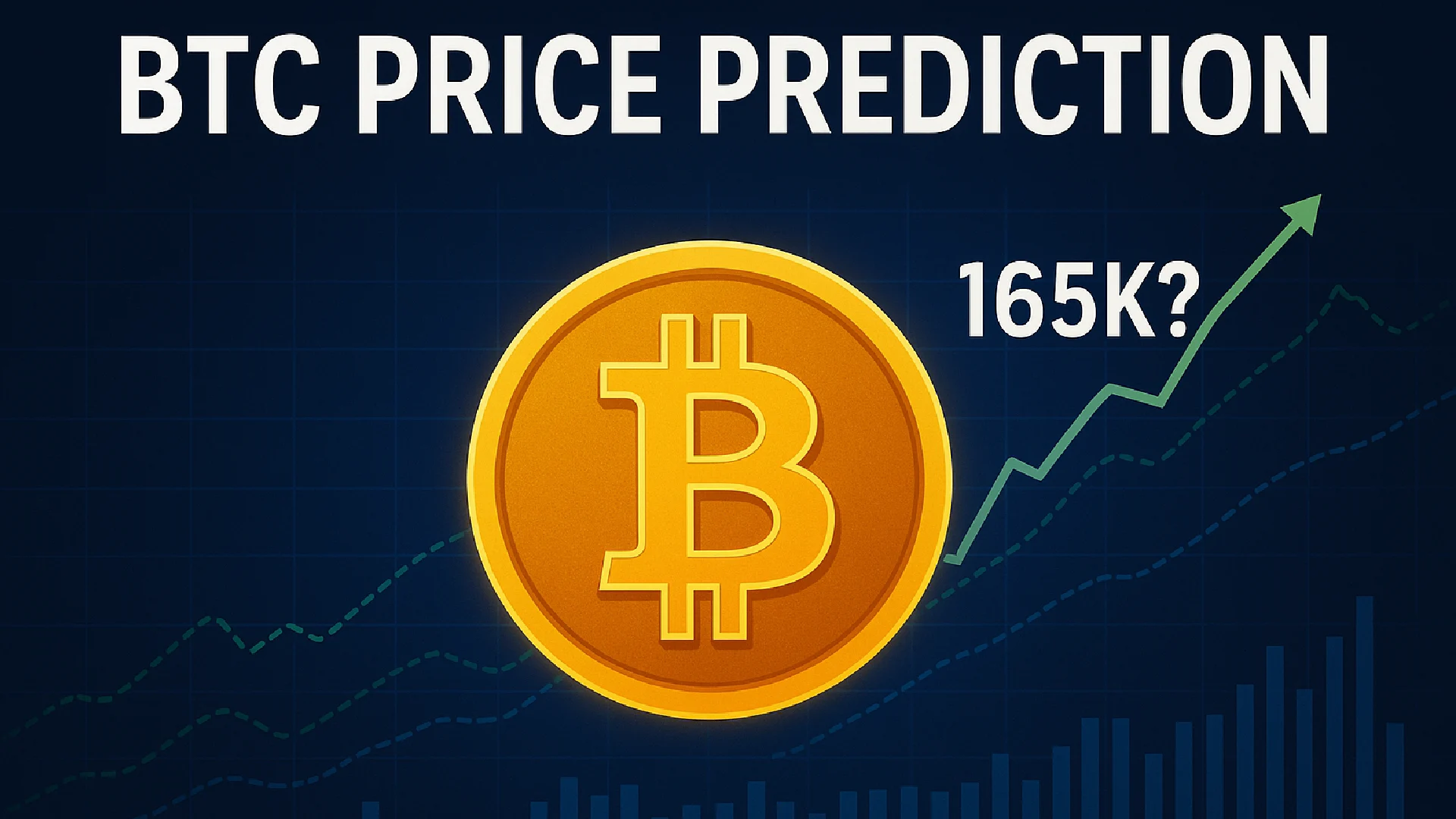
Experts suggest that Bitcoin’s price in 2026 will show steady growth driven by increasing institutional adoption and broader acceptance of blockchain technology. With more countries and corporations integrating Bitcoin into their financial systems, Bitcoin could experience a more stable and upward trend by 2026, attracting both retail and institutional investors.
While predictions vary, the long-term outlook for Bitcoin remains strong, as it becomes a cornerstone of digital finance and a potential store of value.
Several key factors influence Bitcoin’s price, and understanding these drivers can help frame realistic expectations for its future. Some of the primary influences include:
Market Supply and Demand: Bitcoin has a fixed supply (21 million coins), which creates scarcity. As more people adopt Bitcoin, its value typically increases due to this limited supply.
Institutional Adoption: More banks, corporations, and institutional investors are integrating Bitcoin into their financial portfolios. This trend helps stabilize its price over the long term.
Regulatory Clarity: Clear, fair regulations will provide security for investors, promoting institutional interest and retail adoption. Uncertainty or adverse regulations may introduce short-term volatility.
Technological Advancements: Innovations such as Layer 2 solutions, improvements in transaction speed, and scalability will enhance Bitcoin's functionality and appeal as a global currency.
Macroeconomic Conditions: Factors like inflation, economic instability, and changes in global monetary policy often lead to increased interest in alternative assets like Bitcoin.
Looking ahead to 2030, Bitcoin is expected to continue its evolution into a global store of value, similar to digital gold. As blockchain technology and Bitcoin’s role in decentralized finance (DeFi) grow, Bitcoin could become a more stable asset, with widespread institutional use and adoption.
While Bitcoin's price may fluctuate in the short term, its long-term outlook remains positive, with the potential for further integration into global financial systems and increasing use cases in daily transactions.
Experts use various methods, including on-chain analytics, historical price data, and market sentiment analysis, to predict Bitcoin’s long-term trends. These models rely on fundamental analysis rather than short-term price guessing. While predictions are never 100% accurate, they provide valuable insights into Bitcoin's future direction.
Bitcoin remains the dominant cryptocurrency. However, comparing it with other digital assets like Ethereum, Solana, and Polkadot can help us understand broader trends in the cryptocurrency market. Bitcoin often sets the pace for altcoins, influencing their price movements.
While Bitcoin remains the most trusted and secure cryptocurrency, other projects continue to innovate and contribute to the overall blockchain ecosystem.
To understand the whole crypto world, you can also read about:
All of these connect with Bitcoin price prediction and help explain how digital assets work together. Bitcoin remains the main focus of all these forecasts.
Bitcoin’s adoption continues to grow globally, influencing its price stability. As more people use Bitcoin for payments, savings, and investments, the market will likely see more stability and long-term growth.
The psychology of Bitcoin investors, including fear, greed, and trust, also plays a significant role in price movements. As confidence in Bitcoin’s value strengthens, its price becomes more stable over time.
Bitcoin’s underlying technology continues to evolve. Faster payments, privacy improvements, and enhanced scalability ensure that Bitcoin remains relevant in a growing financial ecosystem. These developments increase the reliability of Bitcoin price predictions and signal continued growth in the long term.
This page contains information for informational purposes only and should not be considered as financial or investment advice. The value of Bitcoin and other cryptocurrencies is highly volatile and can fluctuate significantly. Always do your own research (DYOR) before making any investment decisions. Bitcoin investments carry high risks, and you should only invest what you can afford to lose.
The information provided here reflects market trends and insights based on current data and expert opinions, but no prediction is guaranteed. Cryptocurrency investments are speculative, and past performance is not indicative of future results.
Owned by:-
DCG Tech FZCO, UAE
Delivery Partner:-
Gabbar MediaTech Pvt Ltd.
Copyright © 2025 Coin Gabbar. All Rights Reserved.