BRICS Digital Currency Link: A Game-Changer for the World Economy

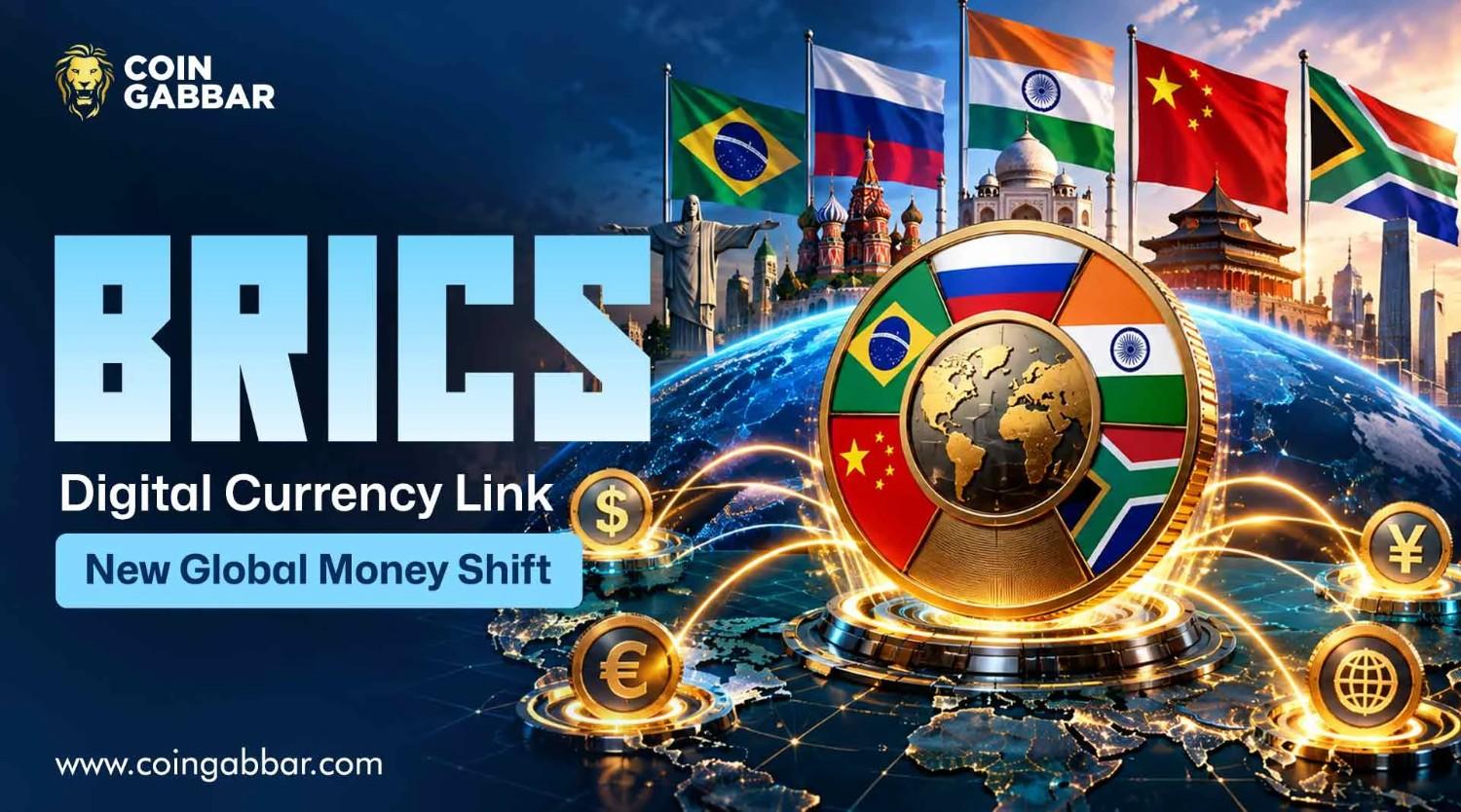
BRICS Digital Currency Link: Why Countries Are Launching It Now
Something big is brewing in global finance, and BRICS Digital Currency is right at the heart of it. Brazil, Russia, India, China, South Africa, and a few newer members make up the BRICS group, and together they've been kicking around the idea of a shared digital currency.
Why? Mostly to break away from leaning so heavily on the US dollar. People now call this idea BRICS Digital Currency, and the plan is to make trade between member countries faster, cheaper, and less dependent on outside currencies.
As economic power slowly moves around the globe, it's worth knowing what BRICS Digital Currency actually is and why so many people are talking about it.
What Is BRICS Digital Currency
Put simply, BRICS Digital Currency is a digital payment system built on the combined strength of BRICS economies. It's not tied to one country the way normal currencies are.
Instead, it's meant to work across several economies at once. The whole point is to trade, letting member nations pay each other without running everything through the US dollar first, since the dollar has basically run the show for decades.
By building this shared digital tool, BRICS countries are hoping to take back a bit more control over their own financial futures.
Key Features of BRICS Digital Currency
A few things set BRICS Digital Currency apart. Firstly, it is supposed to be based on blockchain technology or something similar, ensuring security and traceability of each transaction.
Secondly, using this currency will allow countries to trade between themselves without changing their currency into dollars.
There's also talk of a basket-based value model, meaning its worth wouldn't come from just one currency but from a mix of member currencies or maybe even gold.
Put all that together, and BRICS Digital Currency starts to look like a genuine alternative to how payments work today.
How BRICS Digital Currency Works
Nobody's nailed down the exact mechanics yet, but the basic idea behind BRICS Digital Currency is a shared digital platform where countries can settle payments directly with each other.
So instead of turning Brazilian reais into dollars and then into Chinese yuan, BRICS Digital Currency would let the two currencies settle directly.
That cuts out a lot of dependence on outside banking systems and lowers the risk of trade getting disrupted by sanctions. Central banks in BRICS countries are already said to be running pilot tests to figure out how BRICS Digital Currency would actually function day to day.
A New Global Money Shift
BRICS Digital Currency isn't just another financial gadget; it's a sign of something bigger happening in global power.
The US dollar has held the top spot in trade and reserves for decades now. But because the BRICS countries make up a huge share of the world’s population and production, the introduction of the BRICS Digital Currency can be considered as shifting the economy into multipolarity instead of a single-currency economy.
Game Changer for the Global Economy
Many specialists believe that the BRICS Digital Currency has the potential to truly turn the tables around.
If it works the way it's supposed to, developing countries might get more room to negotiate trade deals and worry less about dollar-based sanctions hurting them.
Smaller economies that do a lot of business with BRICS nations could benefit too, since BRICS Digital Currency promises simpler, cheaper transactions. That's exactly why analysts and policymakers are keeping such a close eye on it.
Why Countries Are Launching It Now
The timing isn't random. BRICS Digital Currency is coming up now largely because of recent sanctions, rising inflation, and a general desire among emerging economies to stand on their own two feet financially.
A lot of countries are tired of how much their trade depends on the dollar, especially when political tensions flare up. Building BRICS Digital Currency is basically their way of shielding themselves from outside pressure and creating a financial network that doesn't rely on anyone else.
Risks Associated with BRICS Digital Currency
Of course, it's not all smooth sailing. BRICS Digital Currency comes with real risks. Getting countries with very different economic systems to agree on monetary policy is genuinely hard.
Some of the obstacles that might arise from implementing this strategy include trust issues, disparities in inflation rates, and politics. One of the risks associated with this proposal is cybersecurity, where once compromised, many economies are affected at the same time.
Moreover, without proper regulations, the BRICS Digital Currency may encounter resistance from traditional financial organizations.
Facts about BRICS Digital Currency
Here is the current situation: BRICS Digital Currency is still in the phase of discussion and experimentation.
BRICS has added new members in recent years, all of them interested in cutting dollar dependency.
Central banks have held several summits specifically to hash out how BRICS Digital Currency would work, but no official launch date has been set yet.
What's Next for BRICS Digital Currency
Where this goes next really depends on how well BRICS countries can get on the same page economically.
More summits and pilot projects are expected before the final shape of BRICS Digital Currency comes together.
Most analysts think a slow rollout starting with trade settlements between just a couple of member nations is far more realistic than flipping a switch and launching BRICS Digital Currency everywhere at once.
Global Impact of BRICS Digital Currency
If BRICS Digital Currency actually gains traction, the ripple effects could be significant. More regional blocs could begin experimenting with such systems for themselves, thereby continuing to whittle away at the dollar’s supremacy.
For the international financial system itself, it may become necessary to adapt to an environment where more than one key currency holds sway.
Conclusion
BRICS Digital Currency has become one of the most talked-about ideas in modern economics, and for good reason.
It touches everything from reducing dollar dependency to the tricky business of getting multiple economies to cooperate.
While BRICS continues to experiment and fine-tune this concept, the world is watching intently to see how BRICS Digital Currency will shape international trade and financial practices in the end.
Disclaimer
This article is for general informational purposes only and does not constitute financial, investment, or legal advice. BRICS Digital Currency remains a developing concept, and details mentioned here are based on publicly available information and expert commentary, which may change over time. Readers should conduct their own research and consult a qualified financial advisor before making any investment or financial decisions.
Also read: