5 Best Crypto Wallets in February 2026: Secure Pick for Beginners

Best Crypto Wallets in February 2026: Choose the Safest Wallet Now
Cryptocurrencies are growing in popularity in 2026, and a crypto wallet is a must-have for anyone working with digital assets. Transferring your salary, trading tokens, or investing in NFTs, a good crypto wallet keeps your funds safe and accessible.
There are so many wallets to choose from that it can be difficult to determine which is best, but the most popular wallets provide security, user-friendliness, and flexibility. Here's our rundown of the best crypto wallets in February 2026, the functionalities and benefits of each wallet, their pros and cons, and how to choose the right one for you.
Best Crypto Wallets in February 2026
Here’s a snapshot of the best wallets currently available:
Wallet | Type | Supported Coins | Fees | Staking/DeFi Support |
Coinbase Wallet | Hot / Non-custodial | 18,000+ | Network fees + 1–5% for card purchases | Yes |
Ledger | Cold / Non-custodial | 15,500+ | From $79 | Yes |
Zengo | Hot / Non-custodial | 1,000+ | 0.99–5.5%; Pro $19.99/month | Yes |
MetaMask | Hot / Non-custodial | 500,000+ | Network fees; ~0.875% swaps | Yes |
Best Wallet | Hot / Non-custodial | 1,000+ | Network-dependent | Yes |
Coinbase Wallet (Now Base App) – Best for Exchange Integration
Supported Cryptocurrencies: 18,000+
Networks: Ethereum, Solana, Arbitrum, Base, Polygon
Platform: Desktop & Mobile
User Ratings: 3.8/5 (Google Play), 4.7/5 (App Store)
Coinbase Wallet is a self-custody wallet for anyone who wants the best of the Coinbase exchange and the security of their own self-custody wallet. It’s a multi-network wallet with support for Bitcoin, Ethereum and other networks. You can also add your own custom networks for experienced users.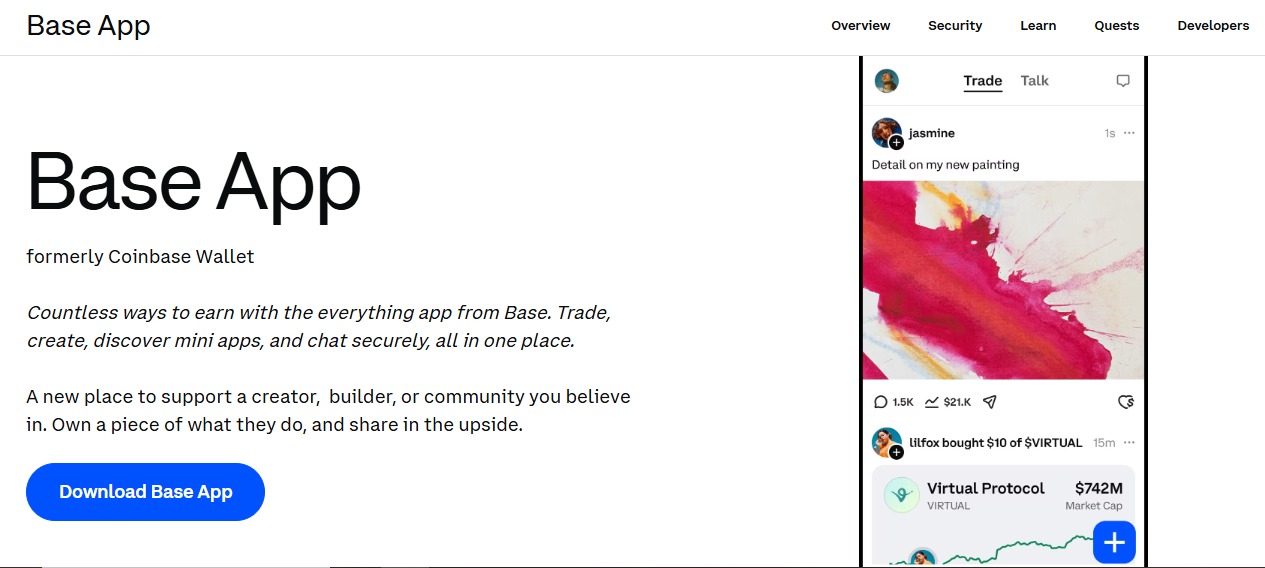
Key Features
Easy integration with Coinbase accounts for quick transfers
Built-in DEX & advanced token swaps with the ability to set custom slippage and gas
Improved security tools, including token approval alerts, spam token blocking, and dApp blocklists
Pros
Integration with Coinbase is smooth.
It’s available on multiple networks and can be connected to Ledger devices.
The built-in token swap is quite advanced.
Cons
Withdrawals are occasionally slow.
The customer service is inconsistent.
Manually adding the networks is confusing for newbies.
Ledger Wallet – Best Cold Storage Option
Supported Cryptocurrencies: 5,500+
Networks: 50+
Price: From $79
Platform: Desktop & Mobile (Nano S Plus is desktop-only)
User Ratings: 3/5 (Google Play), 4.9/5 (App Store)
Ledger is one of the most secure cold wallets available, as its CC EAL5+ certified Secure Element chip ensures that the private keys stay offline and protected from both online and physical attacks. Ledger offers Nano S Plus, Nano X, Flex, and Stax devices, depending on your needs (Bluetooth, touchscreens, etc.).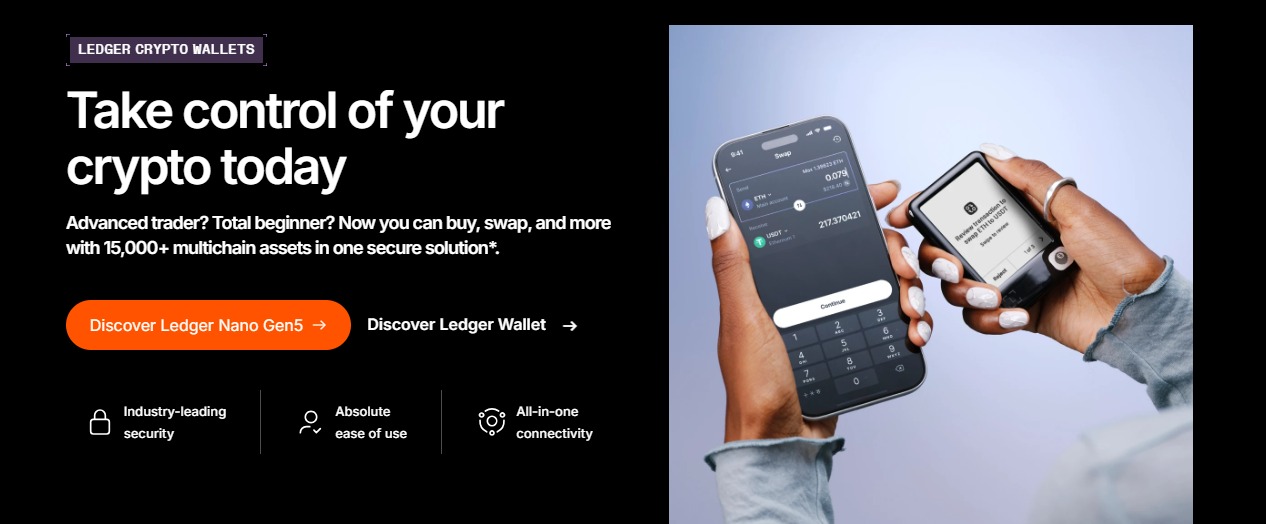
Key Features
Ledger Academy: Learn the basics of blockchain and cryptocurrency
Ledger Live App: Manage your assets, access DeFi, stake your tokens, and handle NFTs
Advanced Security: Firmware integrity checks, optional passphrase protection
Pros
Private keys stay fully offline
Supports 15,500+ cryptocurrencies on 50+ networks
Staking, portfolio management, and NFTs via the user-friendly app
Multiple device options, including touchscreens and Bluetooth
Cons
Software is not fully open source
More expensive than most hardware wallets
Customer support is sometimes slow
Zengo Wallet – Best for Beginners
Supported Cryptocurrencies: 1,000+
Networks: 14
Platform: Desktop & Mobile
User Ratings: 4.1/5 (Google Play), 4.7/5 (App Store)
Zengo is great for people new to crypto. With Multi-Party Computation (MPC) instead of private keys, your access is split between your device and Zengo’s servers, lowering the chance of losing access to your funds and allowing for easy recovery.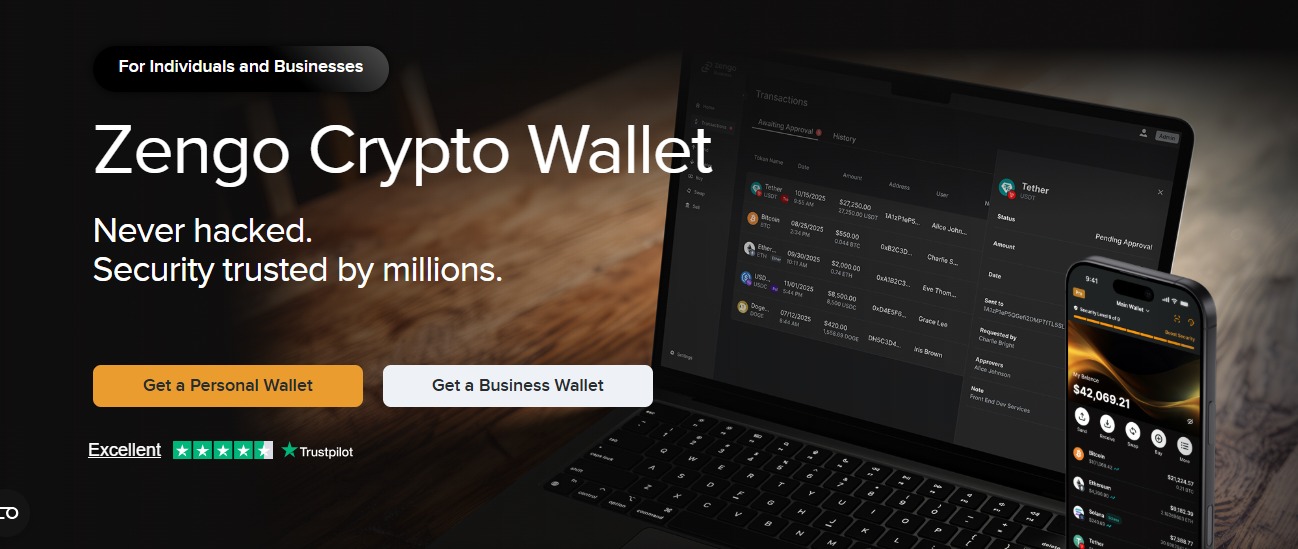
Features
MPC security without seed phrases.
Fast setup with recovery kit and 3D Face Lock.
Staking, exchange, and 24/7 support built in.
Pros
No seed phrases or private key risks.
User-friendly interface.
Buy, sell, and swap crypto in the app.
Biometric login and three-factor auth.
Cons
Not all blockchains are currently supported (Cardano is one)
Higher card purchase and in-app exchange fees.
MetaMask – Best Web3 Wallet
Supported Cryptocurrencies: 500,000+
Networks: Ethereum (primary)
Platform: Mobile & Desktop via browser extension
User Ratings: 4.5/5 (Google Play), 4.7/5 (App Store)
MetaMask is one of the top non-custodial hot crypto wallets known for Ethereum and EVM chains with browser extensions and mobile apps. It works with DeFi platforms, NFTs, and swaps, making it a popular choice for Web3 users. Simple to get started, but best suited for small balances due to online risks
Key Features:
Snaps Support: Enable third-party features and interact with non-EVM networks.
Built-in Swaps & Staking: Exchange tokens and earn rewards directly in the wallet.
Hardware Wallet Support: Supports Ledger and Trezor for added security.
Pros:
Supports thousands of dApps.
Regular updates and security patches.
Does not have any issues with transactions success rate.
Cons:
Some features only available via web app
Limited functionality for mobile app and browser extension
Best Wallet – Best Mobile Wallet for Presales
Supported Cryptocurrencies: 1,000+
Networks: 60+
Platform: Mobile (iOS & Android)
User Ratings: 4/5 (Google Play), 4.5/5 (App Store)
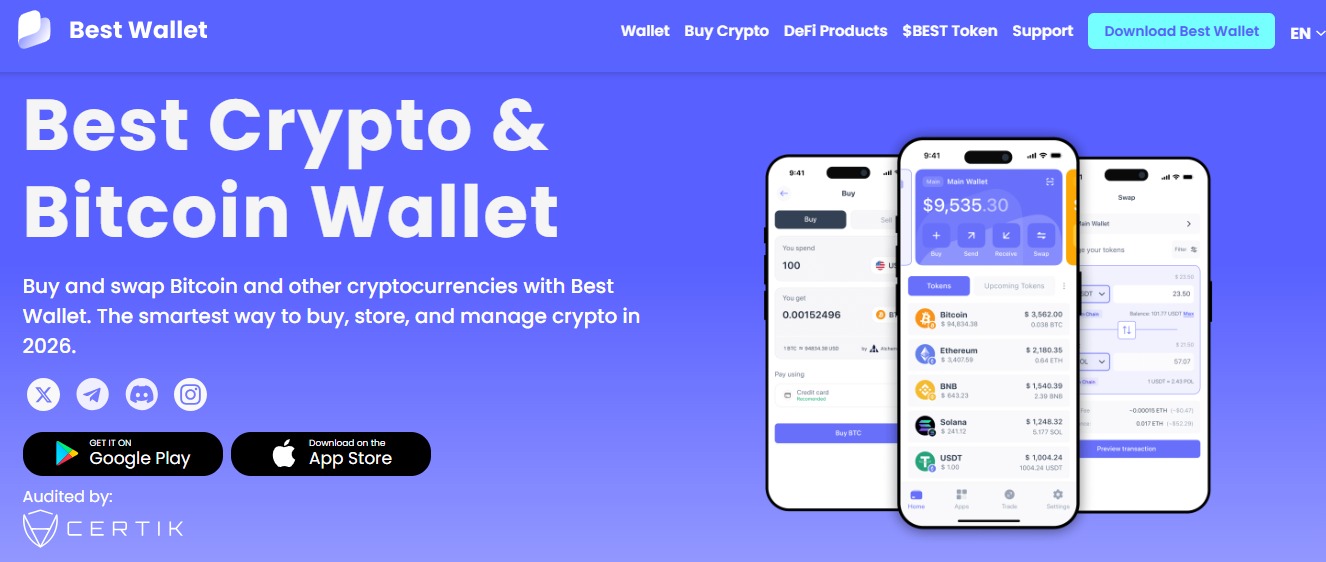
Best Wallet is ideal for mobile users looking for a sleek interface and early crypto presale. It has a presale dashboard and built-in DEX for 1,000+ crypto assets. MPC, 2FA, biometric login and CertiK audit ensure the best security.
Features:
Presale Dashboard: Get early access to promising tokens.
Built-in DEX: Buy and sell coins on 60+ blockchains.
Security: End-to-end encryption and third-party audits.
Pros:
1,000+ assets in 60+ blockchains.
Buy crypto and credit cards in-app.
Strong security audits.
Access upcoming presales exclusively.
Cons:
Browser extension still being built.
No native staking.
What Is a Crypto Wallet?
A crypto wallet is a software application that enables you to store, send, receive, and manage cryptocurrencies such as Bitcoin and Ethereum. It is used to host, send, receive, and store cryptocurrency. A wallet can be a mobile app, a desktop software program, or a physical device. A crypto wallet does not actually contain your crypto; rather, it stores your private keys—your passkeys to your crypto on the blockchain. A crypto wallet enables you to pay, trade tokens, and access blockchain apps. It’s essential to keep your wallet secure. Anyone who has access to your private keys can control your funds.
Crypto wallets come in two main types: hot wallets and cold wallets.
Cold Wallet (Hardware Wallets): These are offline devices that store your private keys securely, protecting your funds from online hacks. They are ideal for long-term storage or holding significant amounts of cryptocurrency.
Hot Wallet (Software Wallets): Connected to the internet, hot wallets are designed for quick transactions, trading, and staking. They are highly convenient but come with a higher exposure to cyber risks.
When choosing a wallet, consider your crypto habits: prioritize security for long-term holdings and convenience for active trading.
Conclusion
The best crypto wallets are here in February 2026. From newcomers to seasoned traders, Coinbase Wallet offers easy exchange integration. Ledger offers the best security for long-term storage. Zengo makes crypto easy for beginners. MetaMask is the go-to wallet for Web3 interactions. And Best Wallet gives you access to presales in early stages.
Disclaimer: This article is for informational purposes only and does not constitute financial or investment advice; always do your own research and understand the risks before using or investing in cryptocurrencies or crypto wallets.
Also read:







.webp)