InterLink INS App: Everything You Need to Know About the New Launch

InterLink INS App: How It Works and What Users Can Expect
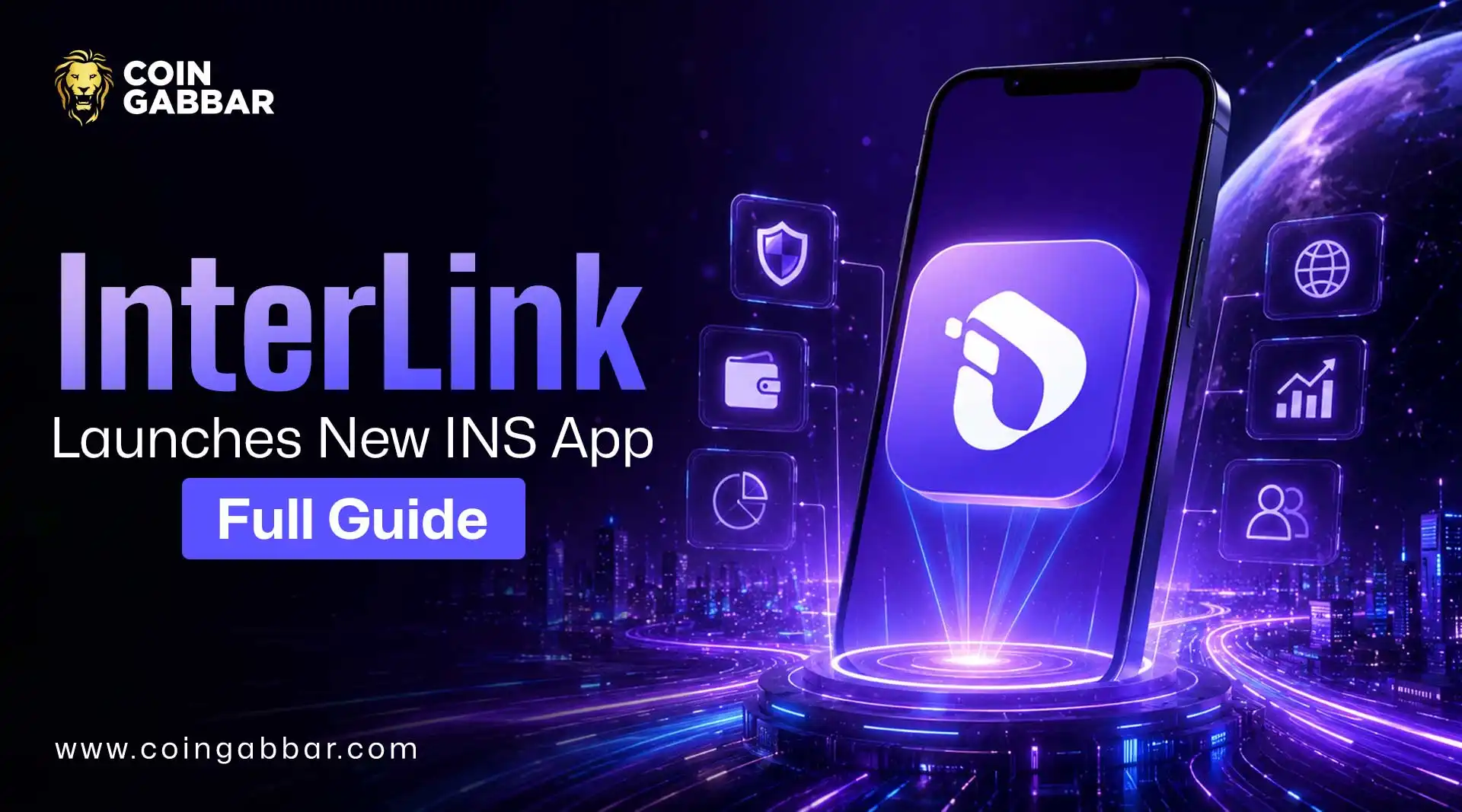
InterLink has confirmed its next app launch: INS, the InterLink Name Service. It's arriving as a Mini App inside the existing InterLink app, giving every user a way to swap long wallet addresses for simple, ownable names ending in ".itl."
This blog covers what's launching, the full feature set, and exactly how to access and use the INS app once it's live.
What's Launching: INS App Overview
INS is a decentralized naming protocol built directly on InterLink Chain. The app lets you search for and register a human-readable name, something like "zane.itl," instead of sharing a long string of letters and numbers every time you want to receive crypto.
Each name registered through the app is minted as an IRC-721 non-fungible token. That's what makes it a real asset rather than a rented username, it can be held, transferred, or sold like any other NFT.
The app itself sits inside InterLink's Mini Apps section, meaning there's no separate app store listing to search for. It runs directly through the main InterLink app you already have installed.
Key Features of the INS App
Here's what the app is built to do once it launches:
Name search and registration: Search for available ".itl" names directly inside the app and register the one you want, generally on a first-come, first-served basis without auctions.
NFT-based ownership: Every registered name is an IRC-721 token, giving verifiable, transferable ownership rather than a temporary rental.
Multi-chain address linking: A single INS name can point to wallet addresses across multiple blockchains, so you don't need a different name for every network.
Content and identity linking: Names can also connect to content hashes for websites or files on decentralized storage, plus personal details like social handles or an email address.
NameWrapper support: Names can be wrapped and represented as IRC-1155 tokens, unlocking "fuses," permission settings that control what can be done with a name.
Subdomain creation: Owners of a domain like "alice.itl" can create unlimited subdomains such as "mail.alice.itl" or "shop.alice.itl," each independently manageable.
Emancipated subdomains: With NameWrapper fuses applied, certain subdomains can be locked so they can't be revoked, even by the parent domain owner.
Forward and reverse resolution: The app can turn a name into an address (forward) or turn an address back into its primary name (reverse), so wallets and other apps can display readable names automatically.
How to Access and Use the INS App
Since INS runs as a Mini App rather than a standalone download, getting started will look like this once it launches:
Open the InterLink app. No separate app store download is needed since INS lives inside the app you already use.
Go to the Mini Apps section. INS will be listed there, alongside InterLink's other in-app tools.
Connect a compatible crypto wallet. This is required before registering any name.
Search for a name. Type the name you want, and the app will show whether it's available or already taken.
Register with ITL. Registration fees are priced in dollars but paid using ITL, converted at the current rate through on-chain price oracles.
Manage your name. Once registered, you can link addresses, add subdomains, wrap the name for advanced permissions, or transfer ownership entirely.
There's no confirmed launch date yet, so this flow is based on what's been shared ahead of release. Once the app goes live, the safest way to register is directly through InterLink's official app and official channels, since copycat sites are common around new crypto product launches.
How INS Works Behind the Scenes
INS follows a hierarchical structure. At the top are top-level domains like ".itl," each managed by smart contracts called registrars that set the registration rules.
Below that sits the INS registry, a central smart contract tracking who owns which domain, along with resolver assignments and cache settings. Resolvers are the contracts that actually translate a username into a usable address or linked data.
Governance won't stay centralized either. Once live, it is set to be handed to InterLink DAO, which will oversee the INS root and manage future protocol decisions through community voting.
Pricing and Renewal
Registration fees are set in dollar terms but paid in ITL, with on-chain price oracles converting the dollar price to the current ITL amount at the time of payment. That keeps the real-world cost stable even if ITL's market price shifts.
Names with five or more characters are expected to cost just a few dollars per year. Shorter names, three to four characters, will cost more due to scarcity.
Domains will require periodic renewal, with a grace period after expiration before an unrenewed identity becomes available for someone else to register.
Why This App Launch Matters for ITL
A naming app might sound like a small feature, but it creates a genuine, repeatable use case for ITL. Every registration and renewal requires spending the token, which is a more concrete form of utility than simply holding or staking it.
For a project that's faced questions about real-world use cases, tying a practical, everyday app like INS directly to token spending is a meaningful addition to the ecosystem, even while the launch itself is still pending.
Current Status
INS is confirmed as "coming soon" through InterLink's Mini Apps section. No exact launch date, final pricing table, or full tokenomics breakdown has been released yet.
Anyone interested in registering early should rely only on official InterLink app updates and verified channels, rather than third-party sites claiming early access ahead of the real launch.
Conclusion
The INS app launch brings human-readable ".itl" names to InterLink Chain, replacing long wallet addresses with something easier to search, register, and manage directly inside the InterLink app. Between NFT-based ownership, multi-chain address linking, flexible subdomain permissions, and a direct tie to ITL spending, it's shaping up to be one of the more practical additions to the ecosystem so far.
Since the app hasn't launched yet, the real test will come once registration opens and users start actually claiming and using ".itl" names.
Disclaimer
This article is for informational purposes only and does not constitute financial or investment advice. App features, pricing, and launch timelines described here are based on pre-launch information and may change before official release. Always verify details through official InterLink channels and conduct independent research before participating in any crypto-related app or purchase.
Also read: