ITLG Staking Mechanism Explained: Full InterLink Staking Guide

Can the ITLG Staking Mechanism Boost Long-Term Rewards?
The crypto community is currently paying close attention to the ITLG Staking mechanism after InterLink DAO Proposal 16 officially finalized the new staking and conversion model for the ecosystem.
This update is important because it directly affects how users convert ITLG into ITL, how rewards work, future circulating supply, and the long-term sustainability of the InterLink ecosystem.
Many users were confused by the lock periods, vesting schedules, and reward ratios. This guide explains everything in very easy language so anyone can understand how the system works before making a decision.
According to the official update shared by InterLink Labs and details available on the official InterLink website, the DAO community selected “Option 2 – Balanced Growth” as the final staking model.
What Is the ITLG Staking Mechanism?
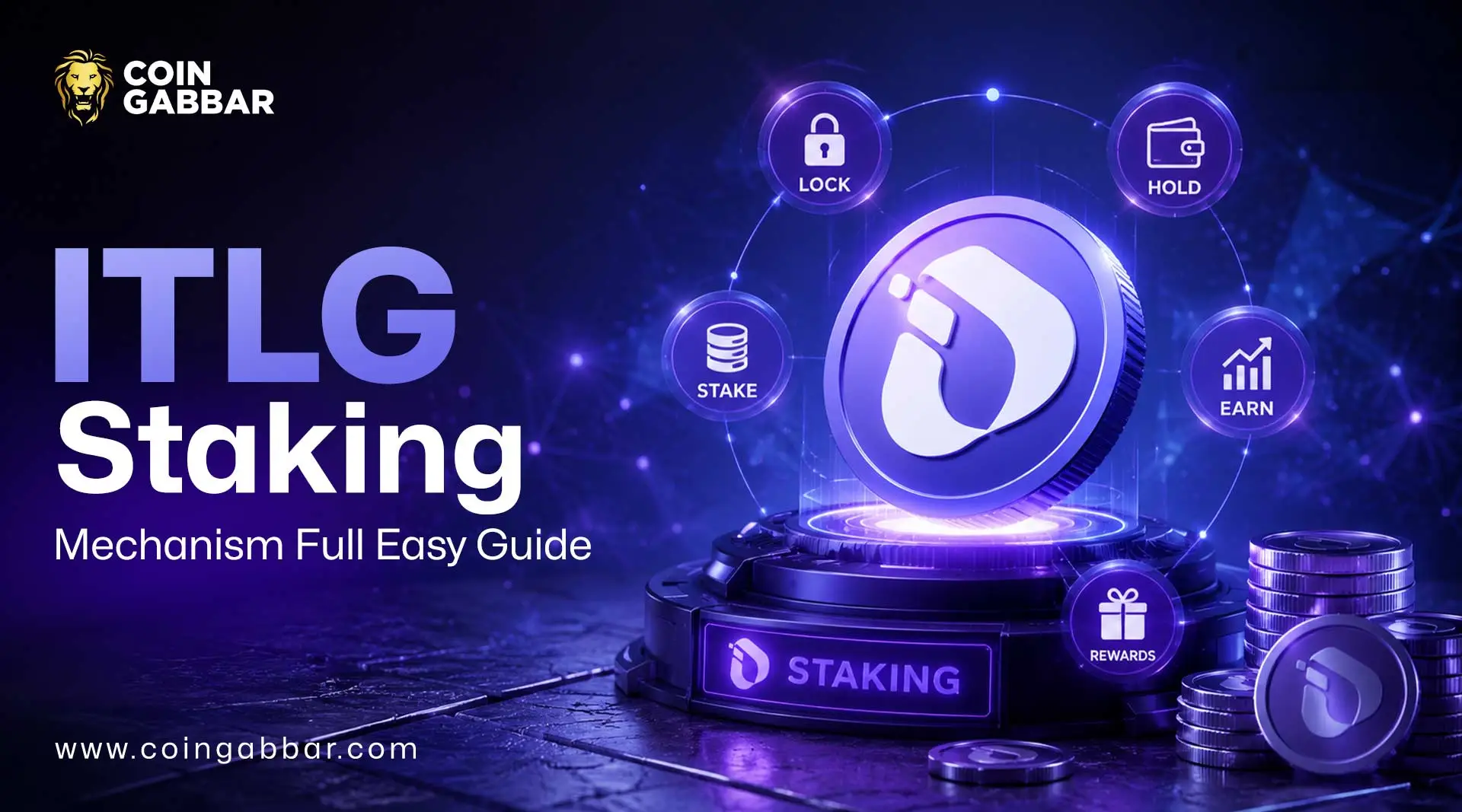
The ITLG Staking mechanism is the official system that allows users to convert their ITLG tokens into ITL tokens through different lock and vesting combinations.
This mechanism was introduced as part of InterLink's broader shift toward a usable, transaction-ready token economy. Instead of simply airdropping or unlocking ITL all at once, the project chose a gradual, commitment-based release process, so that supply enters the market in a controlled way rather than all at once.
In simple words:
Users choose how long they want to lock their tokens
Users also choose how long rewards will be released over time
Longer commitment gives better conversion ratios
Shorter commitment gives lower rewards but faster access
This system was designed to balance:
Ecosystem growth
Long-term scarcity
Supply control
Protection from price manipulation
InterLink Network says the model was created with support from machine learning simulations, but the final decision was made by the DAO community through voting.
What Did DAO Proposal 16 Decide?
The final community vote selected Option 2 (Balanced Growth).
This model creates a middle ground between:
Very high token scarcity
Healthy ecosystem expansion
The goal is to avoid flooding the market with tokens while still allowing enough supply for payments, transactions, and ecosystem growth.
This update is now becoming a core part of the future ITL tokenomics strategy as InterLink moves closer to its mainnet launch.
Important Rule: Your ITLG Stays in Your Wallet
One major detail many people misunderstood is this:
Your ITLG never leaves your wallet.
Only the converted ITL follows the selected lock and vesting schedule.
This means:
Your original ITLG remains visible
Your staking setup becomes locked inside the smart contract
Nobody can change the payout schedule later
This rule is important because it gives users transparency and predictable rewards.
Understanding ITLG Lock Period and Vesting Schedule
The system has two parts:
Feature | Meaning |
Lock Period | Time before payouts begin |
Vesting Period | Time over which payouts are released |
Longer lock periods and longer vesting schedules provide much better conversion ratios.
This is where the new ITLG staking guide becomes important for decision-making.
Example:
Short-term users receive fewer ITL tokens
Long-term users receive significantly higher rewards
This structure encourages long-term ecosystem participation instead of short-term selling pressure.
Real Examples of ITLG to ITL Conversion
Here are simplified examples based on 100,000 ITLG.
Example 1: No Lock, Faster Access
Setting | Value |
Lock Period | 0 Years |
Vesting | 60 Months |
Ratio | 60 ITLG = 1 ITL |
Estimated Reward | ~1,667 ITL |
Rewards start immediately
Around 28 ITL released monthly
Lower rewards but instant access
This option may attract users who prefer flexibility.
Example 2: Medium-Term Strategy
Setting | Value |
Lock Period | 2 Years |
Vesting | 36 Months |
Ratio | 21.25 ITLG = 1 ITL |
Estimated Reward | ~4,706 ITL |
Rewards begin after 2 years
Around 131 ITL released monthly
Better balance between waiting time and reward size
This option reflects the “Balanced Growth” philosophy chosen in the DAO vote.
Example 3: Maximum Long-Term Reward
Setting | Value |
Lock Period | 5 Years |
Vesting | 60 Months |
Ratio | 1.875 ITLG = 1 ITL |
Estimated Reward | ~53,333 ITL |
Highest reward potential
Payout begins after 5 years
Around 889 ITL released monthly
This option strongly supports long-term scarcity and future ecosystem stability.
The ITLG Staking mechanism clearly rewards users who commit for longer periods.
Can Users Create Multiple Staking Positions?
Yes.
Users can split their holdings into different strategies.
For example:
50% for long-term staking
50% for shorter-term access
This flexibility is a major advantage of the new InterLink ITLG staking model because users can manage risk based on their own goals.
What Happens to Existing vITLG Tokens?
InterLink confirmed that:
vITLG and ITLG are treated the same
Existing holdings will migrate fully
Migration will happen in multiple phases
This means users do not lose ownership during the transition.
Why the ITLG Mainnet Update Matters?
The upcoming ITLG mainnet update is one of the biggest reasons the staking system is receiving attention.
Mainnet launches often affect:
Token demand
Ecosystem activity
Liquidity
Long-term price expectations
Because of this, many investors are now researching:
ITLG staking rewards
ITLG price potential
Long-term supply impact
Token Vesting models
The staking structure may play a major role in controlling future circulating supply.
How the ITLG Staking Calculator Concept Works?
Many users are searching for an ITLG staking calculator because rewards vary heavily depending on:
Lock duration
Vesting period
Token amount
The general rule is simple:
Longer commitment = Better conversion ratio
However, users should also consider:
Liquidity needs
Risk tolerance
Long-term market outlook
Choosing the best setup depends on individual strategy.
Final Thoughts
The new ITLG Staking mechanism is more than just a staking system. It is becoming the financial foundation of the InterLink ecosystem.
The DAO community selected a model focused on:
Sustainable growth
Controlled supply
Ecosystem expansion
Long-term scarcity
Unlike many crypto projects that release large token supplies quickly, InterLink is attempting to create a more balanced structure through lock periods and vesting schedules.
For long-term believers in the ecosystem, the higher reward ratios may look attractive. At the same time, users who want flexibility still have lower-lock options available.
As the InterLink ecosystem moves closer to mainnet launch, the staking model will likely remain one of the most important topics for investors and community members.
Disclaimer:
This article is for informational and educational purposes only and should not be considered financial advice. Cryptocurrency investments involve risk, volatility, and uncertainty. Always do your own research before making any investment or staking decision.