How LinkersMap LMP Token Turns Business Activity Into Digital Value?

Can Real Business Activity Influence Ecosystem Growth?
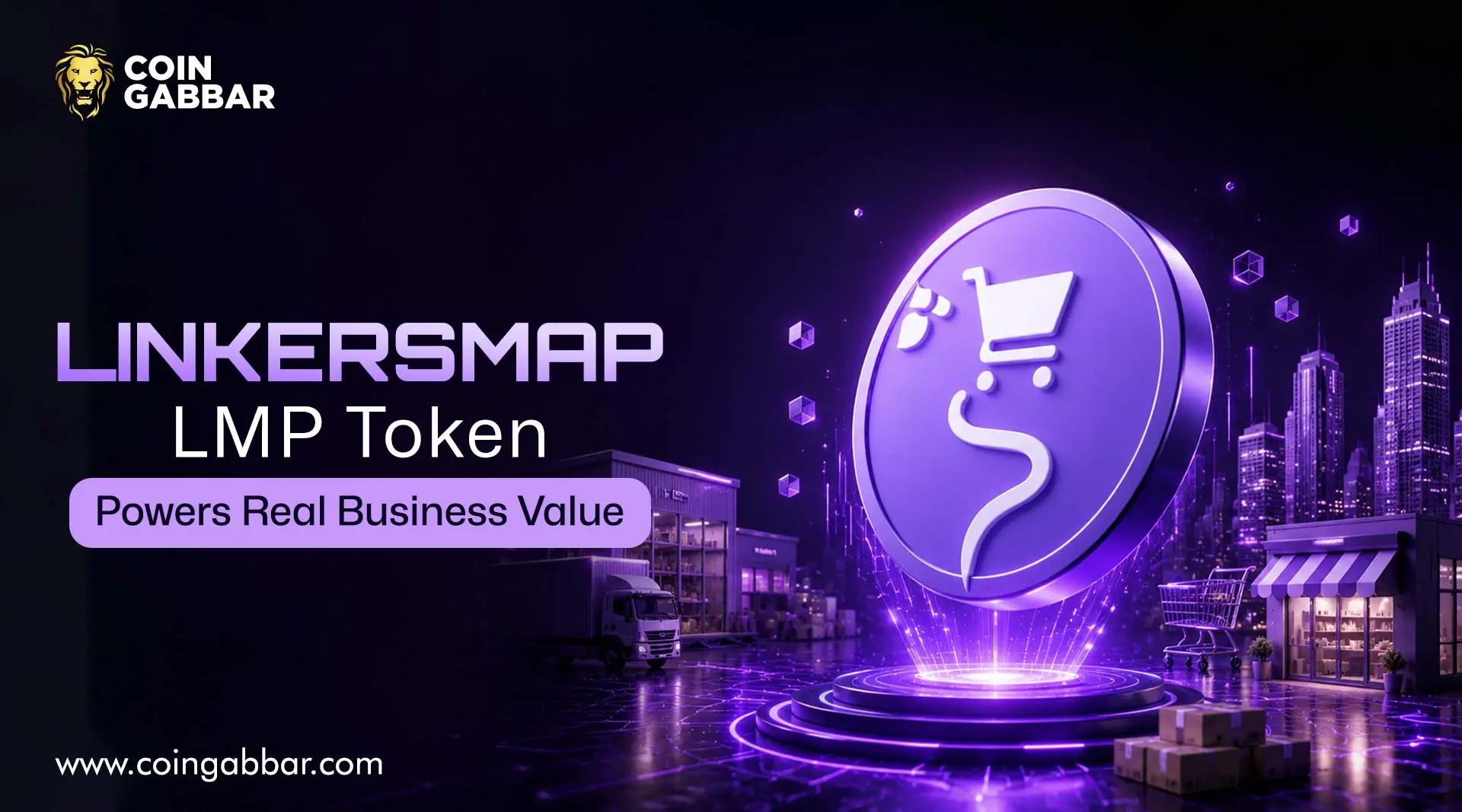
You see many tokens with big promises. LinkersMap LMP token works differently. It rewards actual business activity.
LinkersMap runs a Web3 marketplace. Stores sell products. You find items from verified sellers across countries.
The Linkersmap business token connects shopping to rewards. You earn when you buy, sell, or help grow the platform.
What makes LMP token special?
Most coin rely on hype. LMP token ties value to real use. Merchants list products. Buyers shop. Activity generates rewards.
This creates a loop. More businesses mean more demand for the coin. You see direct links between sales and coin utility.
LinkersMap LMP coin powers this system. It lives on the Interlink Chain. This chain focuses on real-world assets and payments.
How do you earn with LMP?
You shop on the marketplace. Pay with supported tokens. Earn rewards for activity.
Merchants stake tokens. They unlock better visibility. Customers leave ratings. Everyone contributes.
The model rewards effort. Not just holding. This feels fair to new users.
Interlink Chain Dapp like Linkers Map shows practical Web3 use. You buy goods. You earn digital assets. Everything stays on chain.
Token supply and rewards
Total supply sits at 100 million LMP tokens. This fixed number supports scarcity.
Sixty percent goes to merchant, user, and platform rewards. This big share fuels activity.
Core team holds 15%. Vesting keeps them aligned long term.
Other slices cover partnerships, community growth, and development. You see a balanced plan.
This structure encourages growth. Rewards flow to active participants first.
What can you buy on LinkersMap?
The platform lists real products. You find retail items, food, tech, and more.
Stores operate from Nigeria, Togo, Indonesia, and other places. Prices show in ITL or similar coin.
You browse by category, country, or proximity. The map feature helps you discover nearby options.
Web3 marketplace features make shopping simple. Verified stores build trust. You track orders easily.
How does it connect to digital assets?
You turn sales into digital assets. Earned tokens hold value. You use them for staking, fees, or further rewards.
The system bridges physical commerce and crypto. Sell a product. Earn coins. Spend them elsewhere in the network.
LinkersMap platform turns everyday business into on-chain value. This feels new for many first-time users.
Benefits for regular users
-
Shop real goods and earn rewards
-
Discover stores on an interactive map
-
Join a growing Web3 community
-
Stake coins for extra perks
-
Support merchants who accept crypto
These options lower the entry barrier. You don’t need deep crypto knowledge to start.
Future growth potential
Real activity drives the Interlink Chain. More stores join. More buyers come. Token demand can rise naturally.
The team plans further features. Better payments. More integrations. You stay updated through official channels.
Linkersmap business token success depends on adoption. Strong business use supports steady value.
Many wonder if real business activity can influence ecosystem growth. It tests exactly that idea.
Getting started tips
Visit the official site. Browse products. Create an account.
Start small. Buy one item. See how rewards work. Read any available guides.
You can explore the map explorer. Check orders. Manage your profile. Everything stays user-friendly.
LinkersMap LMP token offers a fresh approach. It rewards real commerce. It builds on practical needs.
Ready to try? Head to offical website. Look around. Join the activity.
Disclaimer: This blog uses information from the official website. Crypto involves risks. Do your own research before any investment.