December 2025 Crypto Listing Alert: 5 Tokens Entering Top Exchanges

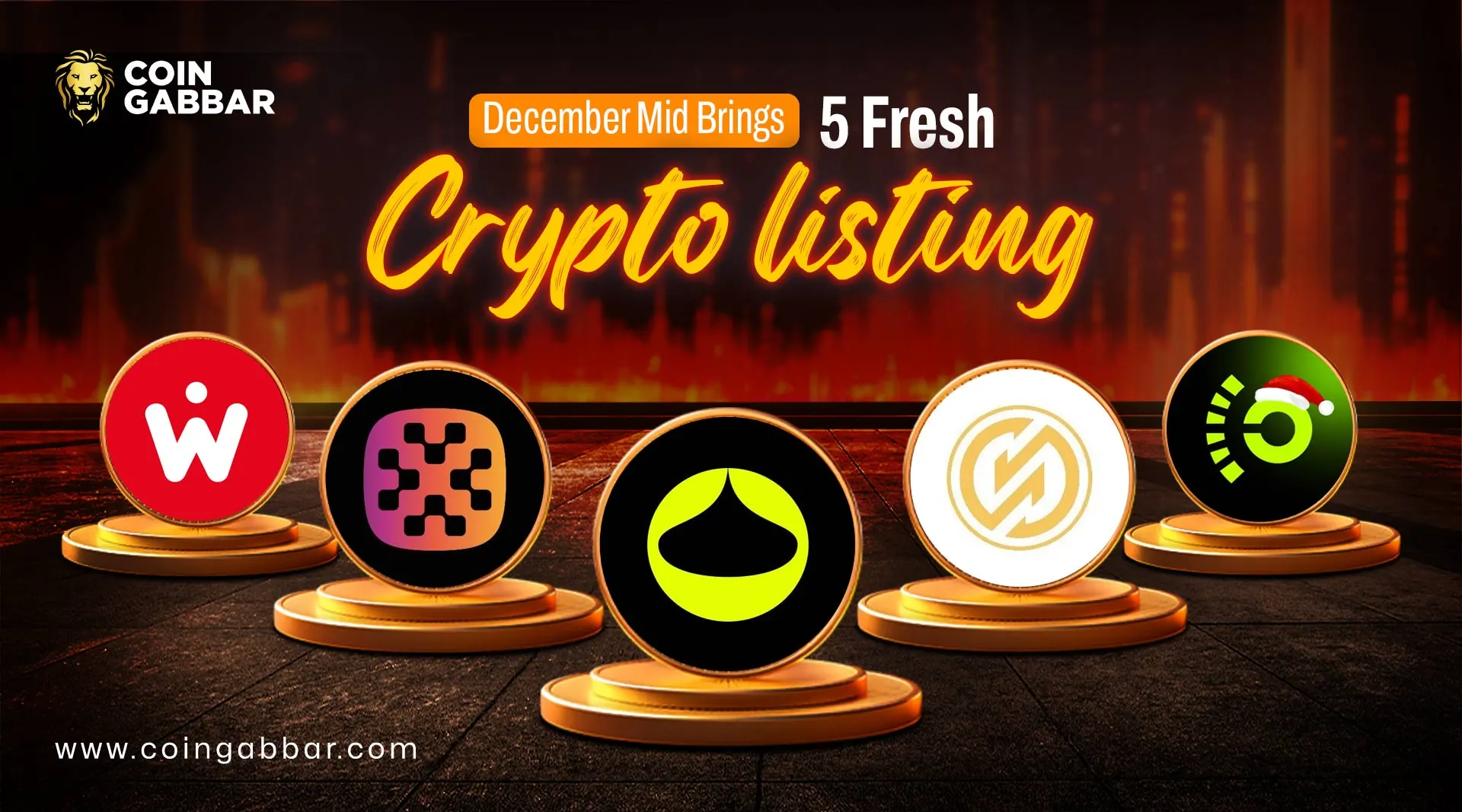
Top 5 Crypto Listing in December 2025: RAIN, GoldZip, IR, MOZ, WECAN
Highlights
Five emerging crypto tokens—Rain Protocol, GoldZip, Infrared Finance, Lumoz, and Wecan—are gaining momentum through major exchange listings in December 2025.
These projects span diverse sectors, including prediction markets, gold-backed assets, AI computing, compliance infrastructure, and DeFi incentives.
Strong token utility, real-world use cases, and expanding exchange support position them as notable post-listing contenders.
Top 5 Crypto Token Listings: Introduction
The month of December 2025 will be an active month in crypto listing with several utility-based tokens emerging on the leading exchanges. These five projects are a combination of practical implementation, new tokenomics, and increasing ecosystem demand.
1. Rain Protocol ($RAIN): Trading and Listing Information.
Rain Protocol is a decentralized prediction markets application that uses Arbitrum to create prediction markets without permission, resolve them with AI, and govern them through a DAO. The protocol is centered on trustless forecasting and heavily automated and decentralized.
On December 17, 2025, Rain Protocol (RAIN) will be listed on the LBank Exchange and started trading against USDT. The listing also enhances liquidity and centralized exchange accessibility among users worldwide. Besides LBank, $RAIN is already listed on several exchanges such as MEXC, BingX, BitMart, XT, and Uniswap, which further confirms its multi-exchange presence and the increase in the number of traders.
2. GoldZip (XGZ): Trading and Listing Date.
GoldZip (XGZ) is a Singapore-based cryptocurrency that is backed by gold, and it provides investors with a direct investment in gold in the form of blockchain technology. One gram of fine gold of 99.99 percent is contained in each token and is deposited in the regulated vaults.
GoldZip will be listed on the MEXC Exchange on December 17, 2025, at 09:00 UTC, and the XGZ/USDT trading pair. This list will enable worldwide users to access a gold-backed digital asset on a large centralized exchange. In addition to the listing, MEXC has launched an Airdrop+ campaign, which gives extra incentives and rewards to the qualified participants.
3. Infrared Finance (IR): IPO Date and Trading.
Infrared Finance is a blockchain-based protocol that will incentivize early users by providing emission-based incentives, staking, and revenue sharing. The platform is designed to facilitate the validator performance and ecosystem development in decentralized finance.
The IR token generating event (TGE) will take place on December 17, 202,5, at 12:00 UTC. Between December 13 and December 15, pre-deposits on Bitget, Ga, te, and KuCoin were made possible. Binance Wallet is also involved in the 42nd Exclusive TGE with PancakeSwap, which is taking place between 08:00 and 10:00 UTC using infra-red. Expansive exchange trading will follow soon.
4. Lumoz (MOZ): Trading and Listing Date.
Lumoz ($MOZ) is an infrastructure blockchain protocol that provides AI computing and zero-knowledge services on several blockchains. The project concentrates on scalable, decentralized Web3 computing power.
Lumoz will be traded on the BitMart Exchange on December 18, 2025, at 10:00 AM UTC, and the trading pair will be MOZ/USDT. The deposits will be open a day before, on December 17, 2025. This listing will improve the global visibility and liquidity of Lumoz as the token will be introduced to a larger base of centralized exchange users and will facilitate the increased adoption of its AI and ZK-centric services.
5. Wecan ($WECAN): Trading and Listing Date.
Wecan is a Swiss blockchain initiative that provides secure sharing of data, compliance solutions, and identity to banks and businesses. It is aimed at the combination of regulatory compliance and decentralized infrastructure.
Wecan ($WECAN) will be listed on the BitMart Exchange on December 18, 2025, at 4:00 PM UTC, with its trading partner being USDC. Deposits open one day prior. The 12 million users and the 2-3 billion dollars that are traded daily by BitMart offer a lot of liquidity prospects. The move is another move in the global expansion strategy of Wecan as it follows the preceding exchange integrations, such as Bitstamp and MEXC.
Tokenomics and Roadmap of 5 Crypto Tokens
1. Rain Protocol ($RAIN): Tokenomics and Roadmap.
Rain Protocol is an Arbitrum native utility and governance token called $RAIN. It allows trading power, participation in governance of DAOs, and staking. The protocol is characterized by a deflationary buyback-and-burn, with 2.5% of trading volume being used to decrease supply with time. Moderate inflation promotes the growth of the ecosystems and sustains the token currency. Hacken has audited the project.
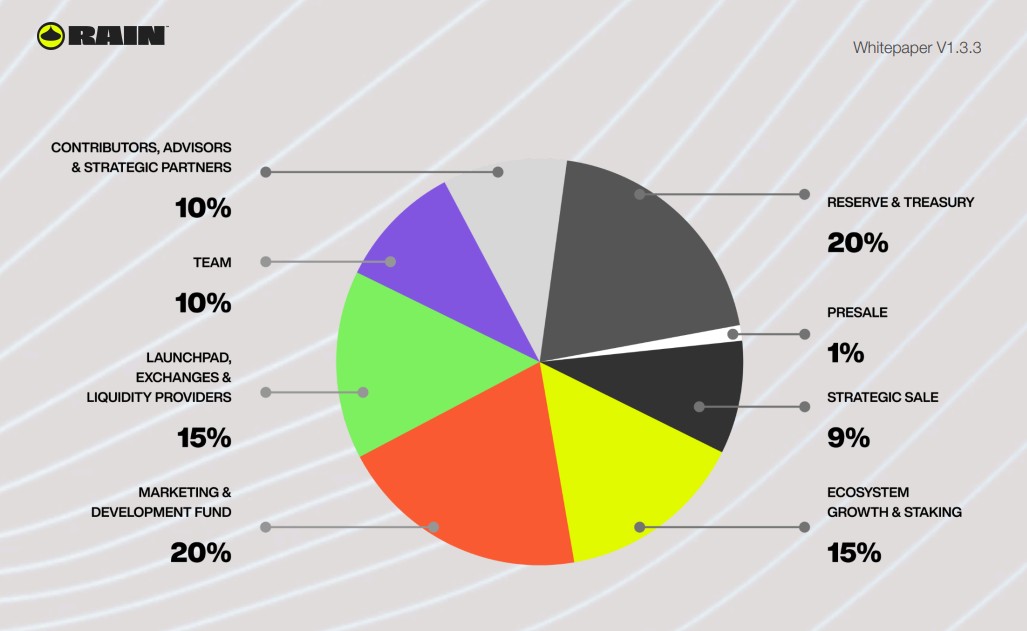
Source: Rain Protocol official X
The Rain roadmap consists of the development of infrastructure, the launch of tokens and tools, the listing on major exchanges, the growth of developer adoption, strategic partnerships, and the future multi-chain integration to be scaled in the long term.
2. GoldZip (XGZ): Tokenomics and Roadmap.
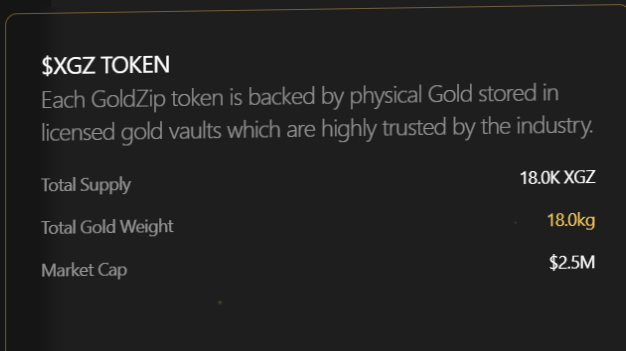
There are 18,000 XGZ tokens that are supplied by GoldZip, and they are completely backed by 18 kilograms of physical gold. A token is one gram of 99.99% fine gold, forming an asset-backed and transparent digital currency. The capitalization of the market is estimated to be close to 2.5 million. XGZ is an ERC-20 token that runs on Ethereum, and it charges a low transaction fee of 0.01%.
Source: Website
The roadmap of GoldZip is based on exchange listing, staking programs, ecosystem applications, partnerships, and global adoption programs and strategies to bridge the traditional commodities with blockchain finance.
3. IR: Tokenomics and Roadmap Infrared Finance.
The governance and utility token of Infrared Finance is IR. The token allows staking via sIR, participation in the governance of the DAO, and liquidity rewards throughout the Berachain ecosystem. The protocol rewards validators and liquidity providers with emissions and allows long-term value alignment through the Red Fund, which allows buyback of protocol fees.
Infrared allows exchange claims, governance staking, and emissions, following its TGE on December 17. Non-exchange claims are open on launch, and all airdrop claims are permanently closed on January 12, 2026, which is a transition to full ecosystem expansion.
4. Lumoz ($MOZ): Roadmap and Tokenomics.
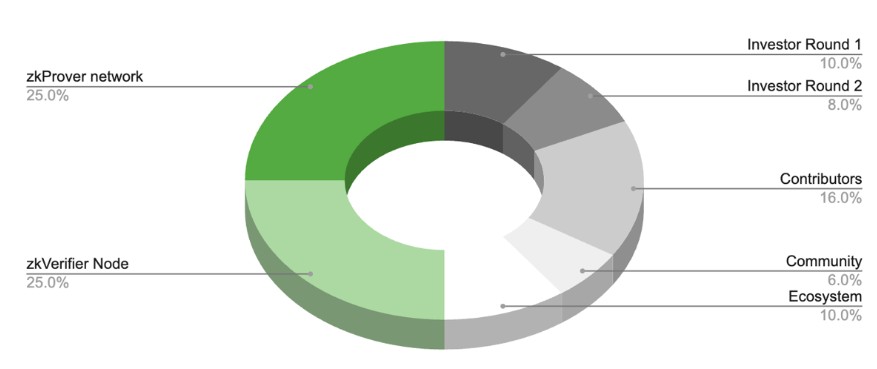
The total supply of Lumoz is 10 billion MOZ. These are 25% Compute and Verifier Node rewards, 16% contributors, 10% ecosystem growth, 6% community incentives, and 18% across investor rounds. The token has transaction fees, AI services, zero-knowledge applications, and protocol usage. Users are able to stake and govern MOZ to esMOZ.
Source: Website
The roadmap of Lumoz will consist of staking capabilities, integration of NFTs, mobile wallet creation, and expansion of the DeFi and AI ecosystem beyond 2026.
5. Wecan ($WECAN): Roadmap and Tokenomics.
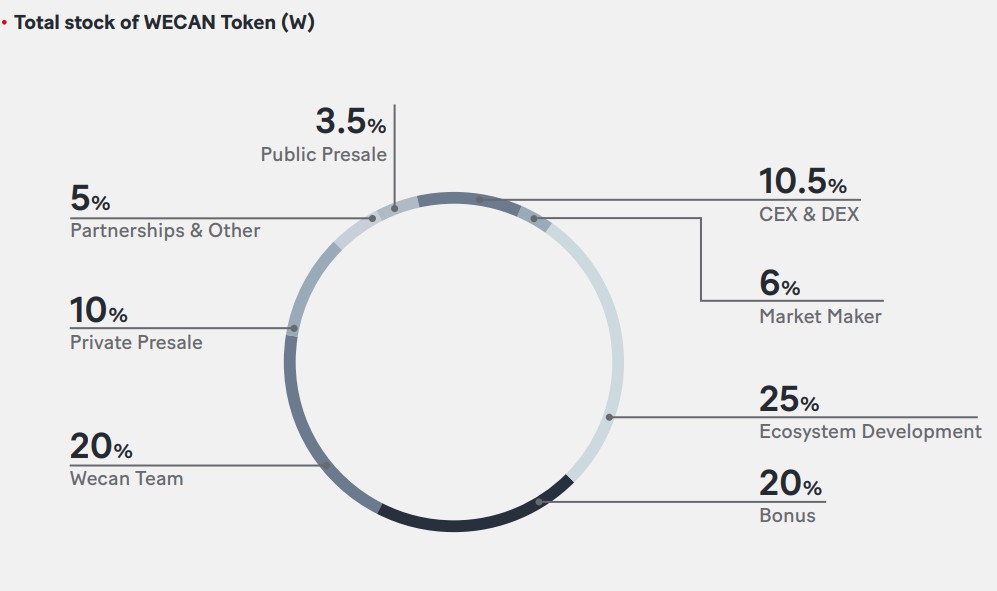
WECAN token has a fixed supply of 6 billion tokens and was initially launched for 0.001 CHF. It serves as an unadulterated utility token to peg transactions and store data hashes on Wecan Chain. Blockchain costs are paid in WECAN as anchoring fees, and a fraction of every transaction is burned, which helps to maintain a deflationary system.
Source: Website
In 2015, Wecan introduced its blockchain and token in 2022, and was listed on Bitstamp and MEXC. The BitMart listing in 2025 facilitates the further growth of the ecosystem.
Which of These Tokens Could be the best after the launch?
Rain Protocol and Infrared Finance are among the most notable of these listings because they are highly utilized in DeFi, have operational governance frameworks, and are multi-exchange. Nonetheless, GoldZip has a more stable price pegged on gold, and the Wecan enterprise adoption is less risky, whereas Lumoz has AI and ZK industry expansion.
Disclaimer: This is not financial advice. Please DYOR before investing. CoinGabbar is not responsible for any financial losses. Crypto assets are highly volatilee and you can lose your entire investment.