Best Play to Earn Games Offering Crypto Rewards to Gamers

Top Play to Earn Games Where Gamers Can Earn Crypto Rewards
Top Play to Earn Games Where Gamers Can Earn Crypto Rewards
Gaming isn't just fun anymore. Players are earning real crypto for their time and skill. These play-to-earn games hand out tokens, NFTs, and airdrops for simply showing up and playing well.
What Does Play to Earn Actually Mean?
Play to earn, or P2E, is a model where in-game items and progress belong to the player, not the studio. Instead of loot sitting locked inside a game, it becomes a tradable token or NFT that carries real value outside the game too.
That single shift changes how people treat gaming. A weapon skin or a rare drop stops being a bragging right and starts being an asset someone can sell, trade, or hold onto.
Why These Games Are Getting So Much Attention
Traditional games keep everything inside their own walls. P2E crypto games flip that. They actually own what they earn, and ownership is the whole appeal.
Here's what keeps people coming back to these titles:
Real crypto rewards for time spent playing, not just bragging rights
NFTs and free tokens tied to actual in-game achievements
Airdrops and community drops that reward early, active gamers.
Item ownership that doesn't disappear if the studio shuts servers down
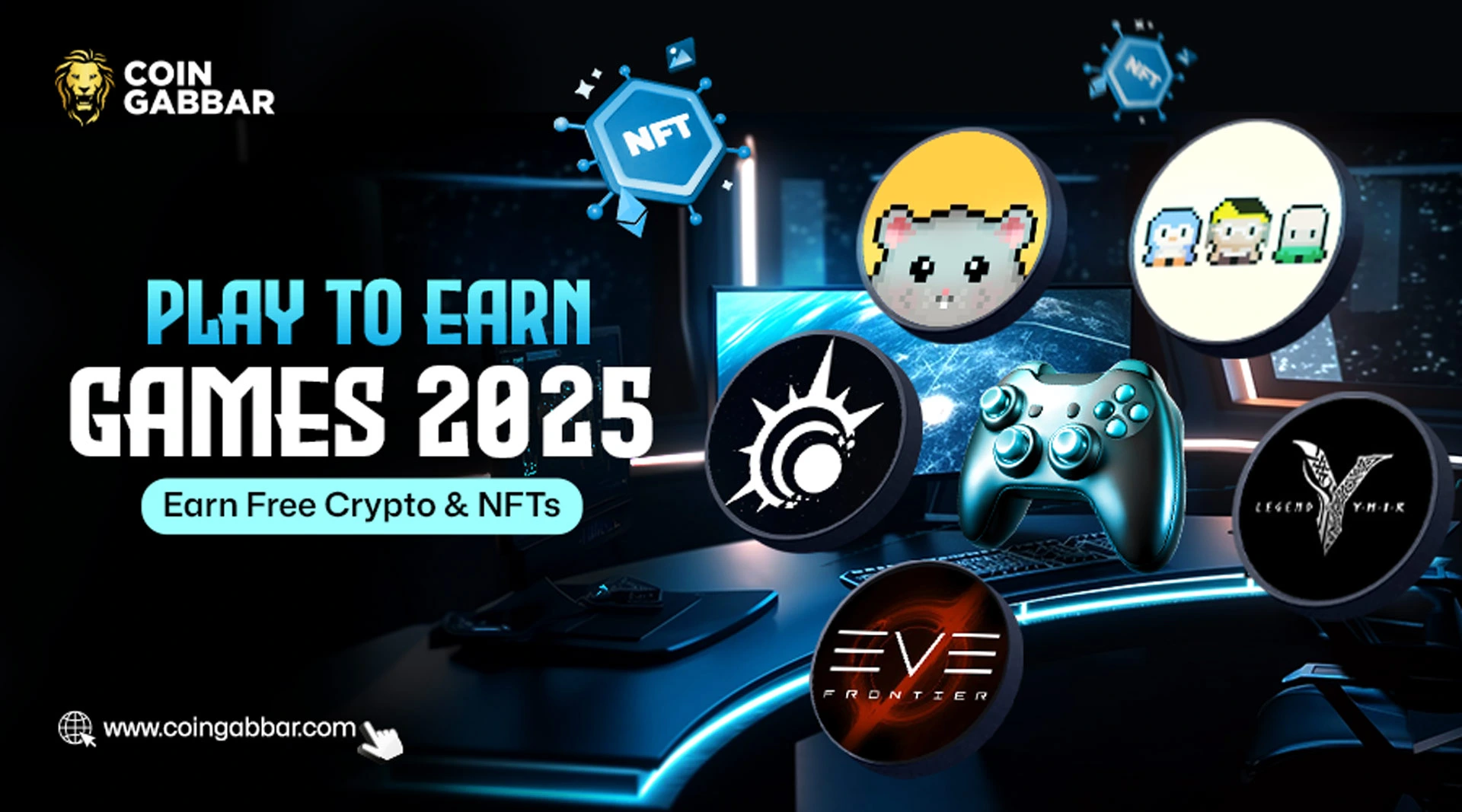
Five titles are dominating the conversation this year: EVE Frontier, Providence, SubwayRats, Legend of YMIR, and Pumpville World. Each one takes a different approach to blending gameplay with blockchain rewards.
Each of these five games rewards a different kind of player, and that variety is exactly why the sector keeps growing instead of settling into one repeated formula.
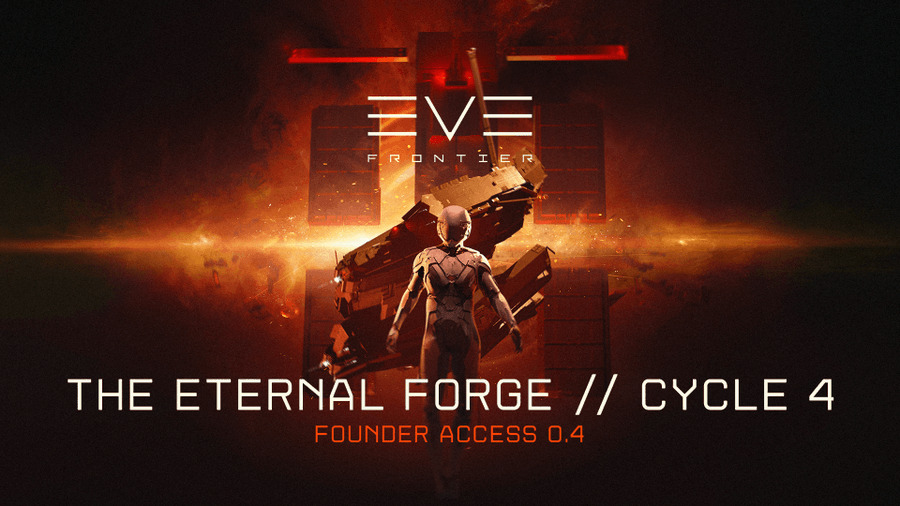
EVE Frontier Cycle 4: The Eternal Forge
EVE Frontier is a sprawling space survival MMO, and Cycle 4 reset the world with bigger maps and permanent Inner Belt zones. Players now fly ships with manual WASD controls instead of relying on old-style auto-navigation.
Earnings come from mining rare minerals like palladium, looting downed drones, running missions, and trading crafted gear. Because some zones persist across sessions, a good base location or rare find can hold value long after it's discovered.
Players who commit to base-building early tend to see the biggest long-term payoff, since claimed territory and stockpiled resources compound the longer a server stays active.
Providence and the $OMEN Token Launch
Providence drops players into short, tense survival runs called Slipworlds. Grab loot fast, then get out before the world collapses around you.
Its $OMEN token powers AI agents, homestead upgrades, and crafting, and the presale used a fair bonding curve with score-based allocation for early players. Even locked tokens can be spent on in-game upgrades, which keeps the economy tied to actual gameplay rather than pure speculation.
Staking NFTs for bonus rewards adds another layer, giving players a reason to hold assets between runs instead of dumping everything right after extraction.

SubwayRats — Off The Rails
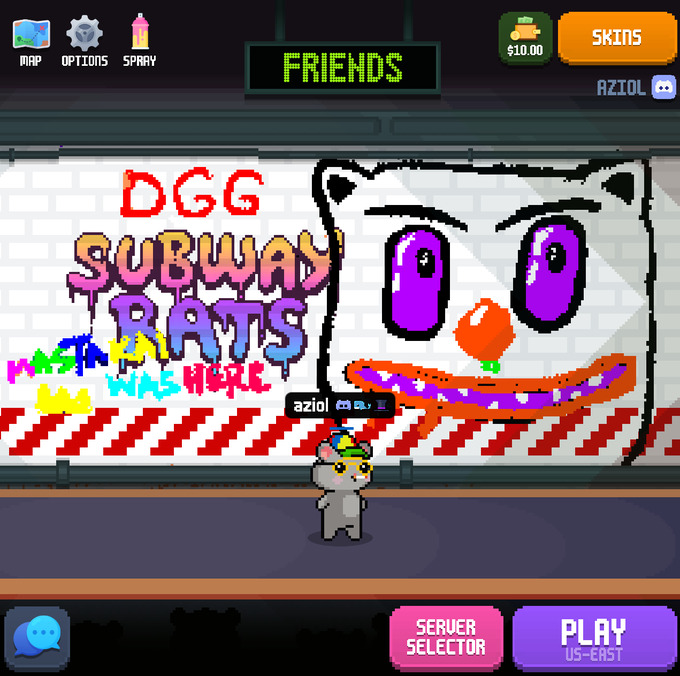
SubwayRats plays like a browser-based Slither.io, except trains replace snakes and coins replace pellets. Players race, steal bounties, and crash rivals to grab their loot before extracting safely.
A recent live event handed out $1 USDC to anyone joining the Main Station, and Station NFTs let owners run their own servers and collect fees. No wallet gas fees and instant browser access make it one of the easiest games on this list to just jump into.
Custom skins bought with NFTs also lower transaction fees during gameplay, so cosmetic spending doubles as a small practical advantage for regular players.
Legend of YMIR's Holiday Update
Legend of YMIR is a Norse-flavoured MMORPG built on WEMIX, and its Christmas update brought free login rewards, class changes, and server transfers. Players farm gWEMIX, hunt bosses, and trade freely on a player-run market.
Guild-driven server battles and boss runs give this game a genuinely social edge, which is part of why it keeps pulling in players who want team-based, long-term progression instead of solo grinding.
Rare boss drops often end up on the open market, so even players who never win a server battle can profit by farming resources and selling to guilds chasing the win.
Pumpville World's Social Village Loop
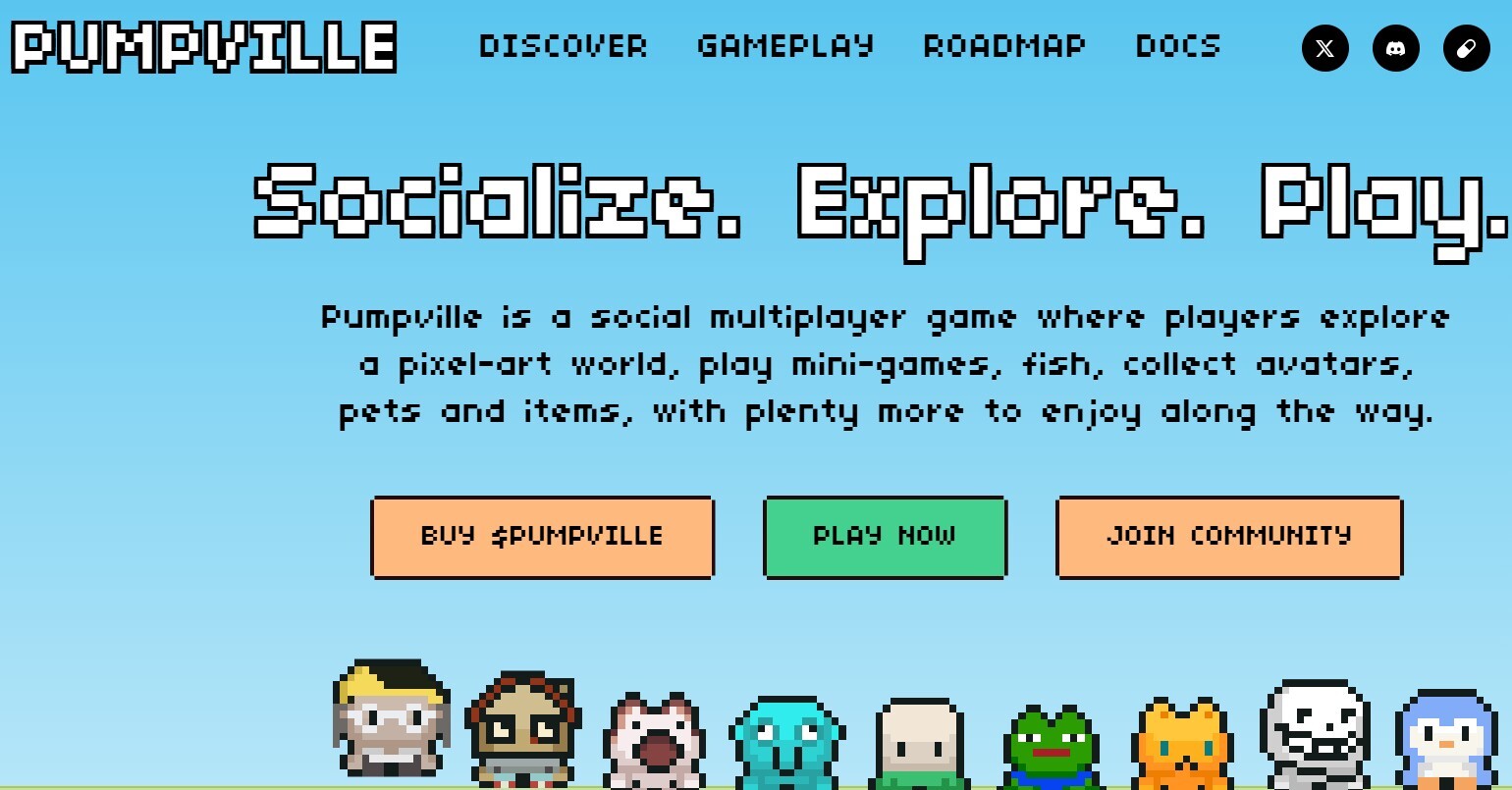
Pumpville Worl keeps things light. Players wander a friendly village, collect treasure, raise pets, and compete in casual arena matches.
Rewards come from quests, crafted item sales, and arena wins, making it an easy entry point for newcomers who want steady, low-pressure earning rather than a steep learning curve.
Since the game is still expanding, early players get first access to new drops and community events before the wider crowd catches on.
What's Changing in Play to Earn Right Now
Blockchain gaming has quietly become a much bigger slice of crypto activity than most casual observers realise, with on-chain gaming reportedly making up a large share of total blockchain transactions today. Two trends stand out heading further into 2026.
Cross-chain support is spreading fast, letting players move assets between ecosystems instead of being locked to one blockchain
Studios are leaning toward sustainable tokenomics, building in adjustment mechanisms so reward systems don't collapse the way early P2E economies often did
Wallet security also matters more as these games grow. New players are increasingly advised to secure a proper wallet and understand basic key management before jumping into any title with real token rewards attached.
Getting Started the Right Way
Jumping straight into any of these games without prep is how most people lose money or assets early on. A little groundwork saves a lot of trouble later.
Set up a proper crypto wallet first, and never share private keys or seed phrases with anyone
Read the tokenomics before buying in, especially how new tokens enter circulation
Start with small amounts to learn a game's mechanics before committing real funds
Stick to official game sites and links instead of ads or random social posts
Join the community on Discord or Telegram to catch real updates before scams do
Doing this homework upfront turns play to earn from a gamble into something closer to a calculated hobby.
Risk Factors Every Player Should Know
Token prices swing hard, and in-game earnings can lose value overnight
Some games rely on new players joining to keep older rewards funded, which isn't sustainable forever
Smart contract bugs or exploits can drain funds or break in-game economies
Regulatory rules around crypto gaming differ by country and keep shifting
Not every "play to earn" title survives past its first year, so hype doesn't equal longevity
Final Thoughts
Play to earn games in 2026 offer a genuine mix of entertainment and earning potential, whether someone prefers space survival, fast-paced shooters, social village life, or big MMO boss fights. Real ownership and tradable rewards are what set this space apart from traditional gaming.
Getting in early still carries risk, so players should treat rewards as a bonus rather than guaranteed income and always look closely at a game's token design before committing serious time or money.
Disclaimer: This article is for educational purposes only. Play-to-earn rewards are not guaranteed, and crypto assets can be volatile. Always do your own research before investing time or money in any game.