Torium Network: The Future of Mobile Mining and Blockchain Access

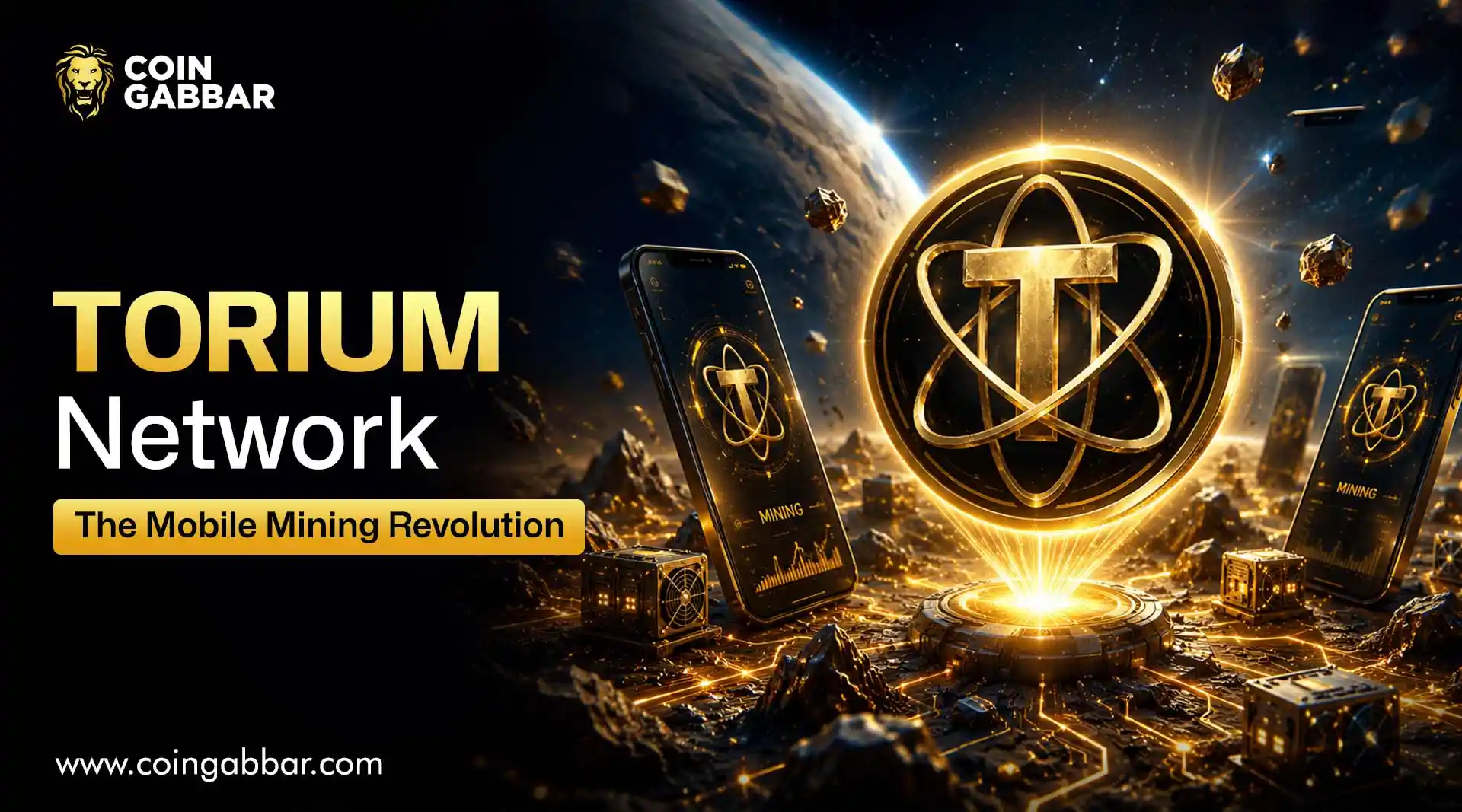
How Torium Network Combines Mobile Mining and Real-World Utility
There is a quiet assumption baked into most blockchain projects that participation belongs to people who already have something. Capital to stake. Hardware to run. Technical knowledge to navigate the setup. Torium Network was built around a different idea entirely: that a phone, an internet connection, and showing up consistently should be enough.
That sounds simple. And in some ways it is. But the network behind it is more considered than most mobile mining projects tend to be.
The Problem Torium Is Trying to Solve
Blockchain promised open access. The reality has been different. Proof of Work rewards those who can afford industrial-scale mining rigs. Proof of Stake rewards those who already hold significant capital. In both cases, the people who benefit most are the people who were already ahead.
Torium's position is that this is a design problem, not an inevitability. Their answer is a consensus model called Proof of Participation one where what matters is consistent engagement, not the size of your wallet or your electricity bill.
The other side of the problem they're addressing is on the enterprise end. Supply chains, product authentication, and data verification systems still struggle with trust gaps and fragmented infrastructure. Torium is building toward a network where individual participation and enterprise utility run on the same rails.
How the Network Actually Works
Torium is a Layer-1 blockchain. That means it is not built on top of Ethereum or any other existing chain it is its own independent network, with its own native coin called TOR.
The entry point for most users is the Torium mobile app, available on Android. Opening the app and starting a session is a single tap. Each session runs for 24 hours. Come back the next day, start a new one. That is the core loop.
The mining that happens during these sessions does not run on your device. It runs in the cloud. Your phone is not doing any computation it is registering your participation. This is why the app does not drain your battery or require a high-end device.
What the network measures is consistency. Users who return daily build streaks, which increase their earnings through percentage-based boosts. Users who refer friends and grow a team unlock higher earning tiers. The more genuinely active someone is, the more they earn within limits that are designed to keep the system fair and prevent any one person from dominating the pool.
The network operates across 19 languages, which reflects where Torium expects most of its growth to come from: regions where smartphones are common but access to investment and savings products is not.
TOR: The Coin Powering the Ecosystem
TOR is the native utility coin of Torium Network. It has a fixed total supply of 2 billion no more will ever be created. That supply is allocated across four categories.
Allocation | Purpose |
Mining Rewards (50%) | Community distribution through Proof of Participation |
Ecosystem & Marketing (20%) | Partnerships, growth programs, developer grants |
Liquidity (20%) | Exchange listings and market support |
Team (10%) | Core team, locked and vested over time |
The mining allocation is split between the current pre-mainnet (testnet) phase and the mainnet phase after launch. This structure means the coin being earned right now is real it will convert to mainnet TOR at a 1:1 ratio at the Token Generation Event (TGE), planned for 2027.
The network uses a milestone-based halving model. As more TOR is mined globally, the mining rate decreases in stages. Early participants earn at the highest rate. This is not a hidden mechanic it is published openly in the whitepaper, and it rewards people who arrive early and stay consistent.
The Enterprise Layer: Where It Gets Interesting
Most mobile mining projects stop at the coin. Torium does not.
The long-term vision is a network where TOR has real demand because enterprises use the same infrastructure for meaningful work. Three areas are central to this:
Scan & Earn is the consumer-facing bridge between everyday users and enterprise needs. Users can scan eligible products through the Torium app, verify their authenticity, and earn TOR for qualifying activity. The product receives a secure digital tag through NFC, QR, or RFID and the scan creates a verifiable record on Torium Chain.
Supply chain trails extend this to a broader enterprise use case. Brands and manufacturers dealing with counterfeit goods or distribution gaps get additional visibility into where their products are and whether they are authentic. The Torium network adds a participation layer on top of that a mobile network of users doing verification at the retail level, at scale, in places where enterprise systems typically have the least coverage.
Torium Pay is a planned payments layer that would allow TOR to be used for practical transactions things like airtime top-ups, data bundles, and digital utility products through aggregator integrations.
The most concrete signal of enterprise traction so far is a signed partnership with Veridian Systems, announced in May 2026. The first phase of that agreement is valued at US$1 million and focuses on bringing Scan & Earn product verification to Southeast Asia, starting with a pilot in Greater Jakarta centered on over-the-counter pharmaceutical products. The framework agreement runs for five years across three phases, with later phases expected to expand into broader supply chain data integrity work.
This matters because it is not a letter of intent or a vague "partnership in progress" announcement. It is a signed, funded, phased agreement with a real pilot market and a specific product category.
Where Torium Is on the Roadmap
The network is currently in its Q2 2026 active phase. The internal testnet is live a blockchain explorer is already running and PoP validation is being tested on the testnet chain. The mobile app is in users' hands, the community is growing globally, and enterprise partner outreach is underway.
Period | Milestone |
2025 – Q1 2026 | Foundation established, app launched, internal testnet live |
Q2 2026 (Active) | PoP validation on testnet, global community launch, enterprise outreach |
Q3 2026 | Mobile wallet, testnet transactions, Torium Pay planning |
Q4 2026 | Full incentivised testnet, security audits, authority node selection |
2027 | Mainnet launch, TGE, 1:1 TOR conversion, exchange listing preparation |
2027 onward | Cross-chain bridges, DAO governance, enterprise expansion |
The governance model follows a progressive decentralisation path foundation-led during the early phase, moving toward broader community input, and eventually DAO-oriented governance once the network reaches maturity after mainnet. TOR is expected to play a role in governance participation at that stage.
What Makes Torium Different from the Rest
The mobile mining space has had its share of projects that promised a lot and delivered little. The thing that separates Torium from most of them is not the technology alone it is the pairing of a genuine enterprise utility case with the participation model.
A network where users earn TOR by scanning products is a network that generates real data. That data has real value to brands and distributors. That value creates real demand for TOR beyond speculation. That demand is what gives a fixed-supply coin a reason to hold its value over time.
The tardigrade Torium's chosen symbol is a microscopic organism known for surviving extreme conditions. It is a deliberate choice. The network is not built around hype cycles or short-term pumps. It is built around people who keep showing up, and enterprises that need reliable, distributed verification at a scale no traditional system has been able to reach.
Conclusion
Torium Network positions itself as a mobile-first blockchain that focuses on accessibility, participation, and real-world utility. By combining Proof of Participation with enterprise-driven use cases like product verification and supply chain tracking, it aims to move beyond traditional crypto mining models. While the project is still evolving and has not yet reached full mainnet launch, its long-term success will depend on execution, adoption, and real demand for its ecosystem.
Disclaimer
This article is for informational purposes only and should not be considered financial or investment advice. Cryptocurrency and blockchain projects involve risk and uncertainty. Readers should conduct their own research before participating in any project.



.jpg)