TRD Network Launches Web3 Wallet With AI Security and Smart Features

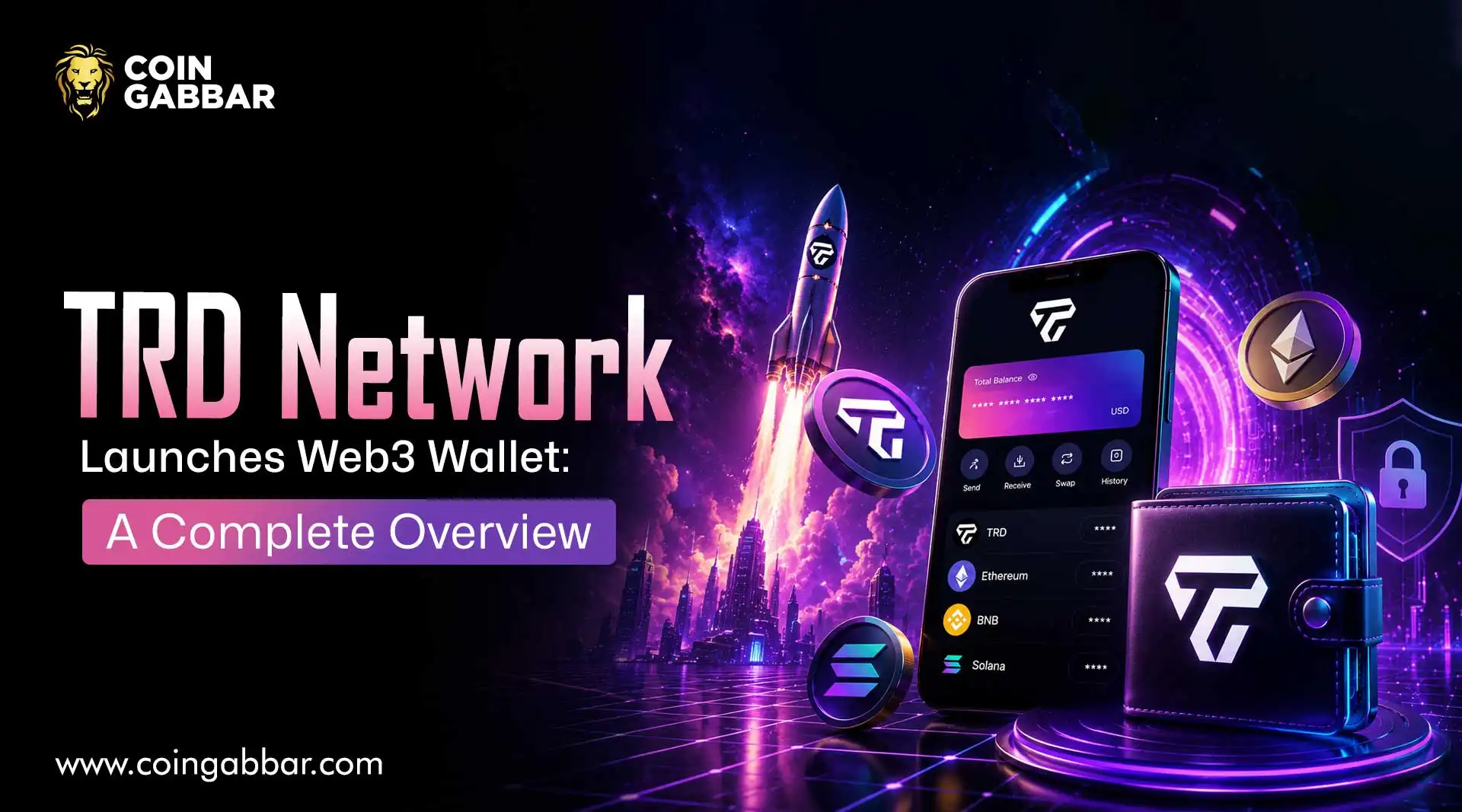
TRD Network Launches Web3 Wallet: Exploring Features and User Benefits
TRD Network has been building out its ecosystem steadily through 2026, and the latest piece to take shape is its own wallet. The TRD network launching Web3 wallet as part of a bigger plan to give the project real, everyday use rather than just a tradable token. Here's what the wallet does, how the launch is rolling out, and why it matters for anyone following TRD Network.
What Is TRD Network?
TRD Network is an AI and DePIN infrastructure project. It brings together decentralized physical infrastructure, things like GPU compute, storage, and node hosting, with an AI-driven security and consensus layer called A-PoS. The idea is simple: physical infrastructure networks need constant monitoring for uptime, fraud, and threats, and TRD's A-PoS consensus is built to handle that monitoring automatically instead of relying purely on manual checks.
The project already runs live tools, including a GPU compute marketplace, virtual machines, token creation, and a crypto point-of-sale system. Its native token, TRD, sits in an active presale phase, with the total supply capped at 3.30 billion tokens split across ten allocation categories, most under multi-year vesting through 2031 and beyond.
About the TRD Web3 Wallet
The TRD web3 wallet is described by the team as more than a simple storage tool. It's built as an intelligent, all-in-one financial dashboard meant to work for both security-focused users and everyday crypto users alike. The goal is to give people a single gateway into the decentralized economy, with an interface that's powerful but still easy to use.
Self-custody sits at the center of the design. That means it gives users full, cryptographic control over their funds and private keys, nobody else holds custody. Built on that foundation, which means it is meant to help people manage, trade, and grow their digital assets, whether that's simply holding tokens, interacting with decentralized applications, or handling more complex transactions across multiple blockchain ecosystems.
How the Launch Is Rolling Out
The wallet launch has been building in phases rather than arriving all at once. According to TRD Network's own roadmap, Wallet Phase 2 development was already part of the Q4 2025 milestones, alongside Crypto POS testing. By Q1 2026, the team had moved into a broader product launch phase that included the Multi Signature vault, staking, a virtual card, and AI-driven fraud detection tools.
Right now, the vault is listed as launching soon on both the Google Play Store and the Apple Store, positioning it as a mobile-first product for everyday access. That mobile rollout lines up with the Network's current Q3 2026 focus, where the team is pushing new features to the wallet and Multi Signature Wallet while also preparing the broader network for testnet.
TRD Wallet Features
Self-custody control: Full cryptographic ownership of funds and private keys, with no third party holding custody.
Multi-chain support: Built to manage tokens and interact with decentralized applications across different blockchain ecosystems from one place.
Multi Signature Wallet: An added security layer for users who want shared or extra-secure control over transactions.
Staking access: Direct staking support built into the vault experience.
Virtual card: A card product tied to the wallet, aimed at bridging crypto holdings with everyday spending.
AI fraud detection: Security monitoring built on TRD's AI-driven infrastructure, designed to flag suspicious activity.
DApp interaction: A gateway for engaging with decentralized applications directly through the vault interface.
Together, these wallet features push the product past a basic storage app and toward a full financial dashboard for the ecosystem.
Benefits of the TRD Web3 Wallet
The benefits of web3 vault come down to control, convenience, and security working together in one place. Self-custody means users aren't handing their keys to an exchange or third party, which lowers the risk that comes with centralized storage. Having staking, a virtual card, and multi-chain access built into a single app also cuts down on the need to juggle multiple tools for different tasks.
The AI fraud detection layer adds another practical benefit. Rather than relying only on user caution, the vault is designed to actively watch for suspicious patterns, which matters more as DeFi and multi-chain activity get more complex. For anyone already holding or considering TRD tokens, having a dedicated vault built specifically for the ecosystem also means smoother access to future network features as they roll out.
What's Next for the Wallet and the Wider Ecosystem
TRD Network's roadmap points to a busy back half of 2026. Q3 is focused on infrastructure, including testnet preparation, the TRD Foundation going live, and a Launchpad built to help new Web3 projects raise funds. Q4 is set to bring the testnet live, a hackathon for outside developers, and the start of mainnet development, expected to launch with minimal or zero transfer fees.
The vault sits right in the middle of this plan. As the network moves toward mainnet, the vault is positioned as the main touchpoint for everyday users, the place where staking, payments, and DApp access all come together in one interface. Whether the mobile app launch on Google Play and the Apple Store hits its expected timeline will be one of the clearer signs of how closely TRD Network is sticking to its own roadmap.
Conclusion
TRD Network's vault marks a real step toward giving the project practical, daily use beyond just a presale token. With self-custody at its core and features like staking, a virtual card, multi-chain support, and AI-based fraud detection built in, the vault aims to function as a full financial dashboard rather than a basic storage app. The mobile launch on Google Play and the Apple Store, paired with the network's push toward testnet and mainnet later this year, will be worth watching closely over the coming months.
Disclaimer
This article is for informational purposes only and does not constitute financial or investment advice. Cryptocurrency products, including wallets and presale tokens, carry risk, including the possibility of delayed timelines or unmet roadmap targets. Always verify details through official TRD Network sources and conduct independent research before using any crypto wallet or making an investment decision.
Also read: