Vectorium Tokenomics Guide: Utility Model, Demand Drivers, and Risks

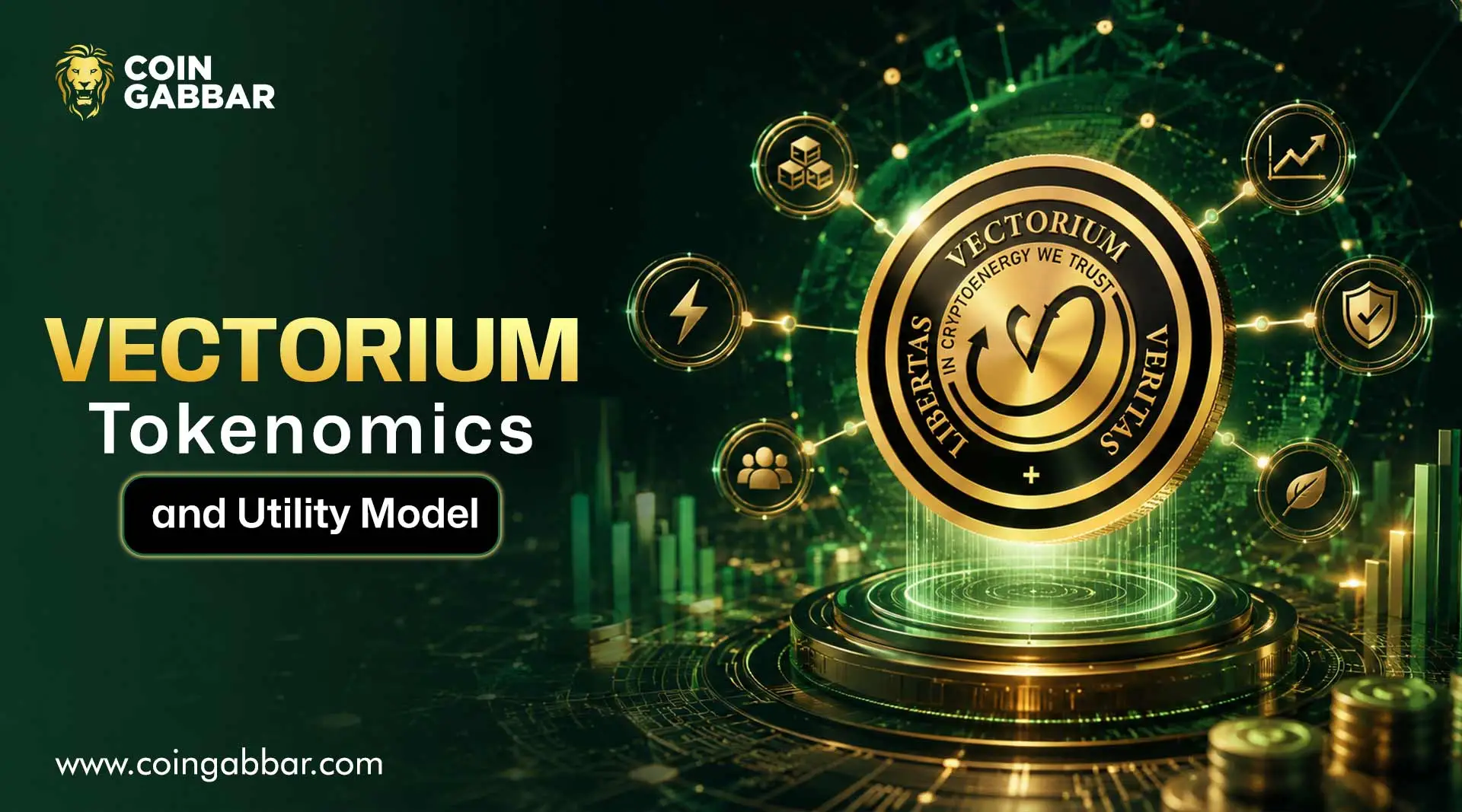
Vectorium Tokenomics: What Investors Should Know?
You want clear facts about any new token. The token follows a planned model. It ties directly to carbon credits.
The project runs on the blockchain. It uses Solana for speed. This setup helps real-world climate action.
Tokenomics help evaluate a project’s long-term health. You see supply numbers. You understand coin use. Let’s break it down simply.
What is the total supply?The
Vectorium token has a fixed total supply. It stands at 1 billion coins. This limit prevents endless printing.
At launch, about 100 million coins entered circulation. The rest follow a schedule. You avoid sudden floods of new tokens.
The coin is called the Vectorium token. Its symbol is VECT. You find it on Solana.
How does the team split the tokens?
Public sale takes 15%.
Regular people like you can buy early.
Private investors hold 10%.
They support the project from the start.
Foundation and ecosystem get 20%.
These funds support growth and carbon projects.
Team and advisors receive 15%.
Vesting rules lock these tokens. They release slowly over the years.
Carbon projects staking uses 20%.
This rewards people who help verify credits.
Liquidity and listings hold 10%.
The team releases these step-by-step instructions for smooth trading.
Marketing and rewards take the final 10%.
These support user programs as milestones are hit.
This clear split builds confidence. You know exactly where tokens go. No hidden surprises.
Why do people use the Vectorium token?
You need a Vectorium token to join the system. Hold at least 500 coins. Then you can tokenize real carbon credits.
These become carbon fungible tokens. You trade them easily on the marketplace. Each one represents a real ton of CO2 offset.
Staking plays a big role, too. You lock tokens. You help secure the network. You earn rewards in return.
Demand grows as more people offset emissions. Companies join. Individuals buy credits. This creates steady use for the token.
How does it connect to real impact?
Sustainability-focused blockchain projects often stay in theory. It ties tokens to actual carbon work.
You turn paper credits into digital ones. Smart contracts track everything. Oracles pull real data from satellites and sensors.
At the end of each credit’s life, the system retires it. This confirms real climate benefits. You see proof on the chain.
The Vectorium network aims for full operation by 2030. It plans to work with UN standards and ISO rules.
What risks should you watch?
Token price can drop fast. Market moods change quickly.
Team tokens unlock over time. This may add selling pressure later.
Adoption depends on real carbon projects joining. Slow growth means slower demand.
Regulations around carbon markets keep changing. New rules could affect the project.
You should only invest what you can lose. Start small. Learn the system first.
A utility that goes beyond holding
Many tokens only promise future value. The Vectorium token gives you access now.
You stake to create carbon fungible tokens. You trade on the marketplace. You join governance votes through the DAO.
The whitepaper details every step. Read it on the official site. You will understand the full picture.
Demand drivers you can see
More companies want easy ways to offset emissions. It makes it simple and transparent.
Individuals care about climate too. You buy credits directly. Track your personal impact.
Listings on exchanges increase visibility. More traders join. Liquidity grows.
Staking rewards attract long-term holders. This reduces the available supply over time.
Vectorium blockchain offers low fees. This encourages frequent use. You avoid high costs on other networks.
Final thoughts for new investors
Vectorium tokenomics links money to real environmental work. You see a fixed supply. You see clear utility. You see a roadmap with dates.
The model rewards active participants. It supports verified green projects. It keeps everything traceable.
Ready to learn more? Visit the official site. Download the whitepaper. Explore the marketplace. Start with small steps.
Your choices can support both your portfolio and the planet.
Disclaimer: This blog shares details from the official website and whitepaper. Crypto investments carry risks. Do your own research.






.jpg)




