What Is Crypto Delisting? Meaning, Reasons, and Impact

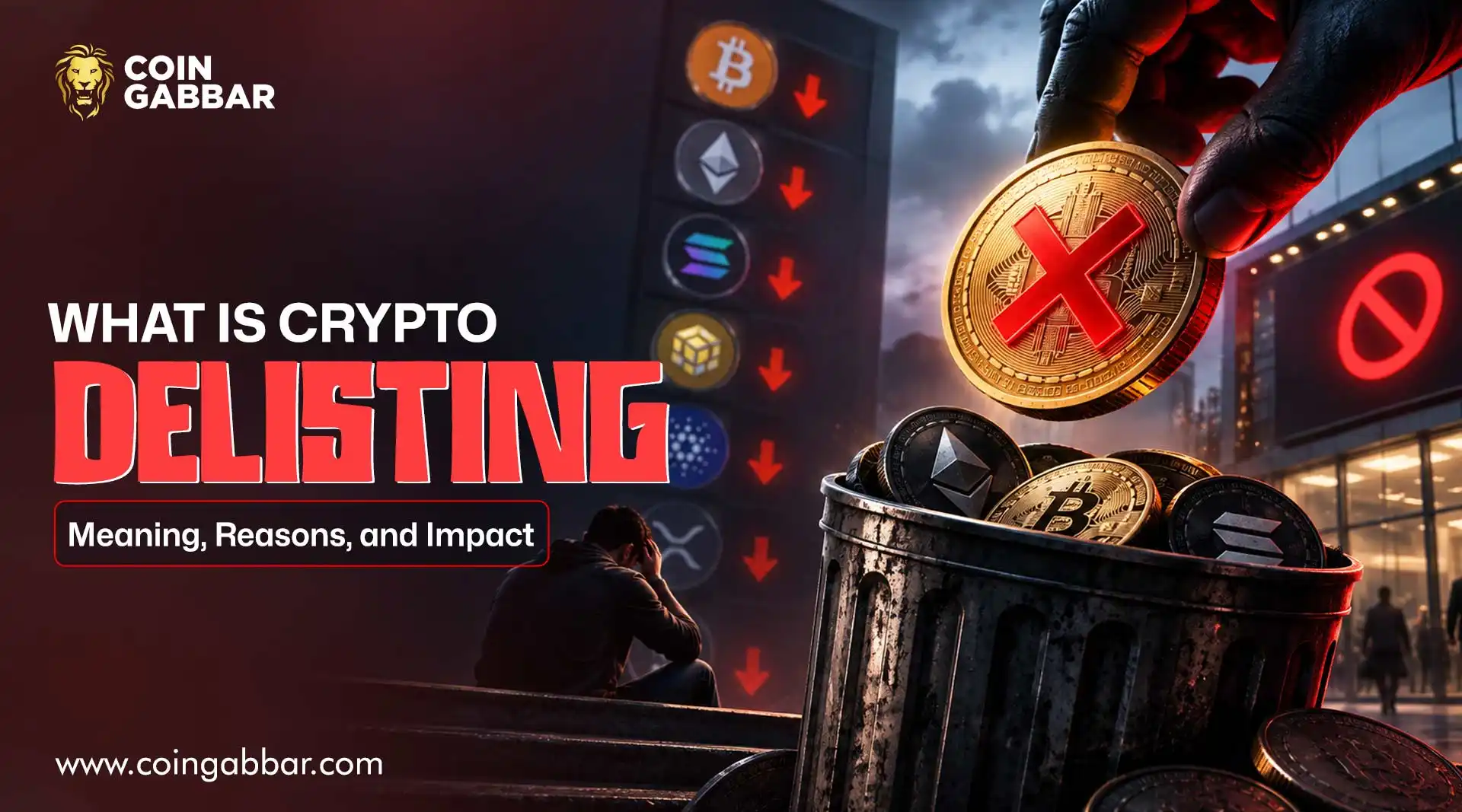
What Is Crypto Delisting, and Why Does It Happen?
Ever logged in and noticed a coin just gone? That's exactly what happens when A token or coin gets pulled from an exchange's trading list, and from that point on, nobody can buy or sell it there.
It might still be trading somewhere else, but only if there's enough liquidity backing it up on that other platform.
The topic matters because a delisting can move quickly, often with little warning, and it directly affects anyone holding the affected token on that platform.
This article breaks down what delisting actually means, why exchanges do it, and what tends to happen to a token's price and availability once it's removed. Delisting is really just the reverse of listing, so understanding the basics of a crypto exchange listing first makes the rest of this guide click much faster.
What Does Delisting Mean in Crypto?
A listing is just an exchange saying, "Okay, this token can trade here." Delisting is the flip side of that; the token gets shown the door because it stopped meeting the exchange's rules. Basically, the same crypto exchange listing process runs backward when a delisting happens.
There are two ways it usually plays out:
Voluntary delisting happens when the project team decides to walk away on its own; maybe they're shutting things down, teaming up with another project, or moving to a fresh token contract.
Involuntary delisting happens when the exchange makes that call itself, usually because of compliance headaches, security concerns, or the token simply falling short.
Why Do Exchanges Delist a Cryptocurrency?
Most centralized exchanges look over every asset they support every so often, and a few warning signs tend to show up again and again:
Thin liquidity and low trading volume
Project development that's slowed down or stopped completely
Network glitches or security gaps that never got fixed
Legal or regulatory trouble in certain countries
A team that's gone silent, or something unresolved like a hack or a lawsuit
One shaky sign by itself rarely gets a token pulled. Exchanges usually flag it first, watch it for a bit, and only step in if things don't turn around.
Voluntary vs. Involuntary Delisting
Factor | Voluntary Delisting | Involuntary Delisting |
Who initiates it? | The project team | The exchange |
Common reason | Contract migration, project shutdown, merger | Compliance, security, low liquidity |
Advance notice | Usually planned well ahead | Can be sudden |
Price impact | Generally milder | Often sharper |
Involuntary cases usually hit the price harder, mainly because they come with less warning and point to a problem the market hadn't already factored in.
What Happens to a Token After It's Delisted?
Once an exchange confirms a token's removal, every trading pair linked to that asset comes off the platform. Deposits are usually disabled first, followed by a withdrawal window that lets holders move their tokens elsewhere before access closes completely.
Coinbase's asset listing framework notes that listed assets face ongoing monitoring against the same standards used for new listings, which is part of why removals happen even to previously supported tokens.
Reviewing basic crypto wallet safety tips ahead of time helps, since missing a withdrawal deadline can mean losing practical access to the asset on that platform.
How Delisting Affects Price and Liquidity
Market data on past delistings suggests token prices commonly fall somewhere between 20% and 70% in the hours following an announcement. A few mechanics explain the drop:
Holders who relied on that exchange rush to sell before the deadline
Market makers pull liquidity from the pair in advance
New buyers avoid an asset with shrinking venue access
Other platforms sometimes follow with their own removals, compounding the effect
The size of the reaction usually depends on how much of the token's total trading volume ran through that one exchange. A crypto liquidity explained resource covers this relationship in more depth.
What Does the Data Say About Delisted Tokens?
The stronger signal in most delisting cases is trading volume concentration; thinly traded tokens react far more violently than those spread across several major platforms. The main concern for holders is timing: once an announcement goes public, the window to exit at a stable price narrows fast.
What's much harder to predict is whether a delisted token ever bounces back. According to CoinAPI's glossary entry on delisting, a removal is usually treated as permanent rather than a short break, though a few projects do manage to get relisted once they fix whatever caused the removal in the first place.
What Should Holders Watch For?
A few simple checks can help lower the chances of getting caught off guard by a surprise removal:
Keep an eye on whether a held token carries a monitoring or "at-risk" tag on its exchange
Check trading volume and liquidity every so often, not just when you first buy
Read official exchange announcements yourself instead of trusting quick summaries elsewhere
Note the withdrawal deadline the moment a delisting notice comes out
Building habits like these into a crypto portfolio risk management routine makes it much easier to stay on top of things over time.
Conclusion
Crypto delisting really just comes down to a token losing its spot on an exchange's trading list, whether the project asked for that removal or the exchange forced it. As CoinAPI's glossary entry on delisting puts it, this is usually a lasting change rather than a temporary pause, and involuntary removals tied to compliance, security, or liquidity issues tend to hit price the hardest, while planned exits are usually gentler.
If there's one thing worth remembering, it's speed: anyone holding an affected token should act as soon as a notice goes out, since withdrawal windows are typically short and liquidity can dry up fast.