XDAO Ecosystem: Building the Future of Cross-Chain Organizations

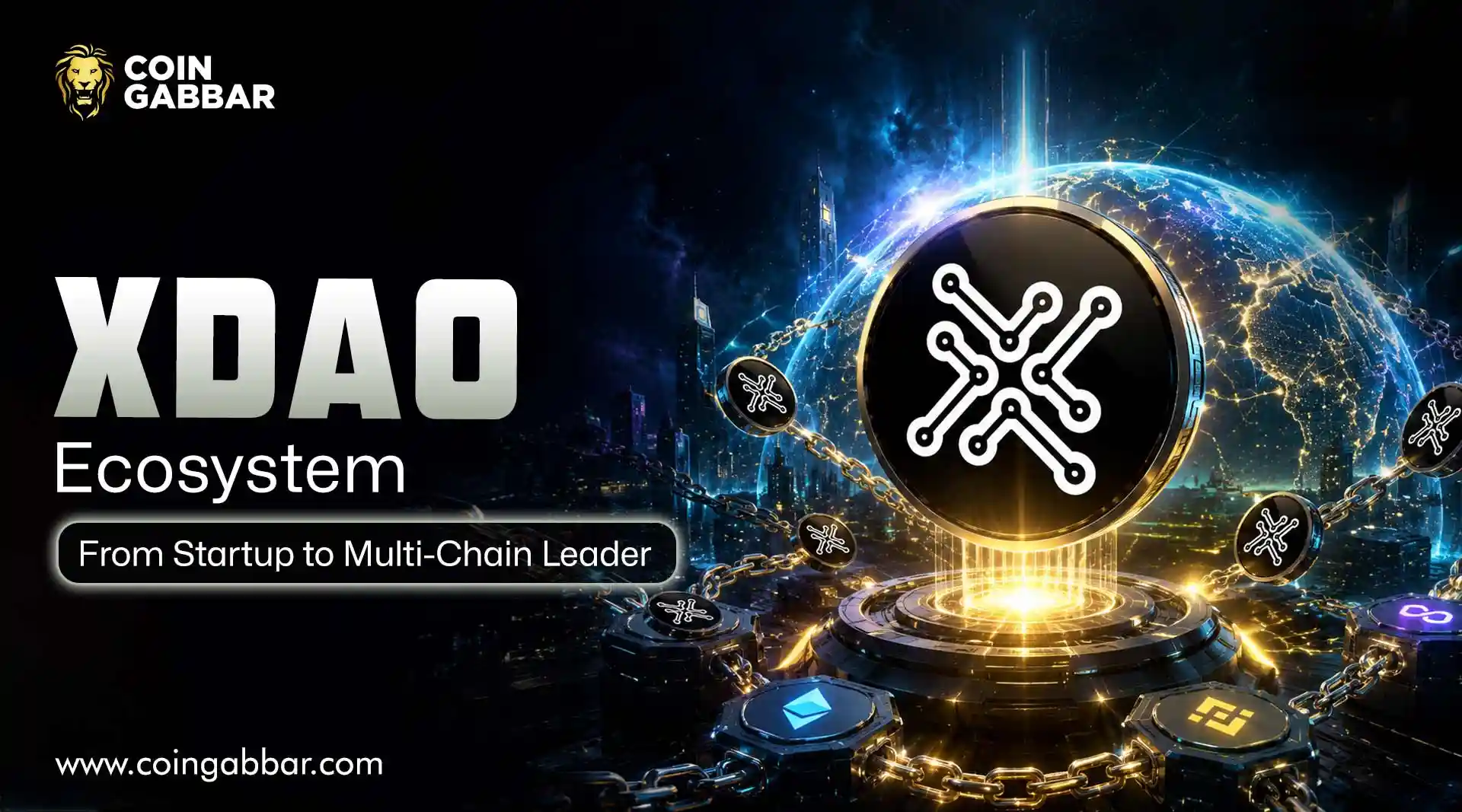
XDAO Ecosystem Growth From a Hackathon Idea to Web3 Infrastructure
XDAO recently shared the full story of how it got here from a small experiment on BNB Chain to a cross-chain ecosystem spanning 45+ blockchains. This piece walks through that journey in the project's own words, explaining what the new XDAO token actually connects and why it exists within the broader XDAO ecosystem.
If you've followed our earlier coverage of the XDAO airdrop, tokenomics, and the XDAO roadmap, this article fills in the missing piece: the origin story and vision that ties all of it together. Understanding the XDAO vision from day one makes the token's role in the wider XDAO ecosystem much easier to follow.
How It All Started
Five years ago, XDAO began as a non-commercial experiment. The idea was simple: give anyone on the planet the ability to create and manage their own digital autonomous organization, or DAO.
No lawyers. No offices. No special permissions needed.
The first version launched on BNB Chain. It won the Binance Hackathon almost immediately. That early win signaled something important — the idea was alive, in demand, and worth building further.
Growing Across Web3
From that first launch, XDAO expanded steadily. The project grew alongside some of the largest Web3 ecosystems, including BNB Chain, Polygon, Arbitrum, and dozens of other EVM-compatible networks.
On TON, the team ran what it calls the largest educational campaign in its history. More than 12 million people learned the basics of DAOs through that effort alone.
That kind of reach isn't common for a project that started as a small hackathon build.
The Numbers Behind Five Years of Growth
Five years on, the results speak clearly:
More than 32,000 organizations have been created on the platform
Over $55 million has been raised by communities through smart contracts
XDAO is now deployed and running across 45+ blockchains
These aren't projections. They're outcomes from a platform that's been live and functioning since 2021.
Source: Official XDAO X Account
This growth also explains why the tokenomics model matters so much for what comes next. A network already running across 45+ chains needs a token structure that can support real, existing usage, not just speculative trading.
Free From Day One, Still Free Today
Here's a detail worth highlighting: the core EVM smart contracts were free to use back in 2021. They remain completely free today.
That consistency matters. A lot of crypto projects change their model once they gain traction. XDAO's core infrastructure hasn't.
A New Chapter: Solana and a U.S. Legal Foundation
It is now building a product for Solana, backed by a full legal framework in the United States. The entity is incorporated in the state of Delaware.
This is a meaningful shift. Moving from purely onchain, code-based governance toward a structure with real legal grounding opens the door to a different kind of user — one that needs institutional-grade compliance, not just smart contracts.
This expansion also lines up closely with the XDAO roadmap shared earlier this year. Solana integration and U.S. legal incorporation were both flagged as milestones toward turning the project from a DAO-creation tool into a full financial infrastructure layer.
Built for a New Kind of Organization
XDAO describes this next phase as a new kind of infrastructure. Organizations on the platform won't only be run by people.
They'll also be run by AI agents that act strictly within a mandate set by their owners. These agents stay within on-chain limits and never make a single decision without human confirmation.
That's a notable design choice. It positions XDAO not just as a DAO tool, but as infrastructure for human-AI collaborative governance.
Why Solana and Delaware, Together
Solana brings speed and institutional readiness to the table. Delaware provides the legal foundation needed to work with funds, family offices, and investment syndicates.
Together, these two pieces form the basis for a new stage of growth one that it says reaches far beyond DeFi.
Security Comes First
Before discussing the token itself, it addressed something more fundamental: security.
The platform has passed dozens of independent audits. Reviews have come from established industry names, including Quantstamp and CertiK.
This year brought an additional layer of scrutiny. XDAO's EVM infrastructure underwent a review involving Anthropic's Mythos AI model and the Trail of Bits team, conducted as part of a project called Glasswing.
No critical vulnerabilities were found in the protocol core.
The XDAO Token: One Key to the Entire Ecosystem
To unite 45+ EVM networks, TON, and Solana into a single system, it needed one thing: a single key.
That key is the new cross-chain XDAO token. It gives users a single balance that works across every supported network.
Here's how access will work going forward. The interface including the frontend of the free EVM products will be open only to token holders. The smart contracts themselves stay open and free, but the token will be required to activate the application used to create and manage an organization.
What Token Holders Actually Get
Holding the token unlocks three specific benefits:
Activation and access. The token is needed to create and launch a DAO on any supported network.
Reputation and visibility. An organization's balance affects its rank and visibility within the ecosystem.
Better terms. Holders get lower fees and priority access across the platform.
This structure ties real utility to the token, rather than treating it as a purely speculative asset layered on top of an existing product.
A Quick Note on Community Access
XDAO has previously run a large-scale educational campaign, and community members who took part in it have also been tracking the project's separate airdrop activity. That process has its own eligibility rules and timeline, which we've covered in detail in our XDAO airdrop guide.
Similarly, exact tokenomics, dates, and listing details for the token itself will be announced through official channels only, closer to launch. Nothing here should be taken as a confirmed date.
A Warning About Fake Tokens
This part matters for anyone following the project closely. If you've already seen tokens with similar names on third-party platforms, those are not official.
It has been direct about this. Trust only the official website, xdao.app, and the official X account, x.com/xdaoapp.
Fake tokens tend to surface around real launches. Verifying sources before interacting with anything claiming to be the token is a basic but essential precaution.
What XDAO Already Offers Today
Beyond the token, it's worth understanding what makes it a serious piece of DAO infrastructure rather than just another governance experiment.
The platform lets any group create a Decentralized Autonomous Organization in under 60 seconds, without writing a line of code. From there, members can manage shared treasury assets through on-chain voting, connect that treasury directly to DeFi protocols, and raise capital through a built-in crowdfunding module.
XDAO has also added a legal infrastructure layer, allowing organizations to sign legally binding agreements directly inside Telegram. That's a notable step for a multi-chain DAO platform built on blockchain governance principles, since it bridges onchain decision-making with real-world legal standing.
On the security side, the audit list extends beyond Quantstamp and CertiK to include reviews from Hacken and Pessimistic as well, adding further independent scrutiny on top of the Anthropic Mythos and Trail of Bits review mentioned earlier.
For users preparing to engage with the Solana side of the ecosystem, setting up an XDAO Solana wallet ahead of time is a practical step, since Solana-based activity will require a dedicated wallet separate from any existing EVM or TON wallets already linked to an account.
A Vision Beyond DeFi
None of this is accidental. It reflects the same long-term XDAO vision the team has talked about in its roadmap communications building toward infrastructure that supports real organizations, not just onchain speculation.
It frames the token launch as a natural continuation of a story that began in 2021, not a hype-driven pivot. Five years of consistent building free infrastructure, dozens of audits, real usage numbers, and now a legal and technical expansion into Solana supports that framing.
How It All Fits Together
Taken as a whole, the XDAO ecosystem now spans three distinct layers: the free, open-source smart contracts that anyone can build on, the cross-chain token that activates access and reputation across networks, and the new Solana-based product backed by a Delaware legal entity.
Each layer serves a different purpose. The contracts keep the system open. The token unifies access across 45+ chains. The legal foundation makes the ecosystem usable by funds, family offices, and other institutional participants that couldn't previously engage with a purely code-based structure.
That combination is really what separates this phase of it from its earlier years as a hackathon-born DAO tool.
Final Thoughts
XDAO's journey from a BNB Chain hackathon project to a 45+ chain ecosystem reflects steady, consistent building rather than sudden hype. The XDAO token doesn't replace that foundation it connects it, giving every network, organization, and user a single point of access across the entire system.
Disclaimer
This article is for informational purposes only and does not constitute financial or investment advice. Token launches, tokenomics, and listing details referenced here are subject to change and have not been officially finalized. Always verify information through XDAO's official channels before taking any action, and be cautious of unofficial tokens using similar names.
Also read: