Bee Network Listing Update 2026: AI Tools Live, TGE Countdown On


Bee Network Listing Update June: New Launches Push TGE Into Focus
Six years into operation and still no Bee Network listing date, but the ecosystem keeps moving. The mining app launched in 2020, grew past 54 million users, and still holds every mined BEE coin locked inside the app.
Now, with Manus AI live inside the platform and Bee.games officially open, the Bee Network roadmap 2026 is starting to look more like a pre-launch checklist than a holding pattern.
What Is BeeGames: Why The Update Matters Now
Bee Games is the latest platform rollout from the company behind the mining app. It is a browser-based gaming platform, no download needed, and it launched with more than 154,900 free games from 600+ game studios.
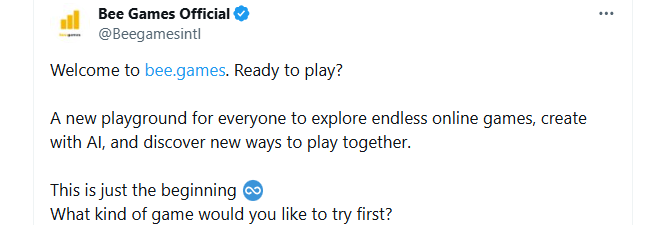
The live numbers at the platform tell the story fast:
-
154.9K+ free games available
-
2.4M+ players already on the platform
-
600+ game studios contributing titles
The infrastructure also carries AI game creation tools and social multiplayer features. The goal is to give the 54-million-strong community something to do inside the ecosystem beyond tapping a mining button once every 24 hours.
This sits inside Phase 2 of the network roadmap, which focuses on community infrastructure, Dapp ecosystems, and node systems. Beegames is the most visible Dapp rollout yet.
Bee Network Manus AI Rolled Out Weeks Before
Before this rollout, the team pushed a separate update — the integration of Manus AI inside the Bee-mining app. They announced it on June 3, 2026, and asked the community what they would build first.
Manus is a task-execution AI. It takes instructions and builds actual outputs, websites, apps, designs, and functional code, all from a chat interface inside the app.
Both Manus AI and Beegames are part of the phase 2 roadmap targets.
Bee Network TGE: What the Roadmap Says About the Launch Date
The project's whitepaper ties the token exchange listing date to Phase 3, which covers growth from 10 million to 100 million users and requires the ecosystem to be "mature and sustainable" before a value exchange marketplace launches.
What the 2026 roadmap requires before a Bee Network listing date can happen:
-
KYC completion across the verified user base
-
Verifier roles fully operational
-
Node and Dapp ecosystem running stably
-
Exchange agreements in place
The realistic window, based on Phase 3 requirements and current build pace, points to late 2026 at the earliest, with many analysts pushing that estimate to 2027 depending on KYC rollout speed.
The coin's total supply is calculated in a different structure.
It grows with user activity and stops when the network hits 1 billion users. The supply formula adds all tokens earned by Pioneers, Ambassadors, and Verifiers, then adds 25% on top for the core development team.
Bee Coin Price Prediction: Analysis from Other Mining Apps
Pi Network is the closest comparison. Pi launched its mining app in March 2019, ran the same daily-tap model, and finally opened its mainnet and exchange listing in February 2025, six years after launch.
Pi debuted on exchanges at $1.47 before pulling back to current levels near $0.15.
That pattern matters for the Bee-Network news cycle. BEE-coin's trajectory depends on how wide and clean the verified user base is at TGE, and how fast real utility, like Beegames, drives retention.
-
Bull case: A clean KYC base of 30M+ verified users and a Tier-1 exchange debut could open the coin prices between $0.50 and $1.50 in the first weeks.
-
Base case: A mid-tier exchange listing with moderate verified supply puts the coin price at $0.05 to $0.20 at open.
-
Bear case: A delayed or fragmented TGE with low liquidity and heavy immediate selling, also seen in Pi's post-debut dip, could open below $0.03 and take months to stabilize.
The community frustration is real. Replies to the recent announcement show tiredness from long waits. But the back-to-back rollouts of Manus AI and Beegames in the same few weeks signal the team is clearing the Phase 2 checklist. TGE is the Phase 3 milestone, and Phase 2 is visibly wrapping up.
Disclaimer: This article is for informational purposes only. The content does not make any claims, guarantees, or investment recommendations.









