Illinois 0.2% Crypto Tax on Transactions, One Sign Away: What Changes?


A 0.2% Crypto Tax Nobody Voted For Just Passed in Illinois: What Now?
Illinois just passed a budget with a crypto surprise buried deep inside. The state legislature approved a 0.2% crypto transaction tax, and digital asset brokers must collect it. Industry groups are furious, calling it midnight policymaking with zero stakeholder input. Here's everything you need to know before it's too late.
What Just Happened in Springfield?
Illinois lawmakers passed the fiscal year 2027 budget with a crypto surprise buried inside. Hidden in the bill is the Digital Asset Privilege Tax Act — a first-of-its-kind measure in the United States.
It targets transactions directly, and digital asset brokers must collect a 0.2% crypto tax on every deal they handle. That applies to every transaction. Swaps, transfers, even moving assets between wallets.
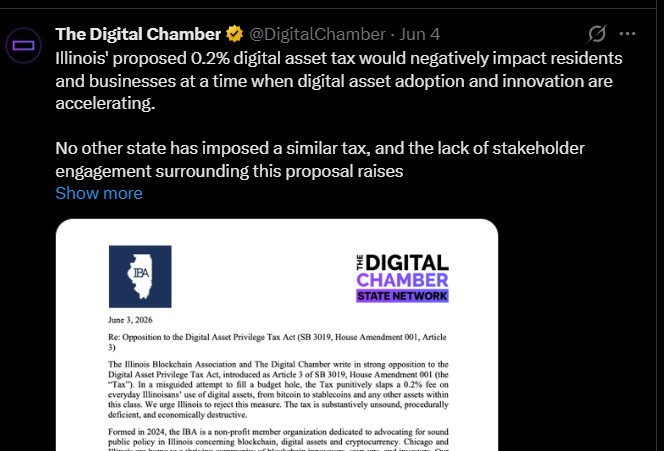
Source: Digital Chamber X
Who Actually Pays This Tax?
The law puts the collection burden on digital asset brokers, but the cost flows straight to users. Imagine you swap Bitcoin for a stablecoin — that move gets taxed on the full asset value, not just your profit. You could actually lose money on a trade and still owe the taxes.
This isn't a capital gains tax. It doesn't care whether you made money. However, some countries care about investors' money. That's why some nations actually bring trading with 0% crypto tax. Read and update yourself
The $60 Million Promise — Real or Fantasy?
State lawmakers believe this 0.2% rate will pull in $60 million every year for Illinois. That's the number driving support for the measure in Springfield. But critics say the math falls apart the moment brokers start packing up and leaving. If businesses exit Illinois, there's nothing left to tax. The bill still needs Governor JB Pritzker's signature before it becomes law.
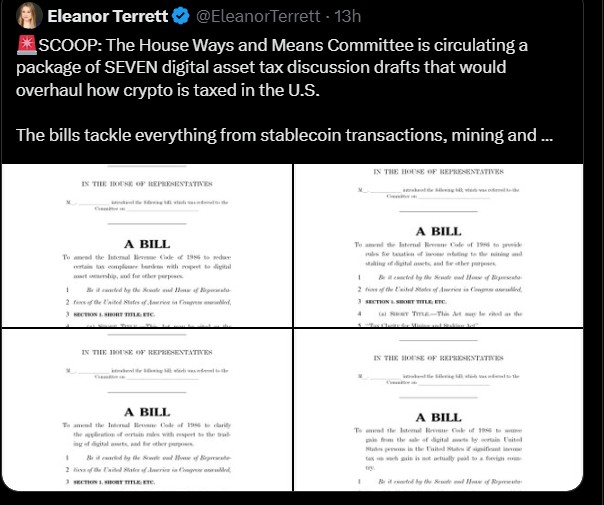
Source: Cody Carbone X
Break the Law? You Could Face a Felony.
This isn't just a taxation story — it's a serious compliance story too. Brokers who don't register by January 1 could face a Class 3 felony charge, which is a criminal penalty that goes far beyond a fine. That puts small crypto businesses in an extremely difficult position, especially with little time to prepare.
Industry Groups Are Furious — And They're Not Hiding It
The Illinois Blockchain Association and The Digital Chamber sent a sharp joint letter to lawmakers this week. Their core complaint is simple: there was zero industry input, no public hearing, and no stakeholder outreach before the tax appeared. It slipped into a floor amendment to an unrelated bill overnight, and the industry only found out afterward.
"No other state currently imposes a transaction-level privilege taxation rate of this nature," the letter stated. Illinois would be the first — and not in a good way.
Washington Is Moving in the Opposite Direction
While Illinois tightens the screws, Congress is actually loosening them. The House Ways and Means Committee released seven draft bills this week covering stablecoin taxes, mining rules, crypto lending, and wash sale rules. Cody Carbone of The Digital Chamber called it encouraging, saying the drafts could deliver "the rate clarity and fairness digital assets deserve."
The contrast couldn't be sharper. One government is opening doors while another is closing them.
So What Happens Next?
Governor Pritzker holds the pen, and he hasn't signed yet. Industry groups are actively urging him to reject the taxing provision before it becomes permanent law. If he signs, Illinois businesses face a real choice — stay and pay, or relocate to a state that won't charge every transaction they touch.
Conclusion
Illinois stands at a crossroads. A taxes designed to raise $60 million could instead push crypto businesses and innovation out of the state for good. The governor's decision in the coming days will define Illinois' place in the fast-growing digital asset world.
Disclaimer: This article is for informational purposes only. It does not constitute financial or legal advice. Consult a qualified professional before making any investment or compliance decisions.






