Ethereum vs Solana: Key Differences, Features & Performance

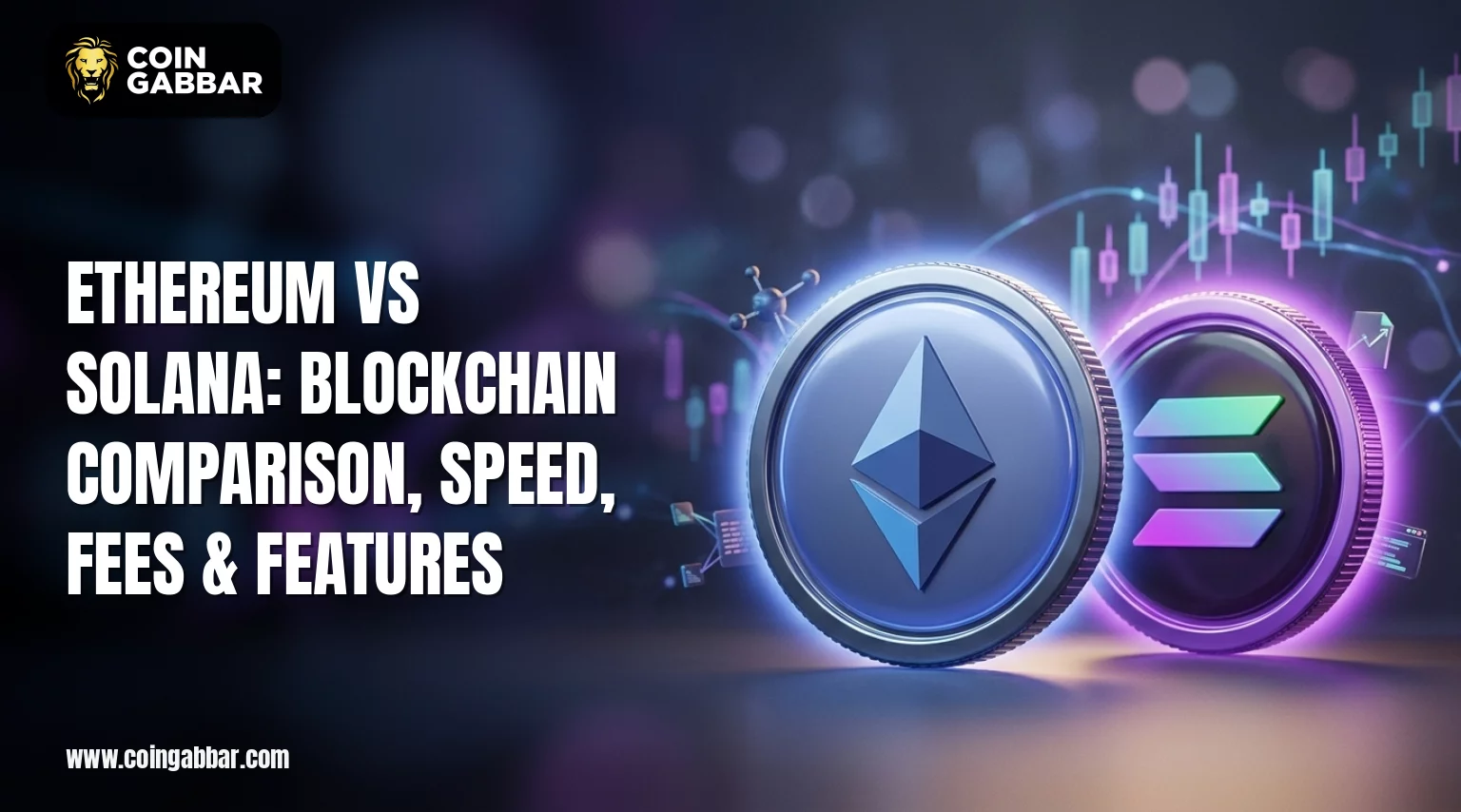
Ethereum vs Solana: Key Differences in Speed, Fees and Technology
The crypto market often finds itself split into two camps, and the Ethereum vs Solana debate sits right at the center of that divide. Both networks power thousands of decentralized applications, yet they take very different paths to get there.
For anyone new to the space, picking between the two isn't just a technical choice. It shapes which apps someone can build, how much they pay in fees, and how fast their transactions actually settle on-chain. This makes the comparison relevant for developers, traders, and everyday users alike.
What Do Ethereum and Solana Actually Mean
Ethereum launched in 2015 as a programmable blockchain, letting developers build smart contracts and decentralized apps on top of it. It's widely seen as the foundation layer for DeFi, NFTs, and much of Web3 as it exists today.
Solana came later, in 2020 , built specifically to solve the speed and cost problems that older chains struggled with. It uses a unique combination of consensus mechanisms to process transactions at a much higher throughput than most competitors.
Both projects have detailed white papers explaining their architecture. Ethereum's original white paper focused on a "world computer" concept, describing a decentralized platform that runs code exactly as programmed.
Solana's white paper introduced Proof of History, a timestamping method that became its core innovation.
Reading through both white papers gives a clearer picture of why the two chains behave so differently under load and why their communities often disagree on which design choice was the better one.
Speed and Transaction Throughput
This is where the Ethereum vs Solana comparison gets interesting fast. Ethereum's base layer processes around 15-30 transactions per second, which used to be a major bottleneck during periods of high demand.
Solana, on the other hand, claims theoretical speeds of up to 65,000 transactions per second. In practice, real-world throughput is lower, but it still comfortably outpaces Ethereum's mainnet on most days.
Ethereum has addressed some of this through Layer 2 rollups like Arbitrum and Optimism, which handle transactions off-chain before settling on the main network. This has narrowed the speed gap considerably over the past couple of years.
Fees: A Major Point of Difference
Gas fees on Ethereum have historically been a pain point, spiking to $50 or more during congested periods. This pushed a lot of smaller users and casual traders toward alternative chains that felt more affordable.
Solana's fee structure looks almost negligible in comparison, often costing a fraction of a cent per transaction. This makes it attractive for high-frequency trading, gaming, and micro-transactions that wouldn't be practical on more expensive networks.
That said, Ethereum's Layer 2 ecosystem has brought fees down significantly for regular users, so the difference isn't always as stark as it once was a few years back.
Consensus Mechanisms Explained
Ethereum moved from proof of work to proof of stake back in 2022, an event known as the Merge. This shift cut its energy consumption dramatically and changed how validators secure the network going forward.
Solana uses Proof of History paired with Proof of Stake, timestamping transactions before they're confirmed. This hybrid approach is a big reason behind its high-speed processing and lower per-transaction cost.
Both mechanisms aim for security and decentralization, but they reach those goals through fairly different engineering trade-offs, which is part of why comparisons between the two rarely land on a simple winner.
Smart Contracts and Developer Ecosystem
Ethereum uses Solidity as its primary smart contract language, and it has the largest, most mature developer community in crypto. Most new protocols still launch on Ethereum first before expanding elsewhere.
Solana uses Rust and C for its smart contracts, which has a steeper learning curve for many developers coming from a Web2 background. This has slowed adoption slightly among smaller teams.
Despite that, Solana's ecosystem has grown fast, especially in NFTs, gaming, and meme coin trading, where speed and low fees genuinely matter more than raw developer familiarity.
Scalability and Roadmap Plans
Ethereum's scalability roadmap leans heavily on rollups and sharding, spreading the load across multiple layers instead of overloading the base chain. This is often called the "rollup-centric roadmap," and it's been the guiding plan for several years now.
Solana takes a different approach, scaling directly at the base layer through hardware improvements and parallel transaction processing. Its roadmap includes further upgrades like Firedancer, a new validator client aimed at boosting reliability and throughput.
Both roadmaps are worth following closely, since upgrades on either side can shift the balance of speed, cost, and reliability between the two networks.
Security and Network Stability
Ethereum has never suffered a full network outage since launch, and its decentralization across thousands of validators is often cited as its biggest security strength among long-term holders.
Solana has faced multiple network outages in the past, which raised concerns about its resilience during high-traffic events. The team has since made upgrades to address these issues, and stability has improved over recent network cycles.
Ecosystem Size and Adoption
Ethereum still holds the largest total value locked (TVL) in DeFi by a wide margin, and it remains the preferred chain for institutional-grade projects and regulated products.
Solana has carved out a strong niche in retail-focused activity, particularly meme coins, NFT marketplaces, and consumer apps that benefit from its speed and near-zero fees.
Quick Comparison
| Feature | Ethereum | Solana |
| Launch Year | 2015 | 2020 |
| Consensus | Proof of Stake | Proof of History + Proof of Stake |
| Avg. Transaction Speed | 15-30 TPS (base layer) | Up to thousands of TPS |
| Average Fees | Low with L2s, higher on the mainnet | Near-zero |
| Smart Contract Language | Solidity | Rust, C |
| Network Uptime | No major outages | Past outages, improving |
| Dominant Use Case | DeFi, institutional apps | Meme coins, NFTs, consumer apps |
Price Predictions for Both Coins
Anyone tracking ETH closely often looks up the Ethereum price prediction to get a sense of where analysts think the token is headed. This listing is usually updated regularly based on market trends, adoption data, and technical indicators.
Similarly, those following SOL tend to check the Solana price prediction listing for a broader view of expected price movement. It also gets refreshed often, making it a useful starting point before making any investment decision.
Risk Factors to Keep in Mind
-
Ethereum's fees can still spike during periods of extreme network demand, even with Layer 2 support in place
-
Solana's history of outages means network reliability is still something users should watch closely
-
Regulatory changes around either network could affect price and adoption in either direction
-
Both assets remain highly volatile compared to traditional financial instruments
-
Competing Layer 1 chains continue to challenge both networks for market share and developer attention
-
Roadmap delays on either side could slow down expected upgrades and impact investor sentiment
Conclusion
The Ethereum vs Solana comparison ultimately comes down to what a user values most. Ethereum offers battle-tested security and a mature ecosystem, while Solana offers raw speed and minimal fees for everyday transactions.
Both projects continue to evolve through their respective roadmaps, and neither is likely to disappear from the top of the market anytime soon. The right choice depends on individual priorities around cost, speed, and risk tolerance.
Disclaimer
This article is for informational purposes only and should not be considered financial or investment advice. Cryptocurrency markets are highly volatile, and readers should conduct their own research or consult a financial advisor before making any investment decisions.