GramNetwork Wallet Guide: How to Secure Your GRM Before Mainnet

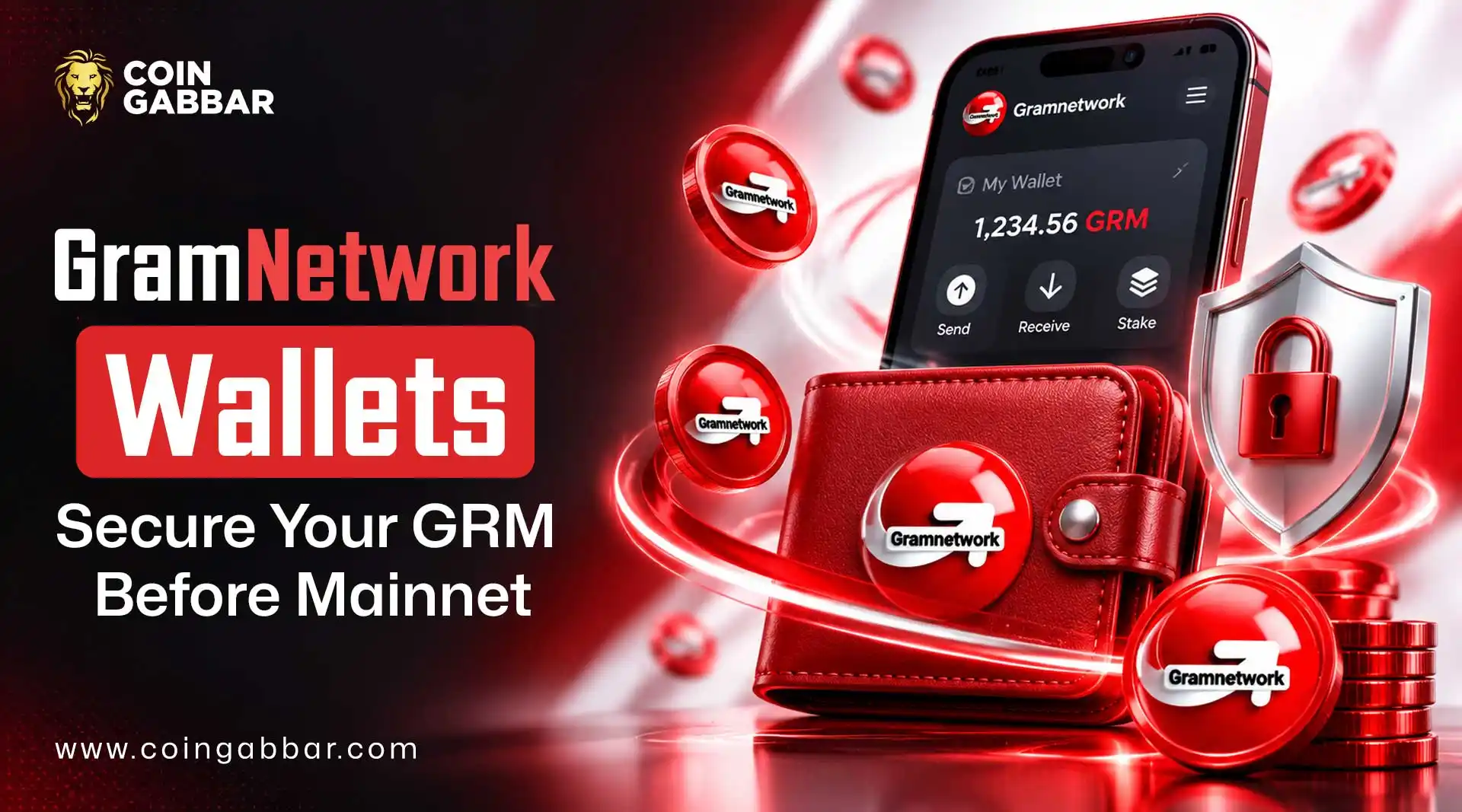
How to Secure Your GramNetwork Wallet and Protect GRM Before Mainnet
Every GRM token mined through GramNetwork's Telegram bot currently sits in one place: the GramNetwork wallet built into the app itself. As the project moves closer to its planned mainnet launch, that in-app balance is meant to convert into a real, on-chain asset, which makes understanding and securing this wallet more important than it might seem right now.
This guide walks through what the GramNetwork wallet actually is, how your mined GRM is expected to move on-chain, and the security habits worth building now, before mainnet arrives and real value is on the line.
Key Takeaways
The GramNetwork wallet currently holds your mined GRM balance inside the app, ahead of a planned conversion to an on-chain wallet at mainnet launch.
No crypto wallet, custodial or otherwise, should ever require you to share a recovery phrase or seed words with anyone, including "support" accounts.
Wallet security habits matter more the closer a project gets to mainnet, since that's when in-app balances start carrying real, tradeable value.
What Is the GramNetwork Wallet?
Right now, the GramNetwork wallet functions as an in-app balance tracker. Every GRM you earn through mining, task completion, or referrals gets recorded here, inside the Telegram bot itself. It isn't yet a blockchain wallet in the traditional sense, since GramNetwork's own network hasn't launched.
That changes at mainnet. According to the project's stated roadmap, mined balances are expected to convert into an on-chain wallet once GramNetwork's blockchain goes live. At that point, GRM stops being a number inside an app and becomes an actual crypto asset you can hold, transfer, or trade, assuming the network launches as planned.
Source: Official website
This distinction matters. Until mainnet, your GRM balance depends entirely on GramNetwork's own systems staying secure and the project delivering on its roadmap. Treating the current wallet with the same caution you'd apply to any crypto holding is a smart habit to build early, not something to figure out after mainnet already ships.
How Your GRM Balance Moves On-Chain
The general pattern for Telegram mining projects like this one is fairly consistent across the space: an off-chain balance accumulates during the mining phase, then converts to an on-chain token at a Token Generation Event, typically tied to mainnet launch.
For GramNetwork specifically, this means your current in-app GRM total is a placeholder for what should eventually become a real token in a wallet you fully control. The exact mechanics of that conversion, including any snapshot dates or claim windows, should always be verified directly through GramNetwork's official channels closer to launch, since these details are the kind that commonly shift as a project's timeline evolves.
Security Habits to Build Before Mainnet
Whether or not GramNetwork's wallet has launched fully on-chain yet, the following habits apply to any crypto wallet, present or future, and are worth building now:
Never share your recovery phrase. No legitimate wallet, support agent, or project team will ever ask for your seed words. This single rule prevents the vast majority of wallet theft.
Enable two-factor authentication where available. If GramNetwork's app or any connected wallet offers 2FA, turn it on. It adds a meaningful barrier even if your password or account gets compromised elsewhere.
Write down recovery details offline. Screenshots and cloud notes can be accessed remotely if a device or account gets compromised. A physical, offline copy stored somewhere safe is far harder to steal.
Double-check every transaction before confirming. Once mainnet goes live and transfers become possible, remember that blockchain transactions can't be reversed. Always verify the recipient address, network, and amount before confirming anything.
Only use official links. Bookmark GramNetwork's verified website and Telegram bot directly, rather than clicking links shared in random groups or forwarded messages.
Common Wallet Scams to Watch For
Pre-mainnet projects are a favorite target for scammers, precisely because users are excited and often unfamiliar with what a legitimate process actually looks like. A few patterns to stay alert to:
Fake "wallet verification" bots asking for your seed phrase to "sync" your balance
Urgent messages claiming your GramNetwork wallet will be "locked" unless you act immediately
Third-party sites offering to "boost" your GRM balance for a fee
Cloned Telegram bots using near-identical names or logos to the real GramNetwork bot
None of these are unique to GramNetwork, but they show up around nearly every Telegram mining project as it nears a token launch. The fact that GramNetwork's current mining process is free to join makes any request for payment or "activation fees" an immediate red flag.
It's also worth remembering that scam attempts tend to spike right before major milestones, not during quiet periods. As GramNetwork gets closer to its mainnet date, expect more impersonation attempts, more urgency-driven messaging, and more fake "early access" offers circulating around the project's name. Treating every unsolicited message about your wallet with skepticism, even ones that look official, is a reasonable default during this stretch.
Custodial vs. Self-Custody: What Changes at Mainnet
Right now, the GramNetwork wallet is essentially custodial by nature. Your balance lives inside GramNetwork's own systems, meaning the project itself controls the underlying ledger until mainnet converts things on-chain.
Once that conversion happens, the expectation for most projects structured this way is a shift toward self-custody, where you hold your own private keys or seed phrase, and no third party, including GramNetwork itself, can access or move your funds without your authorization. This shift is a meaningful upgrade in control, but it also shifts responsibility. In a self-custody wallet, there's no "forgot password" recovery option the way there is with a typical app account. Your seed phrase becomes the only way back in, which is exactly why offline backups matter so much heading into that transition.
Why This Matters More as Mainnet Approaches
Right now, a compromised in-app balance is frustrating but limited in real damage, since the GRM hasn't converted into a tradeable asset yet. That changes the moment mainnet launches. Once your GramNetwork wallet holds real, on-chain GRM, the same balance becomes a genuine target, and the irreversible nature of blockchain transactions means mistakes or stolen credentials can't be undone.
Source: Official GRM whitepaper
Building good habits now, before there's real value at stake, means you won't be learning wallet security under pressure right as GramNetwork's mainnet and Token Generation Event actually arrive.
Final Thoughts
The GramNetwork wallet is still in its early, in-app phase, but the security habits that protect it now are the same ones that will protect your GRM once it moves on-chain. Enable available security features, never share recovery details, and always verify official links before mainnet turns your mined balance into something with real, tradeable value.
Disclaimer
This article is for informational purposes only and is not financial advice. Cryptocurrency projects, especially pre-launch tokens, carry significant risk. Always verify claims through official channels before making any financial decision.










.jpg)




