Multi-signature wallets: Why They Are the Future of Crypto Security

Multi-signature wallets: How to Set Up a Wallet Step by Step
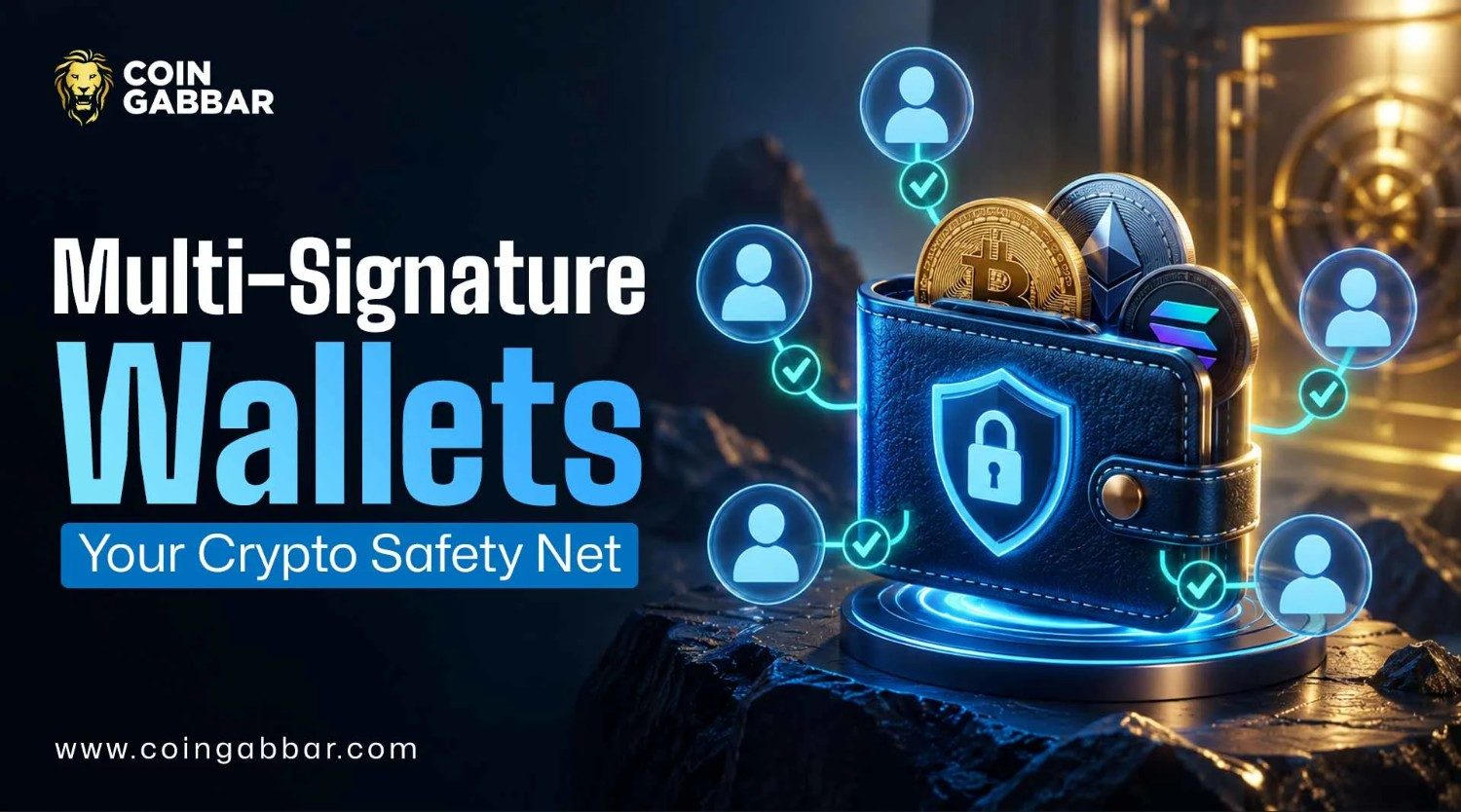
Imagine a safe that simply won't open unless two or three different people show up with their own key at the same time. That's the basic idea behind a multisig wallet.
Nobody holds all the power alone; control gets split across several people or devices instead. So if one key gets stolen, or someone fat-fingers a mistake, the funds don't just walk out the door.
That's the whole reason businesses, crypto exchanges, and cautious investors keep turning to a multi-signature wallet instead of trusting everything to one single key.
What Is a Multi-Signature Wallet?
Think of it like a shared locker at a bank, one that only opens once two keys turn together.
A multi-signature wallet works on that same logic, just built into code instead of metal. A common version is "2-of-3": out of three approved people, any two of them need to agree before a transaction actually goes through.
Most people just shorten it to "multi-sig," and it's become a go-to way to keep bigger crypto balances safe from theft, scams, or good old-fashioned human error.
Benefits of Using a Multi-Signature Wallet
There's no shortage of reasons people lean toward this setup over a regular wallet. For one, stealing funds gets a lot harder, since a hacker now has to crack into several devices instead of just one.
There's also no more "single point of failure"; losing one key doesn't wipe out everything anymore. Companies especially like this, since a multisig wallet keeps any one employee from moving company money without anyone else knowing.
And when a few people have to agree before anything moves, it just naturally builds a little more trust all around.
How a Multi-Signature Wallet Works
Rather than one password guarding everything, this type of wallet runs on separate cryptographic keys held by different people.
Say someone wants to send funds; the wallet fires off a request to everyone allowed to sign. Each person then signs using their own private key. Once enough signatures roll in, the transaction finally goes through on the blockchain.
If not enough people sign, it just sits there, stuck in limbo, going nowhere. Honestly, that pause is the whole point; it's what keeps the money from disappearing in a hurry.
How to Set Up a Multi-Signature Wallet: Step by Step
-
Pick a platform: Find a provider people actually trust for this kind of wallet, whether that's a hardware brand or a blockchain-based service.
-
Choose the signing threshold: Decide on the number of signatures required. 2 out of 3 and 3 out of 5 are quite common, depending on your requirements.
-
Include the key holders: Include everyone who will hold a key in the setup process.
-
Generate the keys: Each user generates their own key, isolated from everyone else's.
-
Do a small test: Before transferring actual money, run a small transaction through the wallet to check that everything works correctly.
-
Keep keys separate: Each key needs to be stored in a separate place; a hardware device or offline storage works well for this.
-
Use it for real: After testing, the wallet can be used for regular transactions.
Types of Multi-Signature Wallets Explained
-
2-of-2 Wallets: Both individuals must give their signature, and nothing else. An ideal choice for couples and business partners who seek equal authority.
-
2-of-3 Wallets: The most common option today. It requires only two out of three signatures to validate a transaction.
-
3-of-5 Wallets: A popular choice among businesses with a leadership group, since a majority needs to approve something.
-
Hardware-Based Wallets: Keeps all your keys on physical hardware, protecting them from online attacks and storing your private key away from the Internet.
-
Software-Based Wallets: Uses software or an app to validate transactions, making things convenient but more dependent on device security.
-
Custodial Setups: A third party keeps part of the control, which can be a nice safety net for beginners still finding their footing.
-
Non-Custodial Setups: No outside company is anywhere near it; the key holders keep full control and privacy.
-
Time-Locked Wallets: Build in a short waiting period before anything finalizes, giving people a chance to catch something suspicious before it's too late.
Comparison Table
| Wallet Type | Best For | Security Level |
| 2-of-2 | Partnerships | Medium |
| 2-of-3 | Individuals & small teams | High |
| 3-of-5 | Companies | Very High |
| Hardware-Based | Long-term storage | Very High |
| Software-Based | Daily use | Medium |
| Custodial | Beginners | Medium |
| Non-Custodial | Privacy-focused users | High |
| Time-Locked | Extra caution | High |
Which Multi-Signature Wallet Is Best?
Honestly, it comes down to what someone actually needs. For personal use, a 2-of-3 hardware-based wallet is usually the safest route.
Bigger companies tend to go with a 3-of-5 setup, since it spreads control across more hands.
Beginners who want a little support often start custodial, while anyone who cares more about privacy usually ends up with a non-custodial wallet instead.
Why Multi-Signature Wallets Are the Future of Crypto Security
As crypto keeps climbing in value, more people are starting to see this kind of wallet as just the normal way to store it safely. Single-key wallets are simply too easy a target these days.
A multisig wallet fixes that by spreading the risk across several approvals instead of leaving it all riding on one key. That's a big part of why exchanges, DeFi platforms, and everyday users alike are drifting toward this setup; it's just where crypto security is heading.
How Multi-Signature Wallets Protect Crypto Funds
At its core, this setup works because no single person can move money on their own.
That one detail alone shuts down most common attacks: phishing attempts, stolen devices, and all of it. Even if someone manages to steal one key, the funds stay put, since the attacker still needs the others to sign off too.
That layered approach is really why a multi-signature wallet keeps earning its reputation as one of the safer ways to hold digital assets.
Conclusion
Ultimately, multi-signature wallets represent much more than just technological improvements; they symbolize safety, period.
By making several keys responsible for signing transactions, users can rest assured that one wrong password or one click on an innocent-looking link won't make their entire crypto collection vanish in thin air.
Be it an individual safeguarding personal money or a corporation handling funds that belong to everyone, a multi-signature wallet provides a safety net that ordinary wallets simply can't offer.
As cryptocurrencies become part of everyday routine, such innovations will likely become standard practice rather than optional.
Disclaimer
This article is meant for general informational purposes only and shouldn't be treated as financial, investment, or security advice. Cryptocurrency and digital wallets come with real risks, so anyone considering a multi-signature wallet should do their own research or talk to a qualified professional before making financial decisions.








.jpg)