Coinstore Exchange Listings and New Token Updates
Explore recent Coinstore exchange listings, token symbols, trading pairs, dates, networks, deposit/withdrawal times, and listing status before taking action.













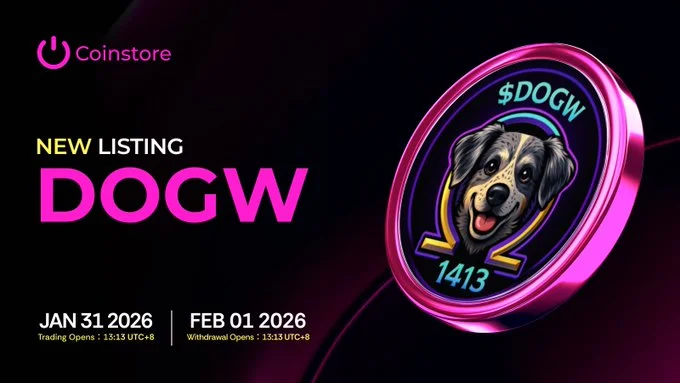

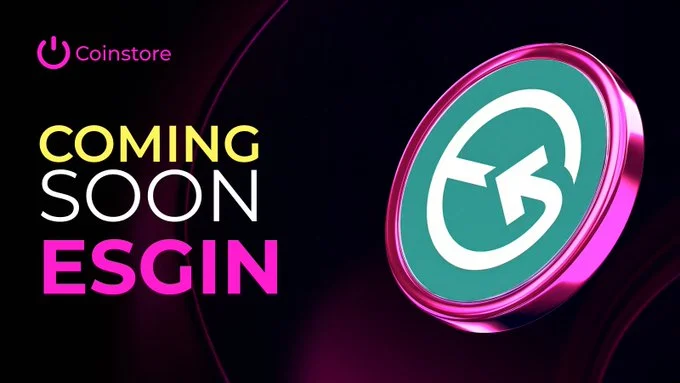
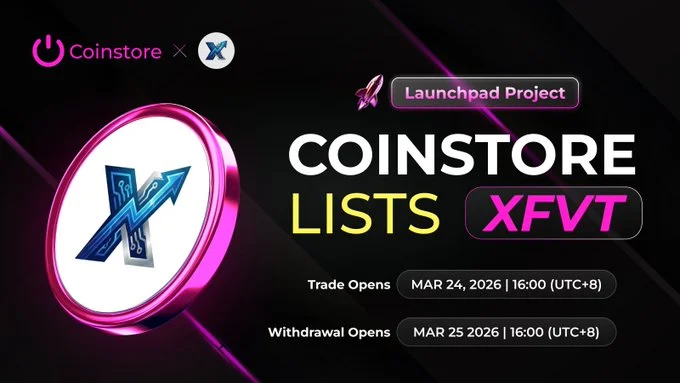

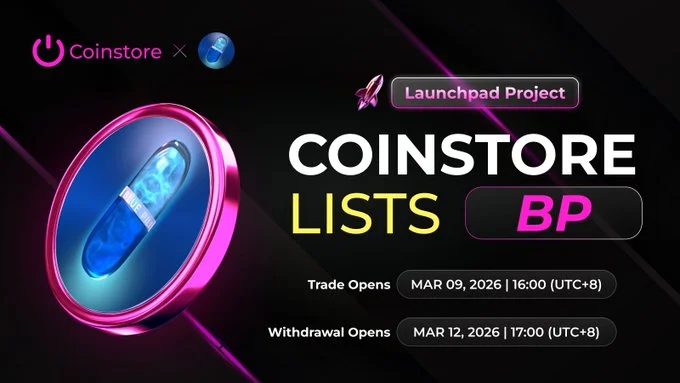
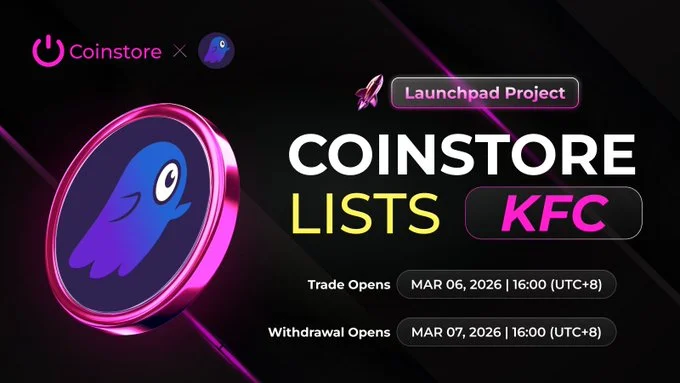
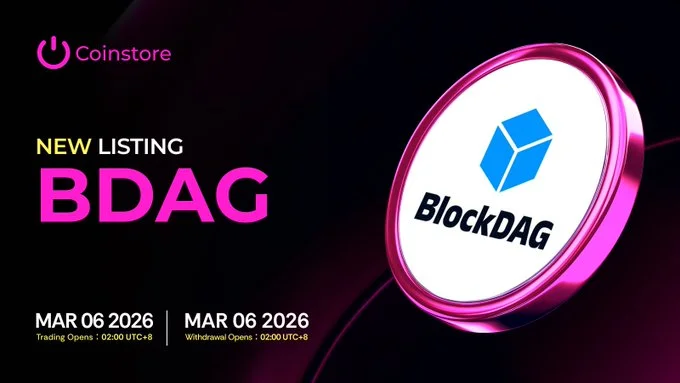


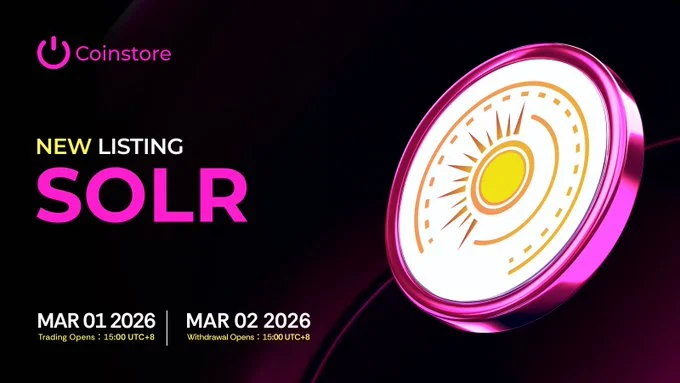

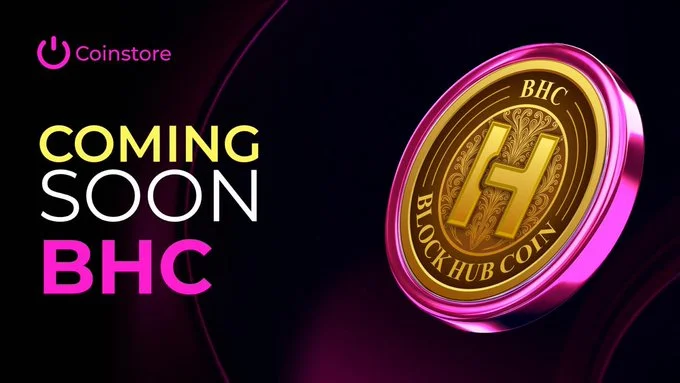
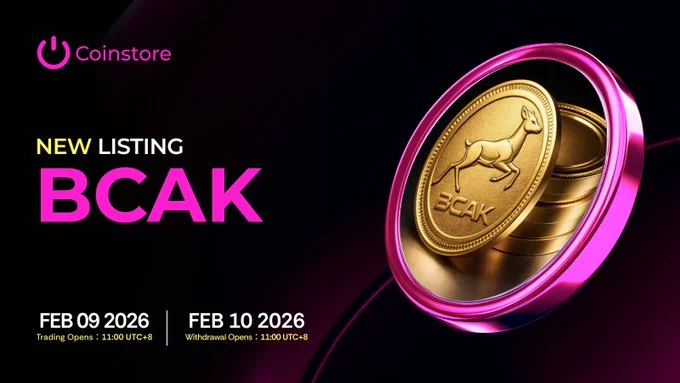
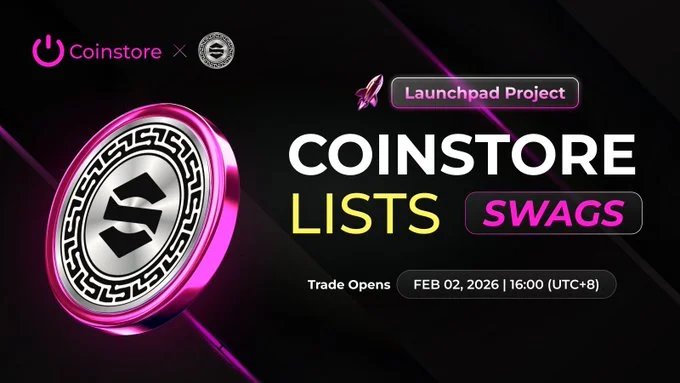
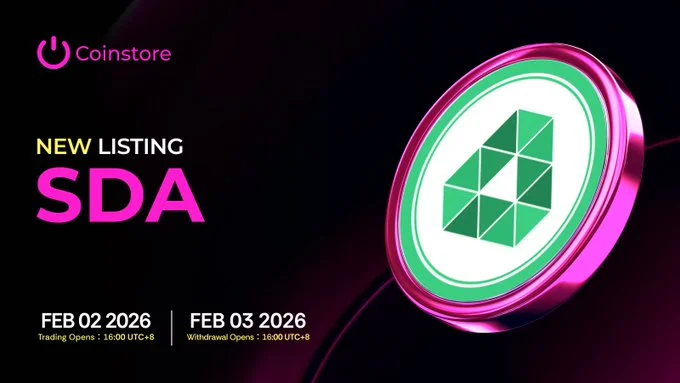
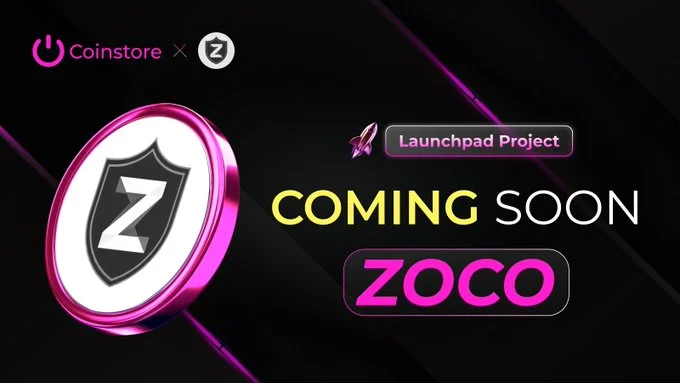
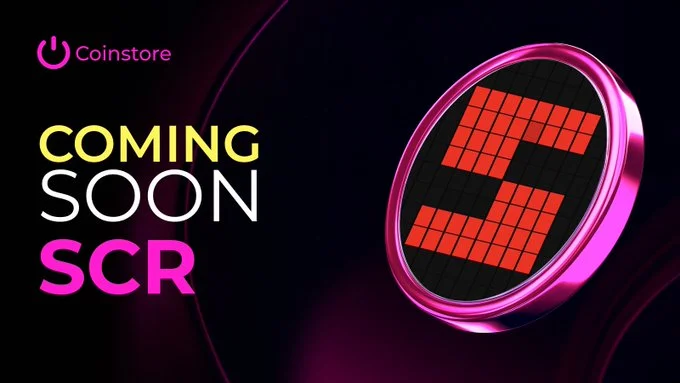
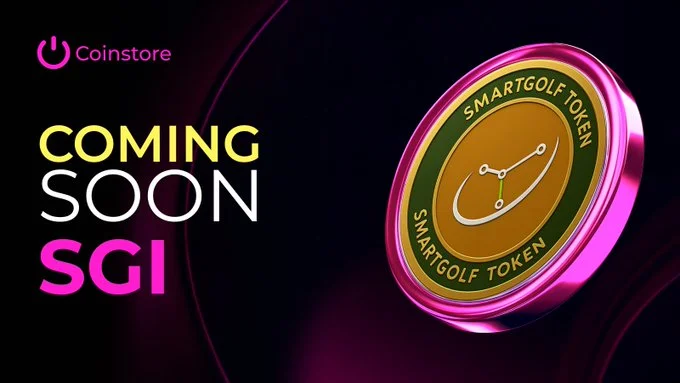
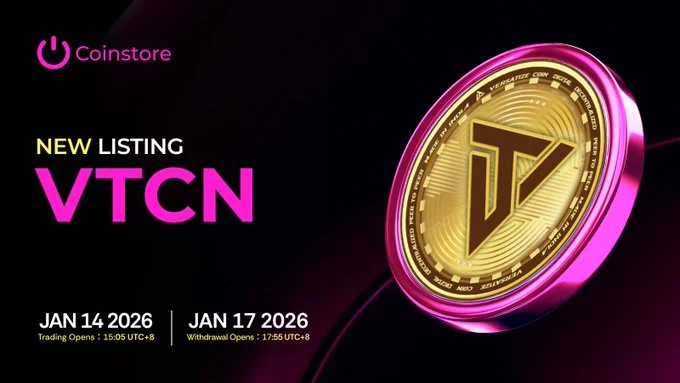
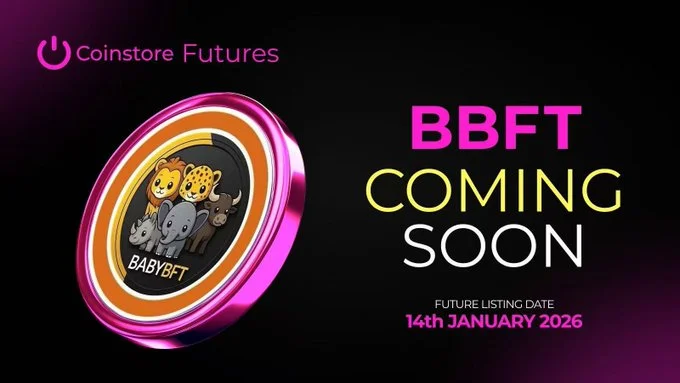

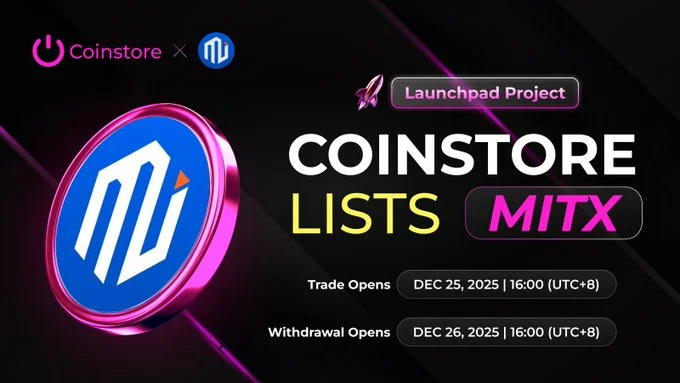
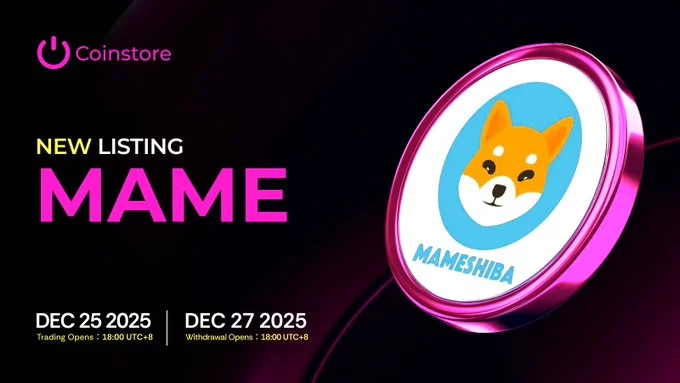
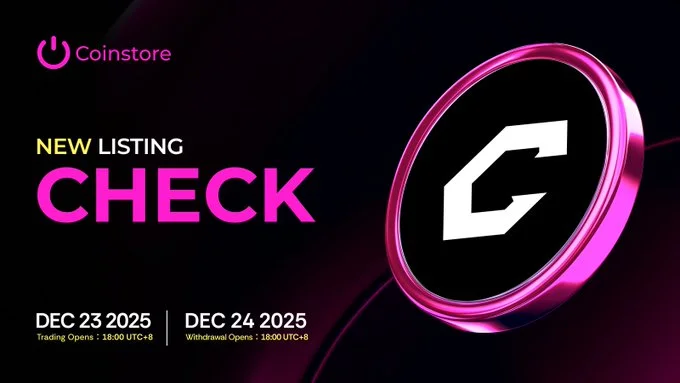
Read a Coinstore Listing in Three Steps
Every Coinstore new listing may include several separate steps. Looking only at the trading date can cause mistakes because deposits, trading, and withdrawals may not open at the same time.
Start by reading the full listing details. Then check the listing schedule, supported network, and trading pair before moving any funds.
Check the Three Listing Times
A token listing normally has three important stages:
- Deposit opening: Users can send the supported token to the exchange.
- Trading opening: The announced trading pair becomes available.
- Withdrawal opening: Users can move the token away from the platform.
These stages may start at different times. A token may accept deposits before trading begins. Withdrawals may also open later.
Always check the time zone shown in the announcement. Convert it into your local time so you do not arrive too early or miss the opening.
Confirm the Market Pair
A market pair shows which asset can be used to trade the new token. For example, ABC/USDT means users can trade ABC against USDT.
Do not assume that every new token listing will have many trading pairs. A Coinstore token listing may start with only one pair. More pairs may be added later, but they are not confirmed until an official update is shared.
For a wider look at events across multiple platforms, visit CoinGabbar’s new crypto exchange listings page.
What This Coinstore Listing Page Shows
This page is built to help users check important Coinstore listing updates in one place. It can show what token is being listed, when trading may begin, which network is supported, and what users should verify.
The table below explains the common fields shown in a Coinstore listing.
| Listing Field | What It Tells You | Why It Matters |
|---|---|---|
| Token name | Full name of the crypto asset | Helps identify the right project |
| Ticker | Short token symbol | Helps avoid similar token names |
| Trading pair | Assets available for trading | Shows which currency is needed |
| Listing date | Planned trading start | Helps users prepare |
| Deposit status | Whether deposits are open | Helps prevent early transfers |
| Withdrawal status | Whether transfers out are open | Helps users plan token movement |
| Network | Supported blockchain | Helps prevent wrong-network transfers |
| Listing status | Upcoming, active, or completed | Shows the current listing stage |
| Reward type | Any announced token or campaign reward | Helps explain extra listing benefits |
| Last verified | Date the listing details were checked | Gives users a freshness signal |
Listing schedules can change because of network problems, technical checks, market conditions, or project requests. Treat every displayed time as planned information and verify it again before acting.
How CoinGabbar Reviews Coinstore Listings
CoinGabbar aims to make exchange listing information easier to check. Listing details should be reviewed against available official information before users rely on them.
The review process may include:
- Checking the token name and ticker
- Reviewing the listed trading pair
- Checking the listing date and time
- Confirming the supported blockchain network
- Reviewing deposit and withdrawal status
- Checking the project or exchange announcement
- Looking for contract address details
- Watching for major changes or delays
- Marking the listing as upcoming, active, or completed
Users should still verify important details on official channels before sending funds or placing a trade.
A Listing Is Not a Safety Certificate
An exchange listing may make a token easier to buy or sell, but it does not remove financial risk. It also does not prove that the project will meet its goals or keep an active market.
New crypto tokens often have very little trading history. This makes their fair value harder to judge. Early prices may move because of excitement, low liquidity, or a small number of large holders.
Questions to Ask Before Trading
Research these points before buying a newly listed token:
- What problem does the project claim to solve?
- Is the team publicly identified?
- Is the smart contract address verified?
- Has the contract received an independent security audit?
- What is the total token supply?
- What is the circulating supply?
- How many tokens are held by the team and early buyers?
- When will locked tokens enter circulation?
- Is there a working product?
- Does the token have enough market liquidity?
- Are project updates the same across official channels?
A polished website or a large social following is not enough. Read project documents and compare claims with activity that can be checked.
You can also follow broader crypto trading news to understand whether market sentiment, exchange updates, or major events may affect new listings.
Use the Listing Radar, Not the Hype
Coinstore upcoming listings can attract strong attention before trading starts. This period may also bring fake links, copied token pages, false contract addresses, and large price claims.
A simple listing radar can help you focus on facts. Check token identity, listing time, supply, liquidity, security, and project activity before thinking about possible returns.
Verify Token Identity
Different projects can use similar names or ticker symbols. A fake token can also copy the logo and branding of a real project.
Match the contract address shown by the project with the address supported by the exchange. Check the blockchain network at the same time.
Never send a token based only on its name, ticker, or logo.
Review Supply Pressure
Token supply can strongly affect early trading. A low circulating supply can cause sharp price changes. Large token unlocks may create more selling pressure later.
Check:
- Total token supply
- Circulating supply at launch
- Team allocation
- Investor allocation
- Community rewards
- Treasury holdings
- Vesting periods
- Future unlock dates
- Token burn rules, when used
Market value should be studied together with supply. A low token price does not always mean the asset is cheap.
Inspect Real Utility
Ask why the token is needed.
Its use may include:
- Payments
- Platform access
- Governance
- Staking
- Rewards
- Gaming
- Data services
- Network fees
Real utility should connect to a working product or clear system. Be careful when a project makes large claims but gives no working example, user data, or clear development plan.
For deeper market context, compare the token with current data available through CoinGabbar’s crypto price prediction section. Predictions are estimates and are not guaranteed outcomes.
What Can Happen When Trading Opens
A Coinstore listing today may create fast trading activity during the first minutes or hours. Buyers and sellers are trying to find a market price at the same time.
This can cause wide price spreads and sudden moves. The first price shown on the screen may not be the same price you receive when an order is completed.
High Opening Volatility
Demand can rise fast when a new token gets more exposure. Early holders may also use the listing event to sell.
These two actions can cause long price moves and quick reversals.
A sharp rise does not prove that the token has gained lasting value. A fast fall does not always mean the project has failed. Early movement can come from low liquidity and emotional trading.
Slippage and Thin Order Books
Slippage happens when an order is filled at a different average price than expected. It is more common when the order book has only a few buy and sell orders.
Market orders may fill across several price levels. A limit order gives users more control because it sets the highest buying price or lowest selling price they are willing to accept.
Temporary Transfer Delays
Heavy activity or technical work can slow deposits and withdrawals. A project may also delay a network launch, bridge update, or contract change.
Do not send funds again just because a transfer is slow. First check the transaction on a blockchain explorer and review the exchange’s latest notice.
Follow latest crypto news for market events that could affect exchange activity, liquidity, or investor sentiment.
A Safer Routine for New Coinstore Listings
A simple routine can reduce rushed decisions. It helps users check facts before moving money and set a clear risk limit before trading.
Use the steps below for each Coinstore new token listing.
Before the Listing
- Read the full listing announcement.
- Confirm the token symbol.
- Check the contract address.
- Note deposit, trading, and withdrawal times.
- Convert the listed time into your local time.
- Verify the supported blockchain network.
- Study token supply and unlock details.
- Check for a security audit.
- Review the project website and documents.
- Decide the maximum amount you can afford to lose.
When Trading Begins
- Check whether the order book has enough depth.
- Compare buy and sell prices.
- Avoid chasing a sudden price rise.
- Consider using a limit order.
- Start with a small amount.
- Recheck trading fees.
- Confirm the network before transferring tokens.
- Save the transaction record.
After the Trade
Track project updates, liquidity, trading volume, development work, and token unlocks.
Do not judge a new crypto asset only by its first-day price.
Review the reason you bought the token. If the facts no longer support that reason, review your position again instead of relying on hope.
Common Warning Signs Around Listings
New exchange listings are often used in misleading promotions. Scammers know users may act quickly when they fear missing a new token launch.
Pause if you notice these warning signs:
- Guaranteed returns after listing
- Private messages offering early access
- Requests for a seed phrase or private key
- Different contract addresses on different channels
- Copied or unfinished whitepapers
- Anonymous teams with no clear work history
- No explanation of token allocation
- Very high insider ownership
- Large unlocked team holdings at launch
- Fake countdown pages
- Pressure to send funds at once
- Support accounts contacting you first
No real exchange or project support worker needs your seed phrase.
Never enter a seed phrase or private key into a website, chat, form, or wallet-verification page.
Why Track Coinstore Upcoming Listings
A dedicated Coinstore listings tracker can save time by placing important listing data in one format.
It may help users compare new token listings without treating every new coin as an investment opportunity.
The page may help with:
- Finding newly announced Coinstore trading pairs
- Checking Coinstore upcoming listings
- Reviewing active Coinstore listings
- Looking at completed listing events
- Checking deposit and withdrawal stages
- Comparing supported blockchain networks
- Building a personal token watchlist
- Following tokens after a presale or launch
- Tracking new token listing dates
- Reviewing listing status changes
Some projects reach an exchange after a public token sale. You can explore the crypto presale list to study earlier project stages, but both presales and exchange listings can carry high risk.
Track Coinstore Listings With Facts First
Coinstore exchange listings can help users discover new crypto assets and trading pairs, but speed should never replace research.
Before acting, confirm:
- Listing date and time
- Trading pair
- Supported network
- Contract address
- Deposit status
- Withdrawal status
- Token supply
- Liquidity
- Project activity
- Listing status
Use the listing tracker to organize facts, not to predict guaranteed gains.
Keep trade sizes controlled, avoid unofficial links, and never use money needed for food, rent, bills, school, or other important needs.
Crypto assets can move up or down very quickly. You may lose part or all of the money you use. Always do your own research and consider qualified financial, legal, or tax advice when needed.
Disclaimer
This page is for general information only. CoinGabbar does not provide financial, investment, legal, or tax advice. Crypto assets and newly listed tokens can be highly risky and may lose value quickly.
Exchange listing dates, trading pairs, deposit times, withdrawal times, networks, and token details may change without notice. Always verify the latest information through official Coinstore and project channels before taking any action.
A Coinstore listing does not mean that CoinGabbar or the exchange guarantees the safety, quality, future price, or success of a token. Always do your own research and only use money you can afford to lose.




