Trading Token Listings and New Exchange Launches
Track new and upcoming trading token listings, exchange launch dates, trading pairs, listing status, and key details to support safer crypto research.
| Date / Time | Coin Name | Exchange | Listing / Delisting | Already Listing | Action |
|---|---|---|---|---|---|
| TBA |

Bybit
|
Listing | 1 | Backpack ($BP) | |
| TBA |

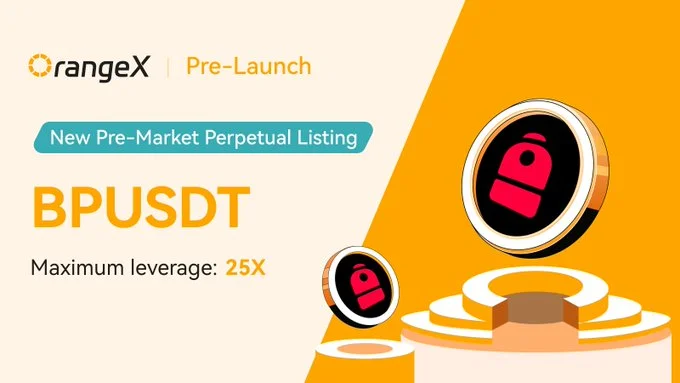
OrangeX
|
Listing | 1 | Backpack ($BP) | |
| TBA |

Gate
|
Listing | 1 | Backpack ($BP) | |
| TBA |
Gate
|
Listing | 1 | SPACE ($SPACE) | |
| TBA |

WEEX
|
Listing | 1 | CNKTPLUS ($CNKT) | |
| TBA |

Bitrue
|
Listing | 1 | Genius ($GENIUS) | |
| TBA |
WEEX
|
Listing | 1 | Bigshortbets ($BIGSB) |




Listing details may change after an exchange or project posts a new update. Coin Gabbar reviews listing information from available project and exchange announcements, but users should always check the latest official source.
What Counts as a Trading Token?
A trading token is a crypto asset linked to a product or service used for buying, selling, swapping, or managing digital assets. Some tokens are used to pay fees. Others may give access to trading tools, rewards, voting, or liquidity services.
Some trading tokens are issued by central crypto platforms. Others work inside decentralised apps, where users can trade through smart contracts without a central operator.
Common Types of Trading Tokens
Trading category tokens can support many types of crypto trading products and market tools. Common examples include:
- Exchange utility tokens
- Decentralised trading protocol tokens
- Liquidity and market-making tokens
- Derivatives platform tokens
- Copy-trading ecosystem tokens
- Trading bot and automation tokens
- Order-book infrastructure tokens
- Portfolio management tokens
- Settlement and clearing tokens
- Cross-chain trading tokens
The token category alone does not show its real value. Check what the token does, who may need it, and whether people are using the related platform.
For a wider view of listings across all market categories, explore the latest crypto exchange listings.
What the Trading Listing Tracker Shows
The trading listing tracker helps users find new token listings in one place. Instead of checking many separate pages, users can compare key exchange listing details more quickly.
The amount of data shown may differ for each project. Some exchanges publish full listing details early, while others update the information closer to the trading launch.
Important Listing Details
These fields can help you understand a new crypto exchange listing and check whether the information is complete.
| Listing Detail | What It Tells You | Why It Matters |
|---|---|---|
| Token name | The project and asset name | Helps identify the correct project |
| Token symbol | The short trading ticker | Helps avoid tokens with similar names |
| Exchange | Where trading may become available | Shows where users may access the token |
| Listing date | Planned or confirmed launch time | Helps users follow the correct schedule |
| Listing status | Upcoming, active, ended, or delayed | Shows the current stage |
| Trading pair | The asset paired with the new token | Shows what users may trade it against |
| Listing type | Listing or delisting | Prevents confusion about the update |
| Source details | The supporting exchange or project notice | Helps users verify the update |
Always confirm the final date, time, supported network, deposit status, withdrawal status, and trading pair through official project and exchange channels. A planned listing may be delayed, changed, or cancelled.
Why New Trading Token Listings Get Attention
Trading platforms depend on users, liquidity, and trading activity. A new exchange listing can make a token easier for more people to find and trade.
This can increase public attention and market access. However, wider access does not always mean strong demand or long-term growth.
Some newly listed tokens get high trading volume for a short time and then lose attention. Other tokens may start slowly and gain activity later if their platform grows.
Possible Effects of a New Listing
A trading token listing may lead to:
- More public awareness
- New trading pairs
- Higher short-term trading volume
- Wider token distribution
- Faster price discovery
- More community discussion
- More liquidity across markets
- More attention on the token's real use
These are only possible outcomes. A new token listing does not guarantee a price rise, strong liquidity, or future demand.
Some listed projects first raise funds through early token sales. Users researching that stage can compare crypto presales, ICOs, IDOs and IEOs before studying the later exchange launch.
How to Read a New Trading Token Listing
A crypto listing announcement may include several dates and trading terms. Read each part carefully so you do not confuse deposits, trading, and withdrawals.
These services do not always begin at the same time. An exchange may open them in separate stages.
Check the Full Launch Schedule
Review each part of the exchange launch schedule:
- Deposit opening: When users can send the token to the exchange
- Trading opening: When the listed trading pair becomes active
- Withdrawal opening: When users can move the token out of the exchange
- Campaign period: When rewards or trading campaigns may run
- End date: When a limited campaign or feature may close
A token may appear on an exchange before normal trading begins. Trading may also start while withdrawals are still closed.
Read the Trading Pair Correctly
A trading pair shows which two assets can be traded together. For example, a new token may be paired with USDT or another crypto asset.
Before trading, check:
- Whether the pair is for spot or derivatives trading
- Whether the pair uses a stablecoin or another crypto asset
- Whether more than one trading pair is available
- Whether the exchange has regional access limits
- Whether the correct token contract and network are supported
Using the wrong token, contract, or blockchain network may cause a failed transfer or permanent loss.
Research the Token Before Its Listing
The time before a new token listing can bring rumours, fake screenshots, copied notices, and false contract links. Take time to verify the information before you act.
Start with the token's purpose. A trading token should have a clear link to a working product or a clearly explained trading service.
Use This Research Checklist
Check these areas before making any decision about a newly listed token.
| Research Area | Questions to Ask |
|---|---|
| Product | Is there a working trading platform, test product, or only a future plan? |
| Token use | Is the token used for fees, rewards, access, liquidity, or voting? |
| Team | Are the builders and responsible groups clearly named? |
| Security | Have the token contracts or platform been reviewed for security? |
| Supply | How many tokens exist, and how many may enter the market? |
| Vesting | When can team, adviser, or private-sale tokens be unlocked? |
| Liquidity | Is there enough trading activity for normal buying and selling? |
| Revenue | Does the platform explain how its business works? |
| Users | Is there real product use beyond social media activity? |
| Regulation | Are access rules clear for users in restricted regions? |
Follow current cryptocurrency news to understand whether a listing is linked to a product launch, partnership, security issue, rule change, or wider crypto market trend.
Token Utility Matters More Than the Category Name
A project may call its asset a trading token even when the token has little use inside the product. Do not rely only on labels or marketing words.
Token utility means the real job the token performs. A useful token may help users pay fees, access services, provide liquidity, earn platform rewards, or vote on some protocol changes.
Examples of Possible Utility
A trading platform token may be used to:
- Pay transaction or service fees
- Receive fee discounts
- Access extra platform features
- Provide liquidity
- Earn platform rewards
- Vote on protocol changes
- Help secure a network
- Join token-holder programmes
- Settle trades across supported markets
- Support collateral needs on some platforms
Utility does not mean guaranteed profit. A token can have a real use and still lose a large part of its market value.
Ask whether the product could still work without the token. If the answer is yes, check why the token is needed and whether real users create demand for it.
Supply and Unlocks Can Change Listing Performance
Total token supply shows how many tokens may exist. It does not show how many tokens are ready to trade when the exchange listing starts.
Circulating supply means the tokens already available in the market. Unlock dates, private allocations, team tokens, and market-maker holdings can also affect how much supply may be sold.
A low circulating supply can cause sharp price moves when trading starts. It may also lead to weak liquidity and larger price swings.
Supply Data to Review
Check these tokenomics figures when they are available:
- Maximum token supply
- Total created supply
- Initial circulating supply
- Public sale allocation
- Private investor allocation
- Team and adviser allocation
- Ecosystem and reward allocation
- Market-making allocation
- Token unlock schedule
- Token burn or minting rules
Large token unlocks may add more supply to the market and may increase selling pressure. Missing or unclear supply data is a reason to do more research.
Price forecasts can show possible market scenarios, but they should never replace token research. Use crypto price predictions as educational analysis rather than guaranteed targets.
Liquidity Is Important After Trading Starts
Liquidity shows how easily a token can be bought or sold without causing a large price change. A token can be listed on an exchange and still have low liquidity.
Weak liquidity can create a large gap between buy and sell prices. It can also cause high slippage, which means an order fills at a worse price than expected.
Signs of Healthier Trading Conditions
When checking a new token market, look for:
- Visible buy and sell orders
- Small and reasonable gaps between prices
- Enough order-book depth
- Trading across more than one pair
- Deposits and withdrawals that work normally
- Volume that lasts longer than one short spike
- Similar prices across active exchanges
- Clear information about market-making activity
Reported trading volume alone is not enough. Check whether orders can be completed close to the shown market price and whether the activity looks steady.
Risks Linked to Newly Listed Trading Tokens
Newly listed crypto tokens can carry high risk. A new project may have little history, low liquidity, or unclear demand.
New exchange listings can also attract scammers who create fake websites, copied token contracts, wallet requests, and false social media accounts.
Main Risks to Consider
These are some common risks linked to new token listings.
| Risk | What Can Happen | Safer Response |
|---|---|---|
| High volatility | The token price changes sharply in a short time | Avoid rushed market orders |
| Thin liquidity | Orders fill far from the expected price | Check order-book depth |
| Fake token | Users buy a copied or false contract | Verify the official contract address |
| Network error | Funds are sent through the wrong blockchain | Confirm the supported network |
| Listing delay | Trading does not start at the planned time | Recheck the official exchange notice |
| Token unlock | More tokens enter the market | Review the vesting and unlock schedule |
| Smart-contract weakness | Token functions or user funds may be affected | Check available security reports |
| Delisting risk | An exchange may later remove trading support | Watch project and exchange updates |
| Regional limits | Some users may not be able to access the market | Check local access and eligibility rules |
| Hype-driven buying | Users may buy after a fast price rise | Follow a clear research and risk plan |
Never share your private key or recovery phrase to join a crypto listing. A real exchange or project does not need this secret information.
A Simple Process for Tracking Listings
A simple routine can help users follow new trading token listings without reacting to every rumour or social media post.
Keep discovery, source checks, project research, and risk checks as separate steps.
Five Steps for Better Listing Research
Use these steps when checking an upcoming crypto exchange listing:
- Find the listing: Use the tracker to find a new or upcoming trading token.
- Verify the source: Check the listing announcement through official exchange or project channels.
- Check the details: Review the date, time, trading pair, supported network, and token contract.
- Study the project: Check its product, token utility, tokenomics, security information, and team.
- Assess the market: Review liquidity, price spread, token unlocks, and other major risks.
Keep simple notes for each project. You can record its purpose, listing schedule, source, token supply, major risks, and reasons for watching or avoiding it.
Project teams with complete and verifiable information can submit a crypto exchange token listing for editorial review and possible publication.
Warning Signs That Need More Research
One warning sign does not always mean a project is fake or unsafe. However, several warning signs together are a good reason to slow down and research more.
Be careful when a trading token project has:
- No clear product explanation
- No working platform or public development
- Hidden token supply details
- Very large insider allocations
- No clear vesting or token unlock schedule
- Team members who cannot be verified
- Copied technical documents or website content
- Claims of guaranteed or very high returns
- Partnership claims that cannot be confirmed
- Pressure to buy before a short deadline
- Sudden changes to the token contract address
- Disabled withdrawals without a clear reason
- No security or risk information
- Different token details across official pages
An exchange listing is not an audit, legal approval, security check, or guarantee of project quality. Users should verify the available information before making any crypto decision.
Trading Listings Versus General Crypto Listings
This page focuses on tokens linked to trading platforms, liquidity services, market tools, and trading infrastructure. A general crypto listing page may also include tokens from gaming, AI, payments, social platforms, real-world assets, mining, and other sectors.
| Feature | Trading Token Listing | General Crypto Listing |
|---|---|---|
| Main focus | Trading tools and market systems | Any crypto category |
| Common utility | Fees, liquidity, access, and governance | Depends on the project |
| Main research area | Product use and trading activity | Depends on the token category |
| Key market risk | Liquidity and platform dependence | Varies by token type |
| Typical users | Traders, liquidity providers, and platform users | Broad crypto audience |
Category-based listing pages can make research easier because users can compare projects with similar uses and risks.
Final Takeaway
Trading token listings can help users find new exchange tokens, decentralised trading projects, liquidity platforms, and crypto market tools.
The exchange listing is only one part of a project's story. Before making a decision, check the official source, token contract, product use, circulating supply, token unlock schedule, liquidity, security information, and regional access rules.
Use the listing tracker to organise your research rather than chase fast price moves. New tokens can rise or fall quickly, lose liquidity, face launch delays, or later be delisted. Crypto assets carry a risk of partial or total loss, so only risk funds you can afford to lose.
Disclaimer: The information on this page is for educational and research purposes only. It is not financial, investment, legal, or trading advice. Crypto token listings, trading dates, prices, liquidity, and exchange support can change at any time. Always verify the latest details through official project and exchange sources before taking any action. Crypto assets are highly volatile and may result in partial or total loss. Only use funds you can afford to lose.




