Pi Network News: What in Github Matters More Than The 2026 Upgrades


Pi Network News: Can the Code Show Real Progress Beyond the Upgrades?
Pi Network's biggest upgrade of the year is gaining traction, with Protocol 27 just days from mainnet. But a GCV ambassador for Indonesia is focusing on the network’s code more.
Source: X Official Account
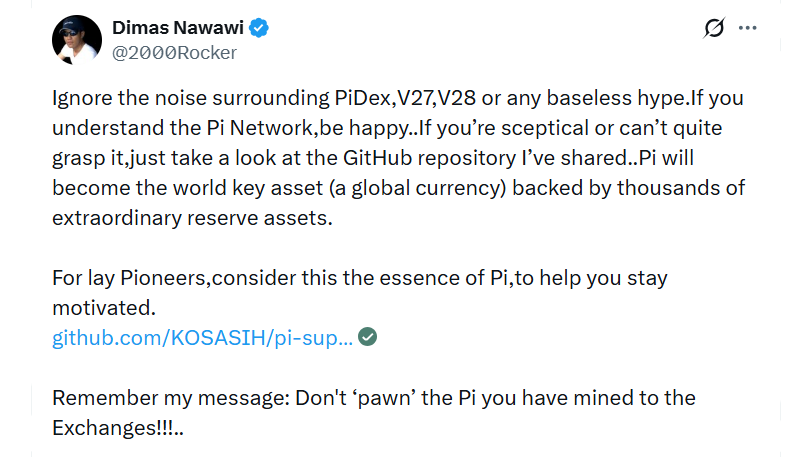
His message is simple: stop chasing headlines and start reading code. The post, shared September 13, urges the community to ignore short-term noise around PiDEX, Protocol 27, and Protocol 28, and instead look at repositories published on Pi Network GitHub.
This piece of Pi Network news landed just days before the network's biggest technical milestone of the year, set to launch on September 15.
Why the Pi Network GitHub Post Is Getting Attention
The ambassador pointed specifically to a project called PiCoinStellar, built on the Stellar network. According to the code he shared, the project defines a stablecoin pegged at $314,159, with a market cap projection running into the quadrillions.
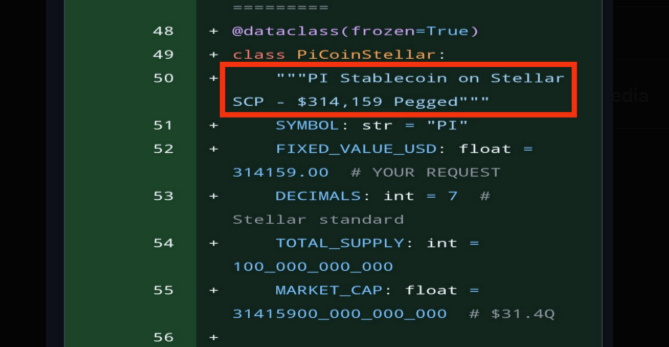
His argument: this is the kind of proof pioneers should be paying attention to, not upgrade timelines or exchange chatter. To him, GitHub code is tangible evidence of Pi's potential as a global currency backed by reserve assets, something no amount of hype around PiDEX or Protocol 27 can show.
The broader point behind the post was more grounded: don't transfer or sell mined Pi to exchanges prematurely, and judge the network by its long-term development rather than short-term price swings or upgrade delays.
(That figure needs context. It comes from a long-running community valuation theory known as GCV, and it has never been recognized by the Pi Core Team, any exchange, or any independent market data provider.)
That advice arrives right as Protocol 27 approaches its mainnet target, which is likely why the ambassador framed GitHub activity as the more reliable signal.
Pi Network Protocol 27 and the PiDEX Test Everyone Is Watching
Protocol 27 is scheduled for mainnet activation around September 15, 2026. Core Team materials describe it as the final planned upgrade in the current development sequence, following Protocol 26's rollout in August.
The update is meant to introduce more flexible smart contract authentication, giving apps and accounts new ways to verify and authorize transactions.
Closely tied to this rollout is PiDEX, the network's native decentralized exchange. PiDEX runs on an automated market maker model with liquidity pools, and it has already seen testnet activity through events like the SLICE token launch.
What it hasn't seen is real mainnet trading volume. This Protocol 27 upgrade cycle is widely viewed as the actual test of whether Pi's tens of millions of claimed users can generate genuine on-chain activity, rather than mobile mining and exchange listings alone.
Pi coin V28 update remains a separate matter. Protocol 28 sits on the roadmap with a "do not start" status, meaning no active timeline exists yet. Treating it as an imminent milestone right now would be premature.
Pi Network Price Today: A Quiet Rally Against a Flat Bitcoin
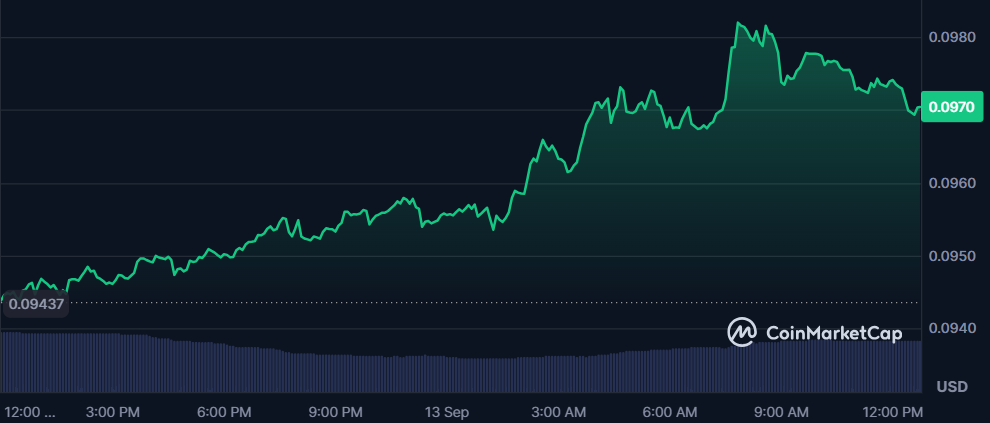
Pi coin is up today, trading near $0.0973, a gain of roughly 3.2% in 24 hours. That stands out because Bitcoin barely moved in the same window, up just 0.09%.
Source: CoinMarketCap Official
Price: $0.0970, up 2.72% to 2.88% depending on the tracking window
Market cap: $1.08 billion
24h volume: $4.82 million, down more than 13% from the prior day
Fully diluted valuation: $9.69 billion
Circulating supply: 11.19 billion PI out of a 100 billion max supply
No single announcement explains the move. Low liquidity conditions tend to produce sharper swings than usual, and that appears to be the main driver here rather than any coin-specific catalyst.
Pi Network Ecosystem 2026: Recent Updates and What's Next?
A few other developments are shaping the Pi network ecosystem heading into Q4 2026:
Pi Arcadia marketing listing: Pi is reportedly seeking outside marketing support to expand adoption beyond its existing base
Node upgrade deadline: Operators must move to version 27.1 before the mainnet cutoff to stay connected
Clarity Act decision: A U.S. Senate vote tied to crypto market structure is expected around the same September 15 window, though no confirmed link to Pi's technical rollout exists
Token unlocks continue monthly from the 100 billion max supply, adding steady sell pressure regardless of upgrade outcomes.
The next few days will settle more than any single post or projection can. If Protocol 27 activates on schedule and PiDEX generates real trading volume, that becomes the first solid evidence that Pi's user base can produce actual economic activity. If it slips again, doubts about the network's long-term utility will likely grow.
Either way, verified results after September 15 will carry more weight than any pre-launch chatter, unofficial valuation, or GitHub post.
Disclaimer: This article is for informational purposes only and does not constitute financial advice. Digital asset markets carry risk, and independent research is recommended before any investment decision.










