Arc Mainnet Ecosystem: Why It Is Gaining Attention and How It Works

What Makes the Arc Mainnet Ecosystem Unique
Everyone in crypto seems to be talking about one thing lately: the Arc Mainnet ecosystem. Circle built it, yes, the same folks behind USDC, and the goal was never to make "just another blockchain."
The idea was to build something that actually works for real money movement: payments, tokenized assets, and cross-border transfers, all of it. Most chains try to do a bit of everything.
The Arc Mainnet ecosystem picked one lane and stayed in it: fast, predictable, stablecoin-based finance. And so far, that focus seems to be paying off.
What Is the Arc Mainnet Ecosystem
Here's the short version. The Arc Mainnet ecosystem is a Layer 1 blockchain built specifically for financial markets and quick money transfers.
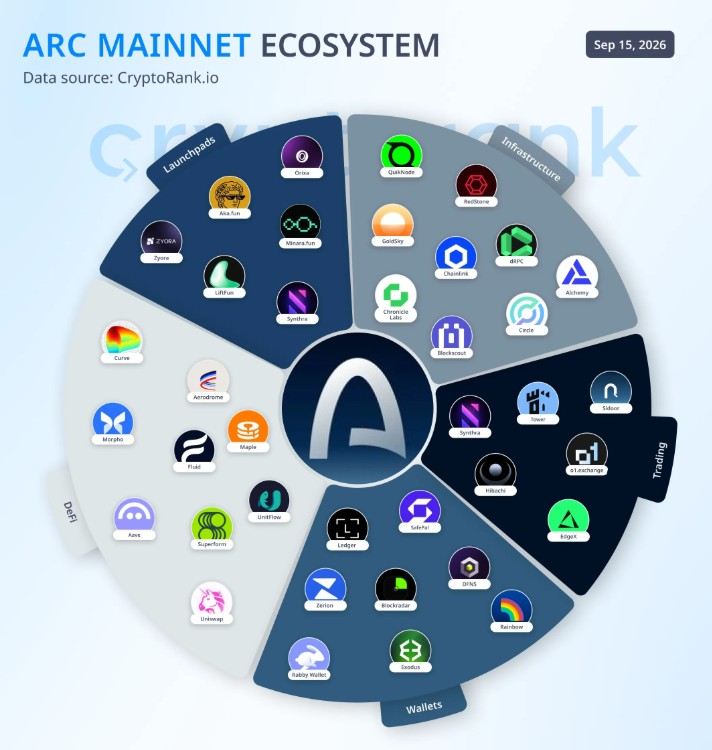
A group of trusted institutions handles the validator side, so security isn't left to chance. But the real head-turner is the gas fee setup.
Instead of paying in some token that could spike or crash overnight, transactions on the Arc Mainnet ecosystem run on USDC. Fees stay flat and predictable, which honestly sounds like common sense; it's just rare to see in crypto.
Key Features of the Arc Mainnet Ecosystem
There's more going on under the hood than most people realize. Transactions on the Arc Mainnet ecosystem finish in under a second genuinely fast, even compared to other big chains.
It also plays nice with Ethereum tools since it's fully EVM-compatible, so developers don't have to relearn everything from zero.
Beyond that, the Arc Mainnet ecosystem leans hard into real-world assets, FX, corporate treasury tools, and even automation for AI-driven payments. This isn't a chain chasing hype; it's building for where finance is actually headed.
How the Arc Mainnet Ecosystem Works
So how does it all come together? The Arc Mainnet ecosystem runs on a consensus setup built for raw speed, letting transactions settle almost instantly.
Keeping the network honest is a lineup of well-known institutional validators' names people already recognize from banking and payments.
And because gas runs on USDC instead of some unpredictable coin, businesses using the Arc Mainnet ecosystem can actually budget their costs instead of just hoping for the best.
Key Components of the Arc Mainnet Ecosystem
A handful of moving parts keep the Arc Mainnet ecosystem running. There's the base Layer 1 chain itself, a validator network made up of serious institutions, USDC handling settlement and fees, and bridges connecting it to chains like Ethereum and Solana.
Add in a growing toolkit for developers, and it's easier than ever to build financial apps straight on the Arc Mainnet ecosystem.
Top Projects Building on the Arc Mainnet Ecosystem
It's not just talk; real projects are already showing up inside the Arc Mainnet ecosystem.
DeFi platforms, payment tools, and asset trading apps are all built to take full advantage of fast, stablecoin-backed settlement.
And when big financial names sign on as validators too, it sends a pretty clear signal: this isn't some fly-by-night experiment.
Why the Arc Mainnet Ecosystem Is Gaining Attention
Why all the buzz? Simple. The Arc Mainnet ecosystem solves a headache crypto users have dealt with for years: slow settlement and fees that jump around unpredictably.
Throw in real financial institutions backing it as validators, and it stops feeling like a science project and starts feeling like an actual bridge between old-school finance and blockchain speed.
That mix of credibility and innovation is exactly what's pulling in builders and investors alike.
Arc Mainnet Ecosystem Token Utility Explained
USDC covers the day-to-day stuff on the Arc Mainnet ecosystem payments, gas, and all the basics.
But there's also a native token doing separate work: crypto staking, governance, and helping keep the network secure. Down the line, holders may even get a say in how the Arc Mainnet ecosystem evolves.
Tokenomics, Step by Step
Total Supply: The native token behind the Arc Mainnet ecosystem has a fixed supply, sitting around 10 billion units.
Staking: Tokens can be staked to help secure the network, with rewards handed out in return.
Governance: Holders may get a vote on where the Arc Mainnet ecosystem goes next.
Ecosystem Incentives: A portion is set aside just to reward developers and early builders.
Validator Rewards: Validators earn incentives for keeping the Arc Mainnet ecosystem running smoothly and securely.
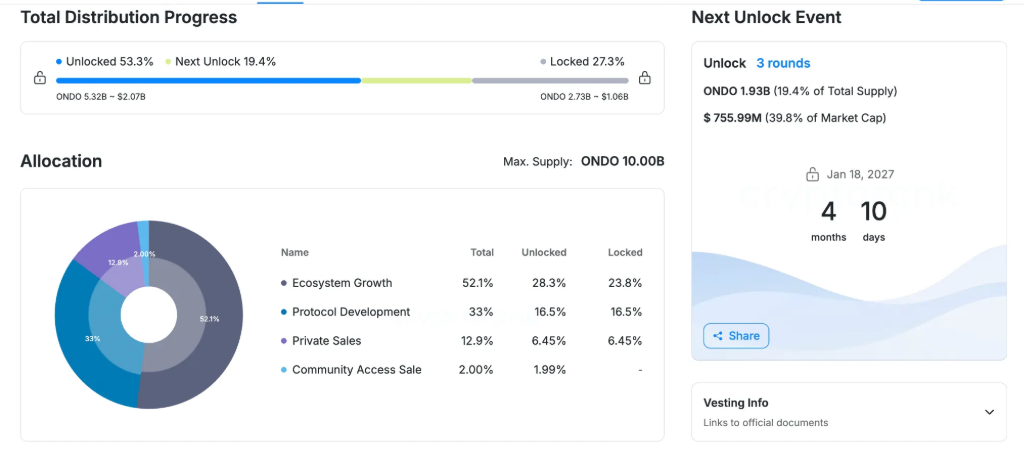
Worth keeping in mind: even with the mainnet live, there's still no official trading date confirmed for the token itself.
Roadmap and Future Plans, Step by Step
Testnet Phase: Testing started back in late 2025 to work out the early kinks.
Private Mainnet: Over 100 institutional and ecosystem partners put real use cases through their paces before going public.
Public Mainnet Launch: The Arc Mainnet ecosystem finally opened its doors to developers and businesses everywhere.
Ecosystem Expansion: Expect more apps, wallets, and financial tools joining in over the coming months.
Long-Term Growth: Longer term, deeper support for tokenized assets, cross-border payments, and AI-driven finance is on the horizon.
Challenges Facing the Arc Mainnet Ecosystem
Nothing's perfect, and the Arc Mainnet ecosystem has its share of rough edges to smooth out.
Because it runs on a permissioned validator set, some critics argue it's less decentralized than fully open chains. It also has to keep proving itself in a crowded field of blockchains chasing the same stablecoin-finance space.
And regulation around stablecoins and tokenized assets will likely shape how smoothly things go from here.
How to Get Started with the Arc Mainnet Ecosystem
Getting started isn't rocket science, especially for anyone who's touched crypto before.
First step: create a crypto wallet that will be compatible, along with obtaining USDC for transaction costs. After this, developers have the option to check out the documentation and applications in order to understand what the construction process looks like within the Arc Mainnet environment.
For the average user, the easiest way to find out about the new applications is to watch the announcements from the company.
Conclusion
Ultimately, the Arc Mainnet Ecosystem is a true example of merging traditional finance and blockchain technology for faster transactions.
The fact that the project has strong institutional backing, a stable coin model, and actual projects being developed on it makes the future of digital payments and asset management look promising for the ecosystem.
Disclaimer
This article is for informational and educational purposes only. It does not constitute financial, investment, or legal advice. Cryptocurrency and blockchain technology involve risk, and readers should do their own research or talk to a qualified professional before making any financial decisions related to the Arc Mainnet ecosystem or any other digital asset.






.jpg)




