Elon Token Review Hype, Risks and Future Investment

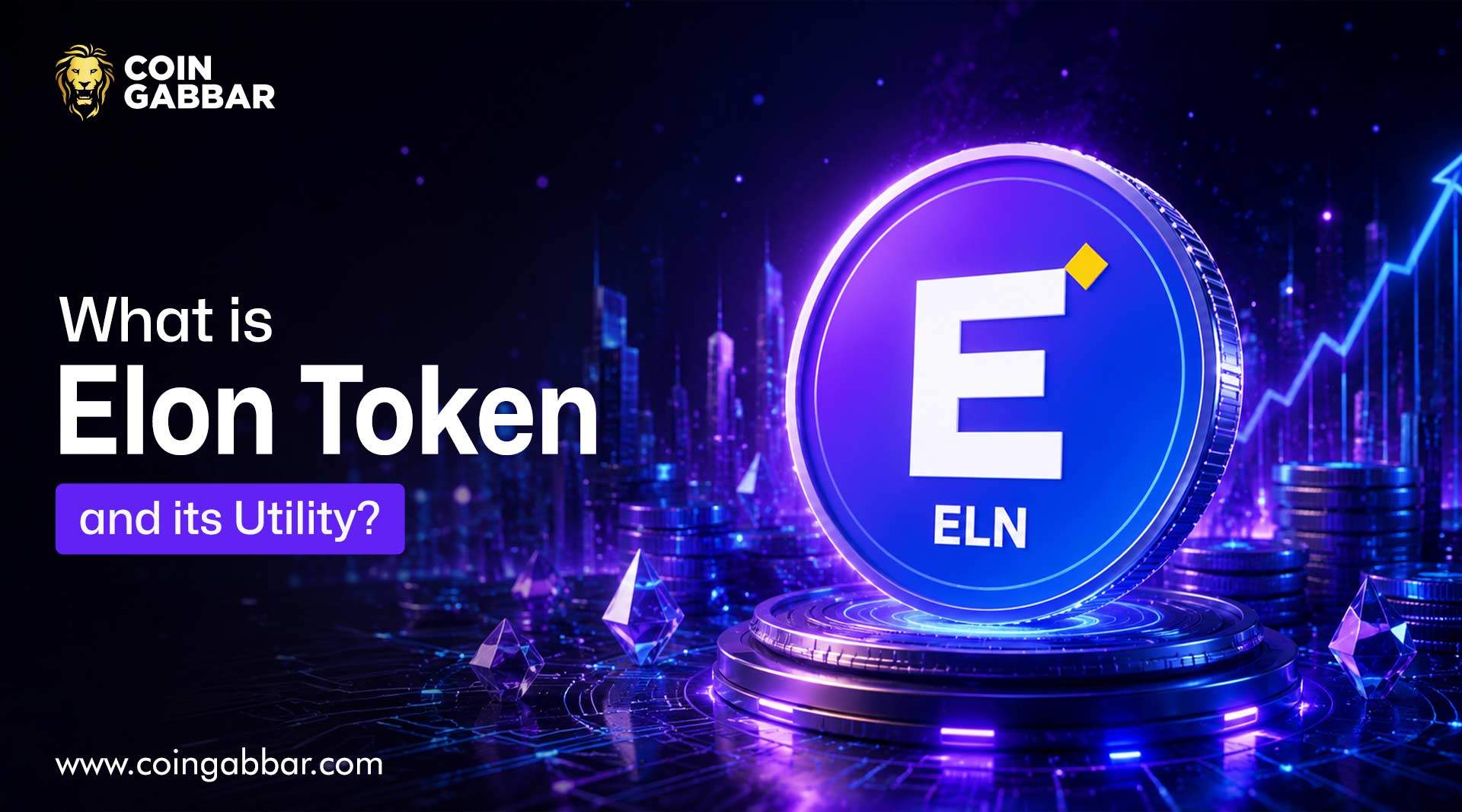
Elon Token Explained: The Future of Meme Crypto
Crypto moves fast, faster than most people can keep up with. Every few weeks, a new coin pops up somewhere on the internet, and before you know it, everyone's talking about it. Meme tokens especially have this weird ability to go from zero to trending overnight. Elon Token is one of those names that keeps coming up.
The connection to Elon Musk is obvious. Love him or hate him, the man has an outsized effect on crypto markets, and developers know it. That's essentially the foundation Elon Token is built on: Musk's cultural footprint, combined with the kind of community energy that only meme coins seem to generate.
So what's actually going on with it? Let's break it down honestly.
What Is Elon Token?
At its core, Elon Token is a meme cryptocurrency. It typically runs on Ethereum or Binance Smart Chain and draws its identity almost entirely from Elon Musk's name and reputation in the tech world.
Here's the thing to understand upfront: Most versions of this token have zero official connection to Musk himself. Developers use the branding because it works; his tweets alone have moved markets worth hundreds of billions of dollars. Dogecoin became a household name partly because of a few posts from his account. That's real, documented influence, and builders in the meme coin space know how to leverage it.
Tokenomics Deep Dive
The tokenomics picture is incomplete because only the sale price was provided, while supply, allocation, and vesting fields were left blank. That's important because hidden concentration, large insider shares, or loose unlock terms can pressure price after distribution.
Allocation:
Total Supply- 1,000,000,000
Presale- 400,000,000- 40%
Liquidity- 300,000,000- 30%
Team and Advisors- 150,000,000- 15%
Marketing- 100,000,000- 10%
Reserve- 50,000,000- 5%
Token Utility
The token utility is currently unclear because no verified description was supplied for what ELON does after distribution. When utility is missing, buyers should assume demand may depend mostly on market attention unless the team publishes a clear post-sale use plan.
Utility is a token's practical role inside a network or service. Common examples include access, fee payment, governance, staking, or rewards, yet none of these functions were confirmed in the provided material for ELON.
Before You Put Any Money In, Check These Things
Meme coin scams are everywhere. The space is genuinely full of projects that either disappear with investor funds or slowly die because there was never a real team behind them. Here's what to actually look at before investing:
The Website and Whitepaper - Does the project have a coherent explanation of what it's doing? A vague or copied whitepaper is a red flag.
Who's Behind It? Anonymous - teams are common in crypto, but total opacity should make you nervous. Look for at least some track record or public presence.
Trading Volume and Liquidity - If there's almost no liquidity, you might not be able to sell when you want to. Check this before buying.
Community Quality - Active, engaged communities are different from bought followers and dead Telegram groups. Spend ten minutes in their channels and you'll get a feel for which it is.
Smart Contract Audits - Reputable projects get their code audited by independent firms. It's not a guarantee of safety, but the absence of an audit on a token asking for your money is worth noting.
The Real Risks
There's no version of this where the risks don't deserve honest attention.
Rug Pulls - Developers launch a token, hype it up, and then drain the liquidity and disappear. This has happened thousands of times in the meme coin space. It's not rare; it's common.
No Actual Use Case- Most meme tokens, including Elon Token, don't do anything particularly useful. Their value is entirely social and speculative. When the hype dies down, there's nothing underneath to hold it up.
Whale Manipulation - A handful of large wallets can control a meme token's price almost entirely. If one of them decides to sell, you'll feel it.
None of this means you can't make money. People have. But the losses are just as real, and they happen more often.
Does It Have Any Future?
Genuinely hard to say. A few meme coins have managed to outlast their initial hype cycles by pivoting into real utility-NFT projects, gaming integrations, and DeFi products. If Elon's token follows that path and builds something substantive, it has a chance at longer-term relevance.
Most don't, though. Most fade when the attention moves somewhere else.
What separates the survivors from the failures tends to be active development, a team that keeps showing up, and a community that stays engaged even when prices are down. Whether any particular version of the Elon Token has that is something only time and your own research can tell you.
Elon Token is a product of internet culture meeting speculative finance. It can generate real profits, and it can generate real losses—sometimes for the same person in the same week.
If you're interested in it, go in with clear eyes. Don't put in money you can't afford to lose. Do the research. And be especially skeptical of anyone on social media who seems very eager for you to buy.
The crypto market will keep producing tokens like this. Some will matter eventually. Most won't.
Conclusion
Meme coins have always been a weird part of crypto, half joke, half genuine financial instrument, and nobody's quite sure which half matters more on any given day. Elon Token is no different. The communities are real, the price swings are real, and unfortunately, the losses are real too.
So slow down. Look at who's actually building the thing. Check whether anyone's still active six months after launch. Ask uncomfortable questions. If the answers aren't there, neither should your money be.
Disclaimer
This is an educational article, not financial advice, and that's not just a legal formality. Crypto is genuinely unpredictable, and anyone telling you otherwise is either mistaken or selling something. If you're seriously considering putting money into any digital asset, talk to a financial advisor first.








.webp)




