Harmony Blockchain Ecosystem: Cross-Chain Strategy Explained

Harmony Blockchain Ecosystem: What Users Should Know
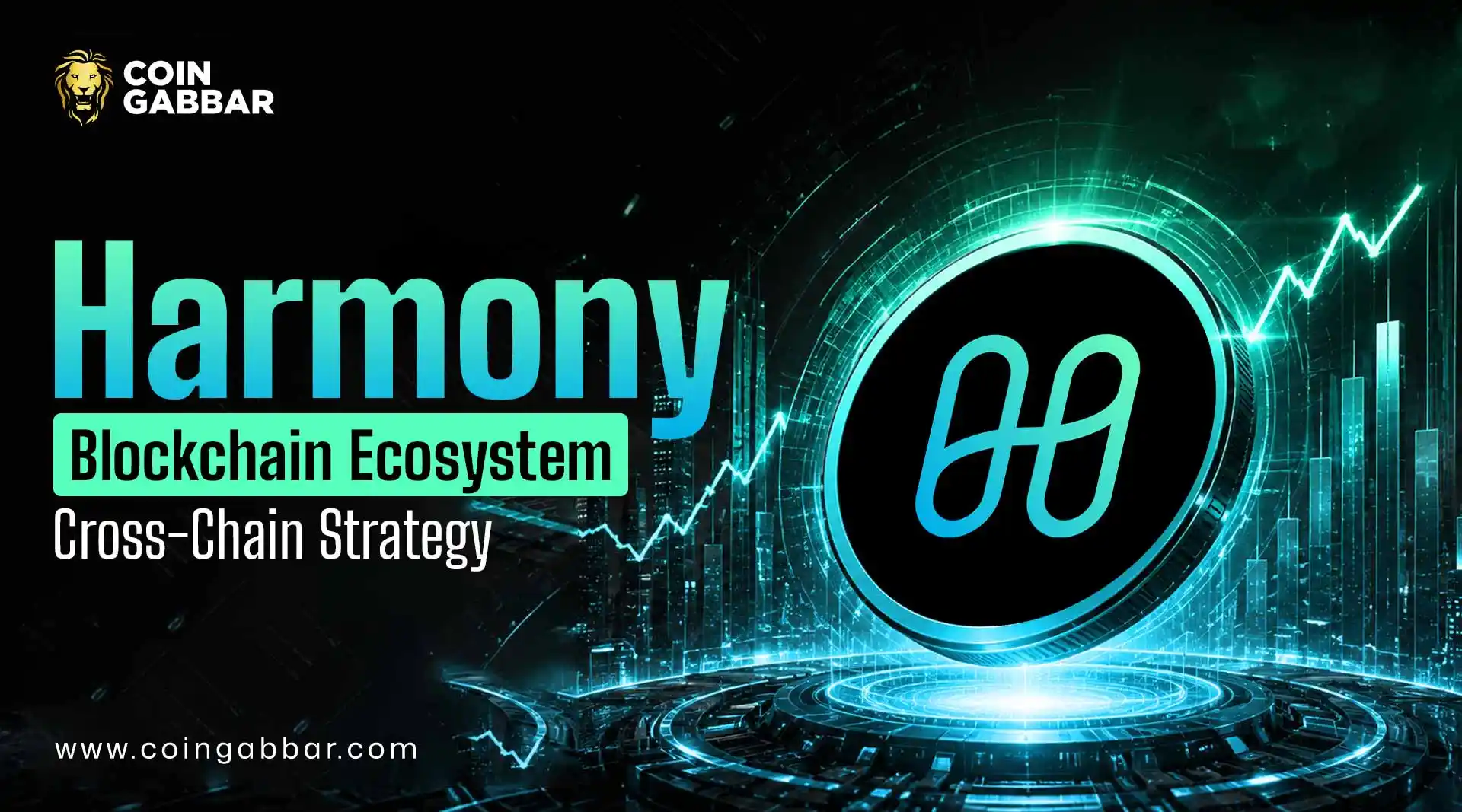
This piece builds on our earlier Harmony blockchain explainer, which covered sharding, EPoS consensus, and ONE tokenomics. Here, the focus shifts to a different question: what does the Harmony blockchain ecosystem actually look like beyond the core technology, and how does the project position itself among validators, developers, and cross-chain partners?
Key takeaways:
Harmony's documented strategy centers on "Cross-Chain Finance," positioning the network as a settlement hub linking Bitcoin, Ethereum, and other chains.
The Harmony blockchain ecosystem has grown through validators, developers, grantees, and community collaborators since mainnet launch in 2019.
Current roadmap plans point the network toward a more unified DeFi experience and tools built around AI agents.
What Ties the Harmony Blockchain Ecosystem Together?
At its core, the Harmony blockchain ecosystem runs on the same principle as the network's technical design: everything connects back to ONE. The token pays transaction fees across the platform various apps, secures the chain through staking, and gives holders a voice in governance decisions that shape how the ecosystem develops.
That's a deliberate design choice. Rather than separating utility, security, and governance across multiple tokens the way some networks do, Harmony crypto keeps all three functions tied to a single asset which means ecosystem growth and ONE's utility are directly linked rather than running on separate tracks.
Harmony's Cross-Chain Finance Strategy
According to Harmony's own documentation, the project's stated strategy has centered on positioning itself as a hub for what it calls "Cross-Chain Finance." The idea: build trustless bridges connecting Harmony to Bitcoin and Ethereum, giving users and assets from those larger networks broader access without relying on custodial intermediaries.
The stated goal behind this approach is straightforward a cross-chain exchange without the custodial risk of a centralized platform, built on Harmony's settlement layer and liquidity infrastructure. Framed this way, Harmony sharding isn't just a scaling solution for its own network; it's meant to support that broader ambition of cross-exchange integration and cross-border finance running through Harmony as a connecting layer.
It's worth noting that this strategy documentation reflects Harmony's originally stated cross-chain positioning, published on the project's official docs. Ecosystem strategies evolve over time, so treating this as the project's foundational thesis rather than a guaranteed current roadmap item is the more accurate read.
How the Ecosystem Has Grown
Harmony's own eco-system materials credit four groups for building out the network since its 2019 mainnet launch: validators who secure the chain, developers who build on it, community members who use it, and grantees who received project funding to build specific applications.
That combination reflects a fairly standard layer-1 growth pattern validator participation creates network security, developer activity creates applications, and grant funding helps bridge the gap for teams building early-stage tools before an eco-system has enough organic traction to support them on its own.
Harmony's documented ecosystem map, as published by the project, covers a portion of the applications that have launched on the network, spanning categories like DeFi protocols, cross-chain tools, and community-built projects though, as with the cross-chain strategy above, eco-system maps age quickly in a fast-moving industry.
Where Effective Proof-of-Stake Fits Into Ecosystem Growth
Harmony Effective Proof of Stake isn't just a consensus mechanism sitting underneath the eco-system it directly shapes who can participate in securing it. Because validators are elected based on an "effective stake" calculation rather than raw token holdings alone, the design is meant to keep any single large holder from dominating a shard's validator committee.
For the platform growth specifically, that matters because it keeps the barrier to becoming a validator from concentrating entirely around wealth. Smaller stakers can still delegate to a validator instead of running infrastructure themselves, which is part of how the platform has tried to keep participation open across both technical and non-technical community members.
What's Next for the Harmony Blockchain Ecosystem
Harmony's official roadmap points the eco-system toward three areas going forward: faster transaction finality through upgrades like Verkle Trees and State Expiry, a more unified DeFi experience across the network's applications, and new tooling built around AI agents capable of handling tasks like trading or governance participation on a user's behalf.
That last piece is a meaningful shift in direction moving from an ecosystem built primarily around cross-chain DeFi toward one that also accommodates autonomous, AI-driven activity. Whether that becomes a defining part of the Harmony blockchain eco-system or a smaller feature alongside its existing DeFi focus is still an open question, since roadmap items and shipped features aren't the same thing.
A Few Things Worth Checking Directly
Given how much ecosystem documentation reflects earlier growth phases, a few habits are worth building before treating any single page as the full picture: check Harmony's for the most current project activity, verify which eco-system apps are still actively maintained rather than assuming an older platform map is current, and read roadmap items as stated intentions rather than confirmed delivery dates.
Conclusion
The Harmony blockchain eco-system is built around a cross-chain finance strategy, a validator and developer base that's grown since 2019, and a token designed to tie fees, security, and governance into one asset. Between the project's documented Bitcoin and Ethereum bridge ambitions and its newer AI-agent roadmap plans, the ecosystem's next phase looks meaningfully different from its earlier cross-chain DeFi focus though how much of that actually ships is worth tracking through Harmony's own current channels rather than any single snapshot.
Disclaimer
This article is for informational and educational purposes only and does not constitute financial or investment advice. Platform details, strategy statements, and roadmap items referenced here are based on Harmony's official documentation as published at the time of writing and may not reflect the project's current status. Always verify current ecosystem activity and roadmap progress directly through Harmony's official channels before forming any conclusions.
Also read: