How Vectorium Converts Carbon Credits Into Traceable Digital Assets?

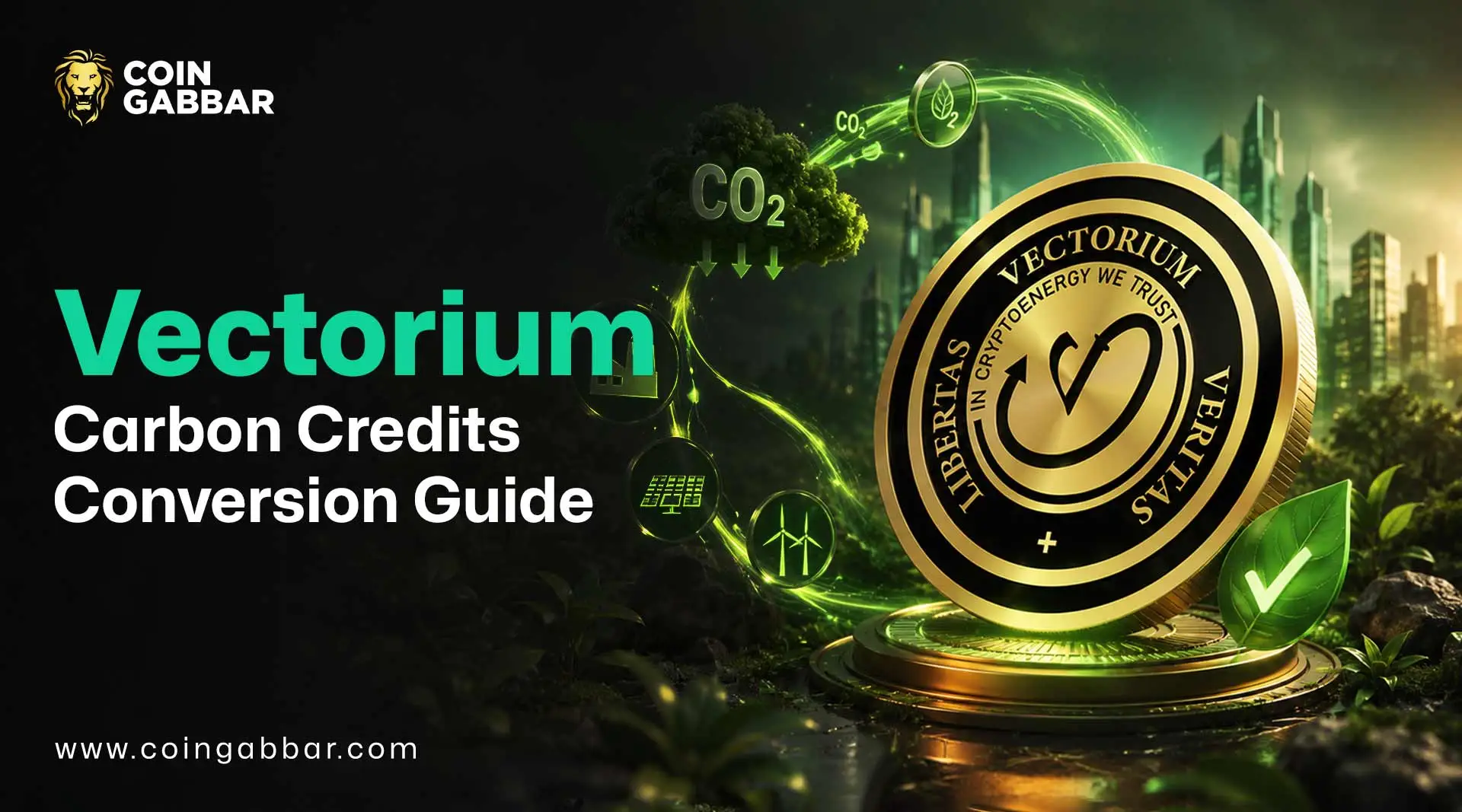
Understanding Vectorium Carbon Credits Conversion to Digital Asset
Carbon markets are evolving as technology creates new ways to manage environmental assets. One of the biggest challenges in traditional systems is maintaining transparency throughout the ownership and verification process.
This is where Vectorium carbon credits become an interesting topic for investors and researchers. The project aims to create a transparent framework that helps convert verified green assets into traceable digital records. By combining verification standards with blockchain technology, the platform seeks to improve visibility across the entire asset lifecycle.
Understanding this process can help investors evaluate how the project plans to connect environmental markets with digital infrastructure.
What Are Traditional Carbon Credits?
Carbon credits are environmental instruments designed to represent a reduction or removal of emissions.
Traditionally, these credits are created through approved projects and tracked through centralized systems. While these systems have helped support carbon markets, they can sometimes face challenges related to transparency, accessibility, and record management.
Some common concerns include:
-
Limited visibility into ownership history
-
Multiple intermediaries
-
Complex verification procedures
-
Fragmented data sources
These limitations have encouraged many organizations to explore digital alternatives.
How Does Vectorium Verify Carbon Credits?
Before any asset enters the system, verification plays a critical role.
According to official project information, Vectorium Network focuses on ensuring that green assets go through a validation process before being represented digitally. Verification helps confirm that the underlying information meets required standards before tokenization occurs.
A simplified workflow includes:
| Step | Purpose |
| Verification | Asset validation |
| Registration | Data recording |
| Tokenization | CFT creation |
| Tracking | Ownership history |
| Transfer | Ecosystem activity |
This process is intended to improve confidence in the authenticity and traceability of green assets.
How Are Carbon Credits Converted Into CFTs?
After verification, the next step involves tokenization.
The platform converts approved green assets into Carbon Fungible Tokens (CFTs), creating digital representations that can be tracked on-chain. This process allows ownership records and transaction history to become part of a transparent digital ledger.
The conversion process generally follows these stages:
-
Asset verification
-
Data registration
-
Digital token creation
-
On-chain tracking
-
Ecosystem participation
The VECT token also plays a role within the broader participation framework connected to tokenization activities.
For investors, this transformation represents the bridge between traditional environmental markets and blockchain-based infrastructure.
Why Is Blockchain Used in This Process?
Blockchain technology helps create permanent and auditable records.
Through the Vectorium blockchain, ownership changes and transaction history can be recorded transparently. This creates a more visible record trail compared with many traditional systems that rely on separate databases.
The goal is not simply digitization but improved accountability throughout the asset lifecycle.
As discussed in the project's economic model, Vectorium Tokenomics connects platform participation with ecosystem activity, creating utility around green asset management.
What Benefits Does the System Offer?
The platform is designed to address several challenges that exist within traditional environmental markets.
Potential advantages include:
-
Improved transparency
-
Easier asset tracking
-
Enhanced ownership visibility
-
Digital record management
-
Reduced reliance on fragmented systems
These benefits support the broader goals of the ecosystem and its focus on creating accessible environmental infrastructure.
The use of Vectorium carbon credits within a digital framework may also help improve efficiency compared with conventional record-keeping methods.
Why Does Solana Matter for This Infrastructure?
The project is built using Vectorium Solana infrastructure.
Fast transaction speeds and lower costs can be important when handling large volumes of asset-related information. These characteristics help support scalability while maintaining efficient processing.
For green markets that may involve significant data activity, network performance becomes an important consideration.
This is one reason blockchain selection plays a key role in the project's overall architecture.
What Challenges Still Exist?
While blockchain can improve transparency, several challenges remain.
Investors researching Vectorium crypto should remember that adoption, regulation, and execution continue to play important roles in long-term success.
Some considerations include:
-
Market adoption rates
-
Regulatory developments
-
Verification standards
-
Infrastructure execution
-
Industry participation
A balanced Vectorium review should consider both the potential benefits and the practical challenges associated with emerging environmental infrastructure projects.
Can This Model Support Long-Term Growth?
The future of green asset digitization will depend on adoption and execution.
As organizations seek better ways to manage environmental records, blockchain-based solutions may continue to attract attention. By combining verification, tokenization, and transparent tracking, the platform aims to create infrastructure that supports long-term asset management.
For investors, understanding how Vectorium emission credits move from verification to digital representation provides a clearer view of the project's broader vision and potential role within evolving environmental markets.
Conclusion
The process behind Vectorium carbon credits is designed to improve transparency, traceability, and record management throughout the environmental asset lifecycle. As it is a sustainability-focused blockchain project.
Rather than relying solely on traditional systems, the platform combines verification, tokenization, and blockchain-based tracking to create digital representations of environmental value. While adoption and execution remain important factors, understanding this conversion process can help investors make more informed evaluations about the project's long-term direction.
Disclaimer
This article is for informational and educational purposes only and should not be considered financial, legal, or investment advice. Cryptocurrency and blockchain projects involve risks, including market volatility, regulatory uncertainty, and adoption challenges. Always conduct your own research before making investment decisions.







.jpg)




