Inside DTCC Tokenization: Turning $114 Trillion Into Digital Tokens

How Does DTCC Tokenization Actually Work Behind The Scenes
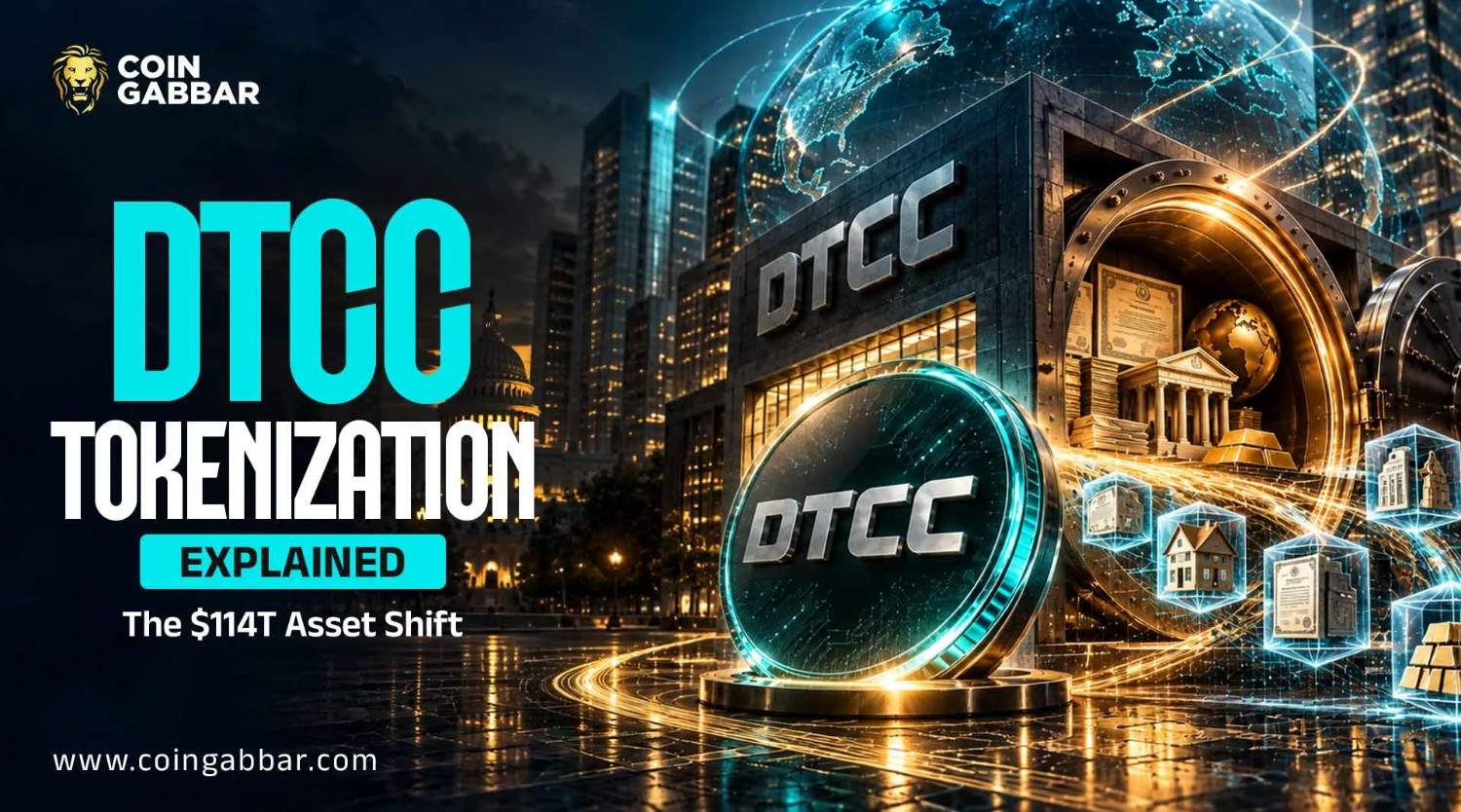
DTCC Tokenization is a new solution from Depository Trust & Clearing Corporation, which operates at the very center of the U.S. financial market.
The corporation controls most of the American listed securities. In simple words, DTCC tokenization implies converting the conventional securities such as stocks, ETFs, and treasuries into tokens for further transfer on blockchain.
What does it mean? The corporation already stores more than $114 trillion worth of assets; therefore, even a tiny amount of assets being tokenized means a lot.
For every market follower, DTCC tokenization proves that the blockchain technology is already being tested by Wall Street.
How Did It Start
The DTCC tokenization journey accelerated dramatically in December 2025. This is when the SEC granted DTC a no-action letter for three years, enabling tokenization of Russell 1000 stocks, key indices ETFs, and US Treasuries.
Following that, DTCC gathered more than 50 firms to participate in the project, among which were not only industry heavyweights such as BlackRock, Goldman Sachs, and JPMorgan but also crypto-related companies like Circle and Anchorage.
Mid-2026 saw the beginning of actual DTCC tokenization efforts, with limited trades starting in July and a full-scale launch planned for October 2026.
Benefits Of DTCC Tokenization
There are several advantages of DTCC tokenization that enthusiasts of the technology are quick to highlight.
First, settlement will happen much faster as tokens on the blockchain can be transferred nearly immediately rather than after several days that were required before.
Secondly, the costs of operations can potentially become lower due to the reduced number of intermediaries who verify the ownership of tokens.
The transparency will be improved thanks to blockchain technology, which will make tracking ownership much easier.
It is also possible that banks will keep fewer cash reserves due to the rapid settlement process.
Which Assets Are Covered Under DTCC Tokenization
Everything is not eligible for DTCC tokenization at the moment. First off, the pilot focuses on a limited set of assets that include Russell 1000 equities, prominent ETFs, and US treasuries.
This selection of assets was made for the reason that they are traded in huge volumes and are relatively safe assets to experiment with.
For instance, an example of the early-stage tokenization by DTCC included the JPMorgan conversion of the Invesco QQQ Trust into a tokenized asset.
Inside DTCC Tokenization: Turning $114 Trillion Into Digital Tokens
The custody service on the back end of DTCC's tokenization is DTC, which keeps custody of assets worth over $114 trillion through book-entry custody systems within the U.S. and over 130 other countries.
Instead of completely dismantling the entire system, tokenization through DTCC allows companies to tokenize assets that are currently under the custody of DTC.
The ownership and all its legal implications remain the same; only the representation changes to become a token.
How Does DTCC Tokenization Actually Work Behind The Scenes
One such misconception concerning the process of tokenization through DTCC is that this process helps to transfer the securities through the DTCC system.
However, as soon as these securities are tokenized, the process of their transfer does not happen in the DTCC system but happens outside it on the blockchain that is approved by the investor.
The function of DTCC in this case is to check whether these tokens are the actual assets that are in custody.
What DTCC Tokenization Means For The Future Of Markets
Looking further ahead, DTCC tokenization could change how markets work day to day.
If tokenized stocks and bonds catch on, trading could move closer to real time, and smaller investors might get access that used to be out of reach. Many see this crypto project as one of the clearest signs yet that traditional finance and crypto are finally moving toward each other instead of staying separate.
Since DTCC handles trillions of dollars in trades daily, even slow, steady growth in DTCC tokenization could push other big financial players around the world to try something similar.
Is DTCC Tokenization Good News For Wall Street Investors
For most investors, DTCC tokenization looks like a step forward. Faster settlement, lower costs, and better transparency are upgrades that help everyone, from huge institutions down to smaller traders.
Having heavyweights like BlackRock, JPMorgan, and Goldman Sachs on board also adds trust that many pure crypto projects simply don't have. Still, "good news" doesn't mean the shift is risk-free or instant.
DTCC tokenization is still in its early testing phase, and its real payoff for investors will only show up once adoption and trading volume grow over the coming years.
Risks And Challenges Facing DTCC Tokenization
DTCC tokenization faces several obstacles despite the excitement it generates. For instance, regulatory clearance at the moment is limited to a three-year no-action letter.
Technical risks also come into play because transferring trillions of dollars on blockchain platforms will require high security and reliability. In addition, coordinating multiple companies, custodians, and blockchain platforms is quite a challenge.
The process will probably be slow due to a conservative approach that major institutions take when dealing with such complex matters. DTCC tokenization has significant potential; however, time will show how successful it is.
Disclaimer
Please note that this article provides general information and does not constitute financial advice. If you are interested in investing in tokenized securities, please make sure to research the current developments and consult a qualified financial specialist.






.jpg)




