Metaverse Crypto Projects 2026: New Tokens, Listings and Latest News
Metaverse Crypto Airdrops
View AllMetaverse Crypto Presale / ICO / IDO / IEO
View AllMetaverse Listing
View All

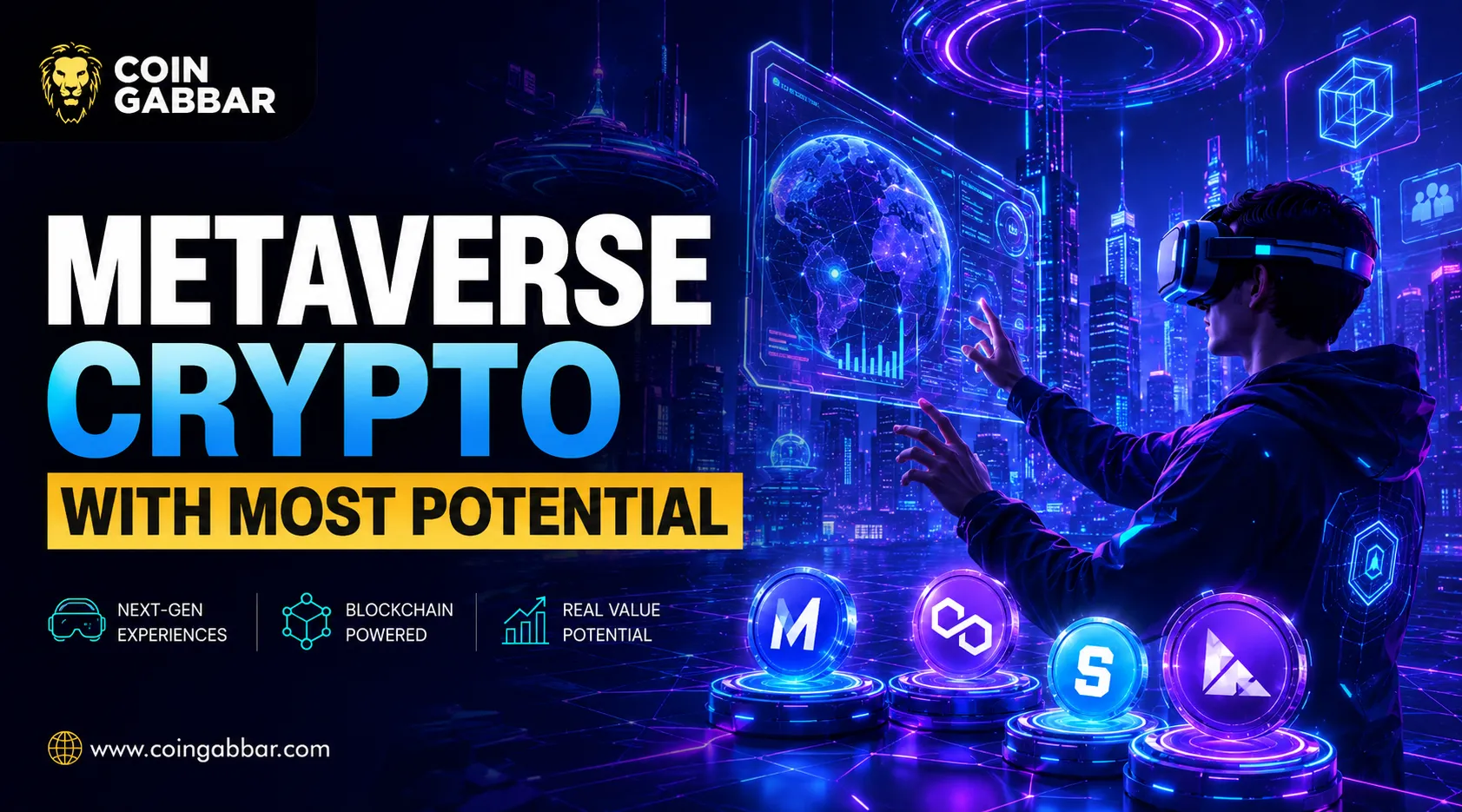







What Is Metaverse Crypto?
Metaverse crypto refers to digital tokens, blockchain-based applications, and virtual ecosystems that support online experiences. These platforms can include virtual worlds, blockchain games, digital collectibles, and decentralized applications where users interact, create, and exchange digital assets.
The metaverse combines technologies such as virtual environments, augmented reality, blockchain networks, and Web3 tools. While some metaverse platforms use blockchain technology, not every virtual world depends on blockchain. Each project has its own technology, purpose, and features.
Blockchain can help metaverse platforms record ownership information, support digital assets, and enable transparent transactions. However, blockchain does not remove all risks. Users should consider factors such as smart contract security, platform rules, market conditions, and project development before using any metaverse application.
Metaverse crypto projects can include virtual gaming worlds, NFT ecosystems, digital marketplaces, and community-driven platforms. These projects aim to create new ways for users to interact with digital spaces and manage virtual assets.
Common Uses of Metaverse Crypto
-
Virtual Assets: Users can interact with digital items such as collectibles, avatars, virtual land, and other blockchain-based assets.
-
Digital Payments: Some metaverse ecosystems use tokens for transactions, platform fees, or in-world activities.
-
Community Participation: Certain projects use governance systems that allow users to participate in ecosystem decisions.
-
Gaming Experiences: Blockchain gaming platforms may use tokens and NFTs to support digital economies.
How Blockchain Supports Virtual Worlds
Blockchain technology plays an important role in some metaverse ecosystems by providing a system to record transactions and manage digital assets. Instead of relying only on a central platform database, blockchain networks can provide publicly verifiable records.
Many metaverse projects use blockchain features for digital ownership, token transfers, and decentralized applications. However, the level of blockchain usage differs between platforms, and users should review how each ecosystem works.
How Blockchain Helps Metaverse Platforms
-
Ownership Records: Blockchain can help track ownership details of digital assets through token-based systems.
-
Transparent Transactions: Blockchain records can allow users to verify certain transactions on supported networks.
-
Digital Economies: Tokens and smart contracts can support virtual marketplaces and ecosystem activities.
-
Decentralized Applications: Smart contracts can automate actions within blockchain-based applications.
To understand more about the technology behind these virtual ecosystems, explore how key technologies are powering the metaverse ecosystem and shaping digital experiences.
Metaverse vs Traditional Virtual Worlds
Traditional virtual worlds and blockchain-based metaverse platforms can look similar, but they may differ in how they handle ownership, payments, and user participation.
| Feature | Traditional Virtual Worlds | Blockchain Metaverse |
|---|---|---|
| Digital Assets | Usually controlled by the platform | Can use blockchain-based ownership records |
| Payments | Often uses platform-specific currencies | May use crypto tokens for transactions |
| User Participation | Mainly focused on platform activities | May include communities and governance systems |
| Asset Tracking | Managed through platform databases | Can use blockchain records for verification |
Metaverse Tokens Explained: Utility and Use Cases
Metaverse tokens are digital assets used within certain blockchain-based ecosystems. Their purpose depends on the project design. Some tokens support payments, while others may provide access to features, governance participation, or rewards.
A token's value and usefulness depend on several factors, including project adoption, technology, community activity, token supply, and overall market conditions. A token should not be considered valuable only because it belongs to a metaverse project.
Types of Metaverse Tokens
| Token Category | Main Purpose | Example Use Case |
|---|---|---|
| Utility Tokens | Used for platform activities | Buying digital items or accessing features |
| Governance Tokens | Support community decision-making | Voting on ecosystem proposals |
| Gaming Tokens | Support blockchain gaming economies | Rewards, trading, and in-game activities |
| NFT-Based Assets | Represent unique digital items | Virtual land, collectibles, and avatars |
Understanding token utility helps users research metaverse crypto projects more effectively. Factors such as technology, community growth, development activity, and real-world use cases are important when evaluating any blockchain ecosystem.
Popular Metaverse Crypto Projects to Research
Metaverse crypto projects focus on creating digital environments where users can interact, play, create content, and use blockchain-based assets. These projects can include virtual worlds, blockchain games, NFT platforms, and social experiences.
When researching metaverse projects, users should look beyond popularity and review important factors such as technology, active users, development progress, token utility, and community engagement.
What Makes a Strong Metaverse Project?
| Evaluation Area | What Users Should Check |
|---|---|
| Project Purpose | Understand the problem the platform aims to solve and its main use case. |
| User Activity | Review community participation, platform usage, and ecosystem growth. |
| Technology | Check blockchain infrastructure, scalability, and application features. |
| Token Utility | Understand how the token is used inside the ecosystem. |
| Development Updates | Follow roadmap progress, product releases, and official announcements. |
NFTs, Digital Assets and Virtual Economies in the Metaverse
NFTs and digital assets are important parts of many blockchain-based metaverse ecosystems. They can represent unique items such as avatars, virtual land, collectibles, gaming items, and other digital objects.
The role of NFTs depends on the platform design. Some projects use NFTs for ownership records, while others use them for gaming features, community activities, or digital marketplaces.
Common Metaverse Digital Assets
-
Virtual Land: Digital spaces that may be used for building, social experiences, or community activities.
-
Avatars: Digital characters that users may customize and use inside virtual environments.
-
Collectibles: Unique digital items created for communities, games, or online experiences.
-
Gaming Assets: Blockchain-based items that may support ownership or trading features in supported games.
Metaverse Gaming and Web3 Experiences
Blockchain gaming is one of the major areas connected with the metaverse ecosystem. These platforms combine gaming features with digital ownership, allowing users to interact with virtual economies.
Web3 gaming projects may use tokens, NFTs, and blockchain networks to create new types of user experiences. However, users should evaluate gameplay quality, project activity, and long-term development instead of focusing only on token features.
Features of Metaverse Gaming Platforms
-
Digital Ownership: Players may own blockchain-based items supported by the platform.
-
Player Economies: Some games include marketplaces where users can exchange digital assets.
-
Community Features: Users can participate in online communities and shared experiences.
-
Creator Participation: Some platforms allow users to create content, assets, or experiences.
Metaverse Presales, ICOs and Token Launches
Metaverse presales, ICOs, IDOs, and IEOs are fundraising methods used by some blockchain projects before wider token availability. These launches allow projects to introduce their tokens and build early communities.
Early-stage token launches can involve higher uncertainty because projects may still be developing their products, communities, and market presence. Users should research available information before participating.
You can explore Metaverse ICOs and presale tokens to review available project information and updates.
How to Research Metaverse Token Launches
| Research Area | Why It Matters |
|---|---|
| Whitepaper | Helps understand the project's goals, technology, and planned features. |
| Token Distribution | Shows how tokens are allocated and managed. |
| Team Information | Provides details about project transparency and development background. |
| Product Progress | Shows whether the project is building its planned ecosystem. |
| Security Details | Helps users understand smart contract and technical risks. |
Things to Consider Before Joining a Presale
-
Review official project information and documentation.
-
Check token supply, distribution details, and project utility.
-
Understand possible risks, including market volatility and limited adoption.
-
Avoid making decisions based only on promotional claims or short-term price expectations.
Metaverse Airdrops and Community Rewards
Metaverse airdrops are campaigns where blockchain projects distribute tokens, NFTs, or other digital rewards to eligible users. Projects may use airdrops to encourage community participation, test products, or introduce users to their ecosystem.
Airdrops do not guarantee future value. Some tokens may have limited use, low demand, or may become unavailable over time. Users should verify official sources and avoid sharing private wallet information.
Explore Metaverse airdrops to learn about available campaigns and project updates.
How Metaverse Airdrops Usually Work
-
Community Tasks: Users may complete activities such as joining communities or testing platform features.
-
Eligibility Checks: Projects may set requirements before distributing rewards.
-
Token Distribution: Eligible users may receive tokens or digital assets according to project rules.
Airdrop Safety Tips
-
Never share wallet private keys or recovery phrases.
-
Verify official websites and social media accounts before connecting wallets.
-
Be careful with unknown links, fake claims, and requests for unnecessary wallet permissions.
Metaverse Token Listings and Market Visibility
Metaverse token listings show when a digital asset becomes available for trading on supported platforms. Listings can help users discover projects, review available market information, and understand how a token is being used within its ecosystem.
A listing does not guarantee project success, adoption, or future price performance. Users should review project details, token utility, liquidity conditions, and official information before making any decision.
Why Metaverse Token Listings Matter
-
Market Access: Listings can make tokens available to a wider group of users through supported trading platforms.
-
Project Awareness: Listings may increase visibility among communities interested in blockchain gaming, virtual worlds, and Web3 applications.
-
Market Information: Trading activity can provide information about demand, liquidity, and user interest.
-
Price Discovery: Public trading can help establish a market price based on buying and selling activity.
Users tracking new blockchain projects can explore major crypto exchanges and review available listing information before exploring any token.
How to Research Metaverse Crypto Projects
Research is an important step when exploring metaverse crypto projects. A project's popularity alone does not show whether its technology, community, or ecosystem can develop successfully.
Metaverse Project Research Checklist
| Research Area | Questions to Consider |
|---|---|
| Technology | What blockchain, tools, and features does the project use? |
| User Adoption | Does the platform have active users and community participation? |
| Digital Assets | What role do NFTs, tokens, or virtual items play? |
| Development Activity | Are updates, improvements, and roadmap goals being shared? |
| Security | Are smart contract risks and security practices explained? |
Understanding Metaverse Crypto Market Data
Market data can help users understand activity across the metaverse crypto sector. Important information may include market capitalization, trading volume, token prices, and overall market trends.
Crypto market data changes frequently. Users should check the latest available information and review the source and update time before using market figures for research.
Important Market Metrics
| Metric | What It Shows |
|---|---|
| Market Capitalization | The total value of available tokens based on current market prices. |
| Trading Volume | The amount of trading activity within a specific time period. |
| Price Movement | Shows how token prices change based on market activity. |
| Liquidity | Shows how easily assets can be traded without major price impact. |
Factors That Affect Metaverse Token Prices
Metaverse token prices can change due to many market and project-related factors. Price movements are not guaranteed and can be affected by both internal and external conditions.
Key Factors Behind Price Changes
-
User Growth: Increased platform activity may influence interest in some metaverse ecosystems.
-
Token Supply: Changes in token availability can affect market conditions.
-
Technology Updates: New features, partnerships, or development progress may impact community attention.
-
Overall Market Conditions: Broader crypto market trends can influence metaverse tokens.
Users researching metaverse coin price movements should focus on project fundamentals, ecosystem activity, and risk factors instead of relying only on short-term price changes.
Risks and Challenges in Metaverse Crypto
Metaverse crypto projects combine blockchain technology, digital assets, and online experiences. Like other emerging technologies, they involve different risks that users should understand before participating.
| Risk Area | Description |
|---|---|
| Market Volatility | Token prices can change quickly due to market conditions and user demand. |
| Security Risks | Smart contract issues, scams, and wallet security problems can affect users. |
| Adoption Risk | Some projects may struggle to attract users or build active communities. |
| Technology Challenges | Projects may face scalability, development, or user experience issues. |
| Regulatory Uncertainty | Rules related to digital assets may change in different regions. |
Latest Metaverse Crypto News and Updates
Following metaverse crypto news can help users understand ecosystem developments, technology updates, gaming launches, partnerships, and blockchain trends.
News updates should be reviewed with proper context. A partnership announcement, token update, or platform launch does not always mean a project will succeed. Users should evaluate information from multiple sources.
Why Follow Metaverse Developments?
-
Understand new virtual world technologies.
-
Track updates from blockchain gaming and NFT ecosystems.
-
Learn about changes in digital asset markets.
-
Follow project development and community activity.
Metaverse Research Methodology
Our metaverse content focuses on publicly available information, official project announcements, blockchain developments, and ecosystem updates. Information is reviewed for educational purposes and users should verify details through official sources before taking action.
Metaverse projects, tokens, presales, airdrops, and digital assets can involve significant risks. Researching technology, security, community activity, and project transparency can help users better understand the ecosystem.
Disclaimer
This page is provided for informational purposes only and is not financial or investment advice. Cryptocurrency and metaverse projects involve risks, including market volatility, smart contract vulnerabilities, scams, liquidity issues, and regulatory uncertainty.
Users should conduct their own research, verify information from official sources, and only use funds they can afford to lose when participating in any cryptocurrency-related activity.
Frequently Asked Questions (FAQ)





Owned by:-
DCG Tech FZCO, UAE
Delivery Partner:-
Gabbar MediaTech Pvt Ltd.
Copyright © 2026 Coin Gabbar. All Rights Reserved