Biconomy Exchange Listings: New Coins, Upcoming Tokens and Pairs
Biconomy Exchange Listings: New Coins, Upcoming Tokens, Spot Pairs, Trading Times, Deposits, Withdrawals, and Schedule Updates.





























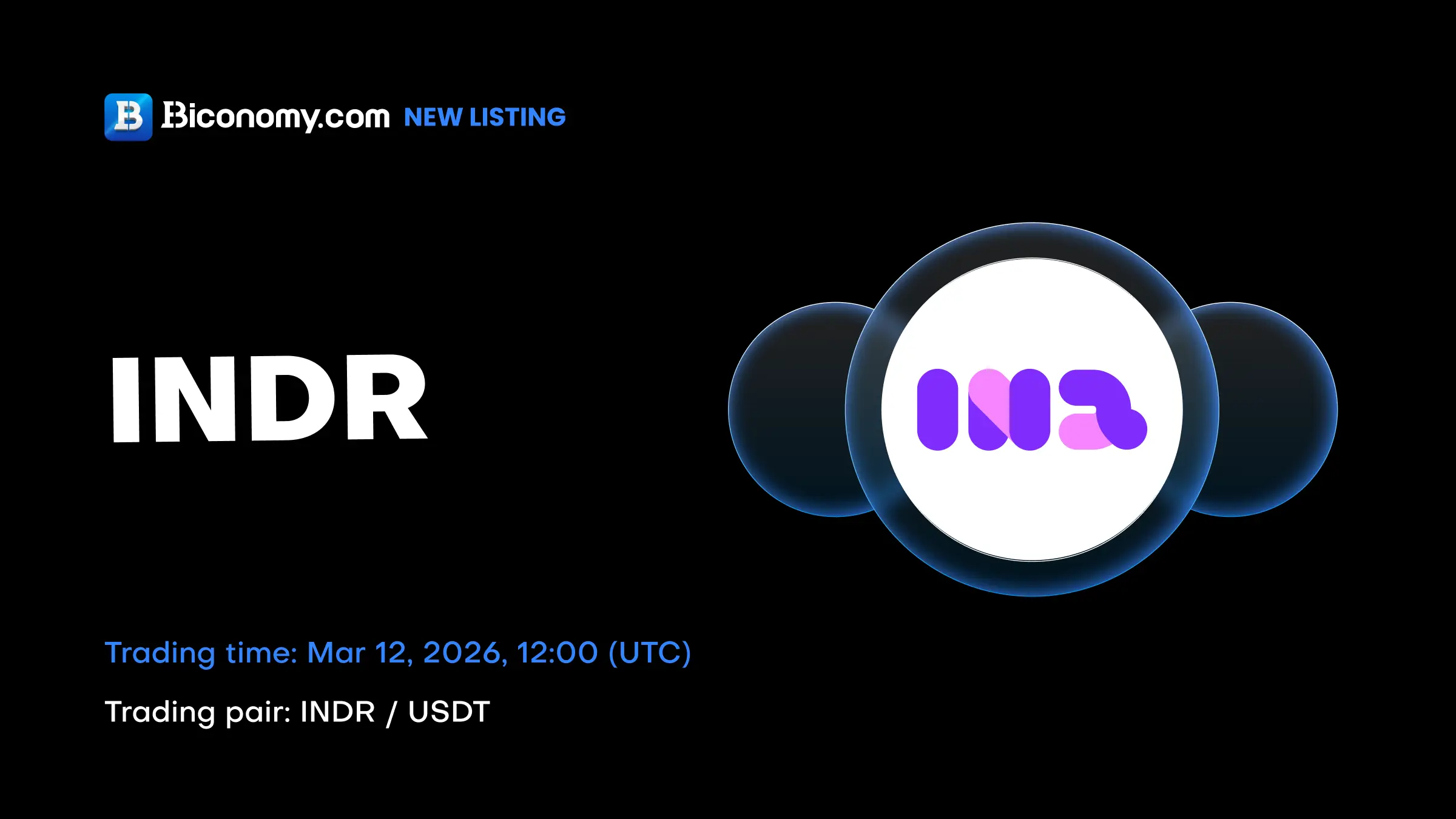

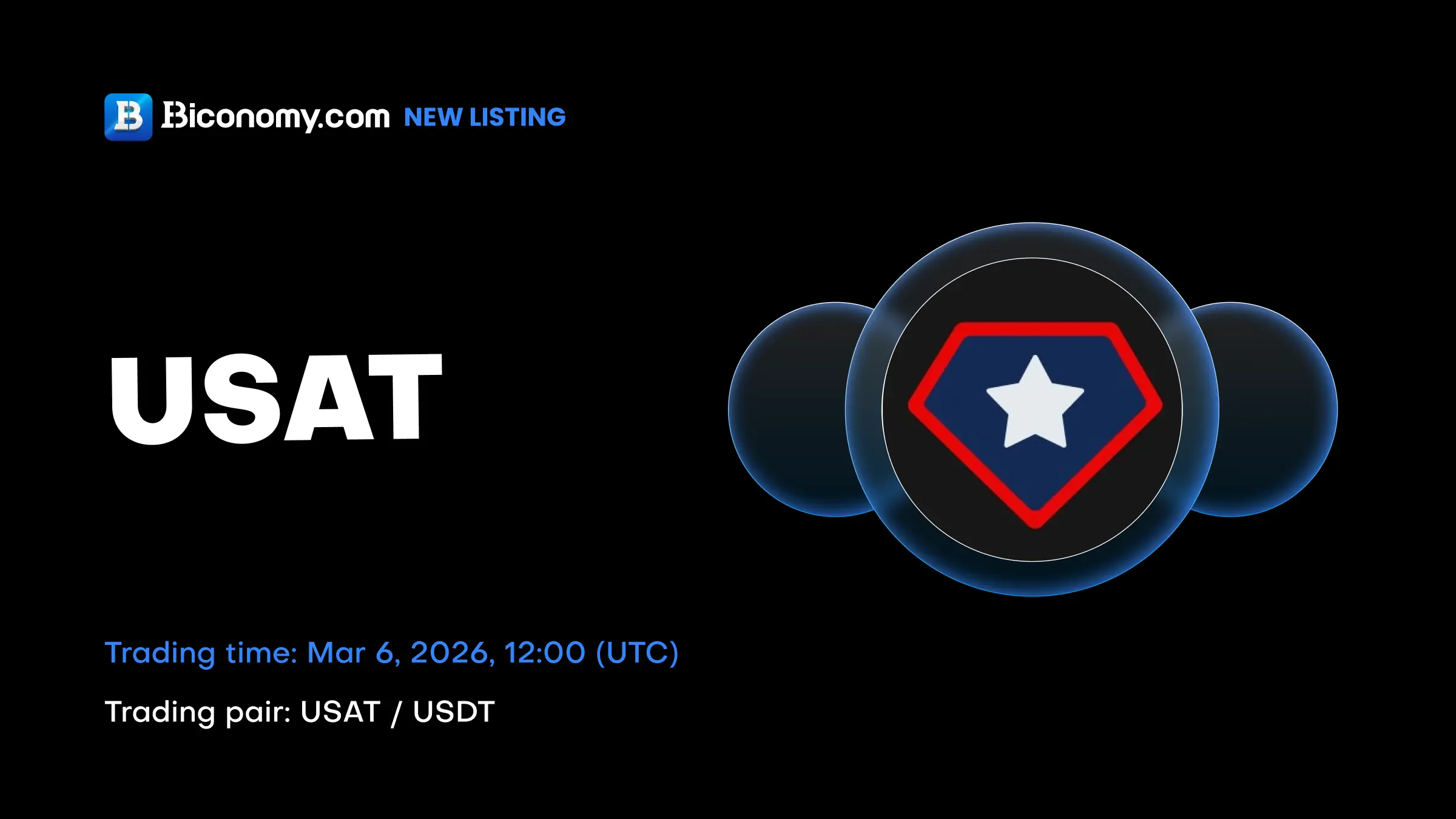
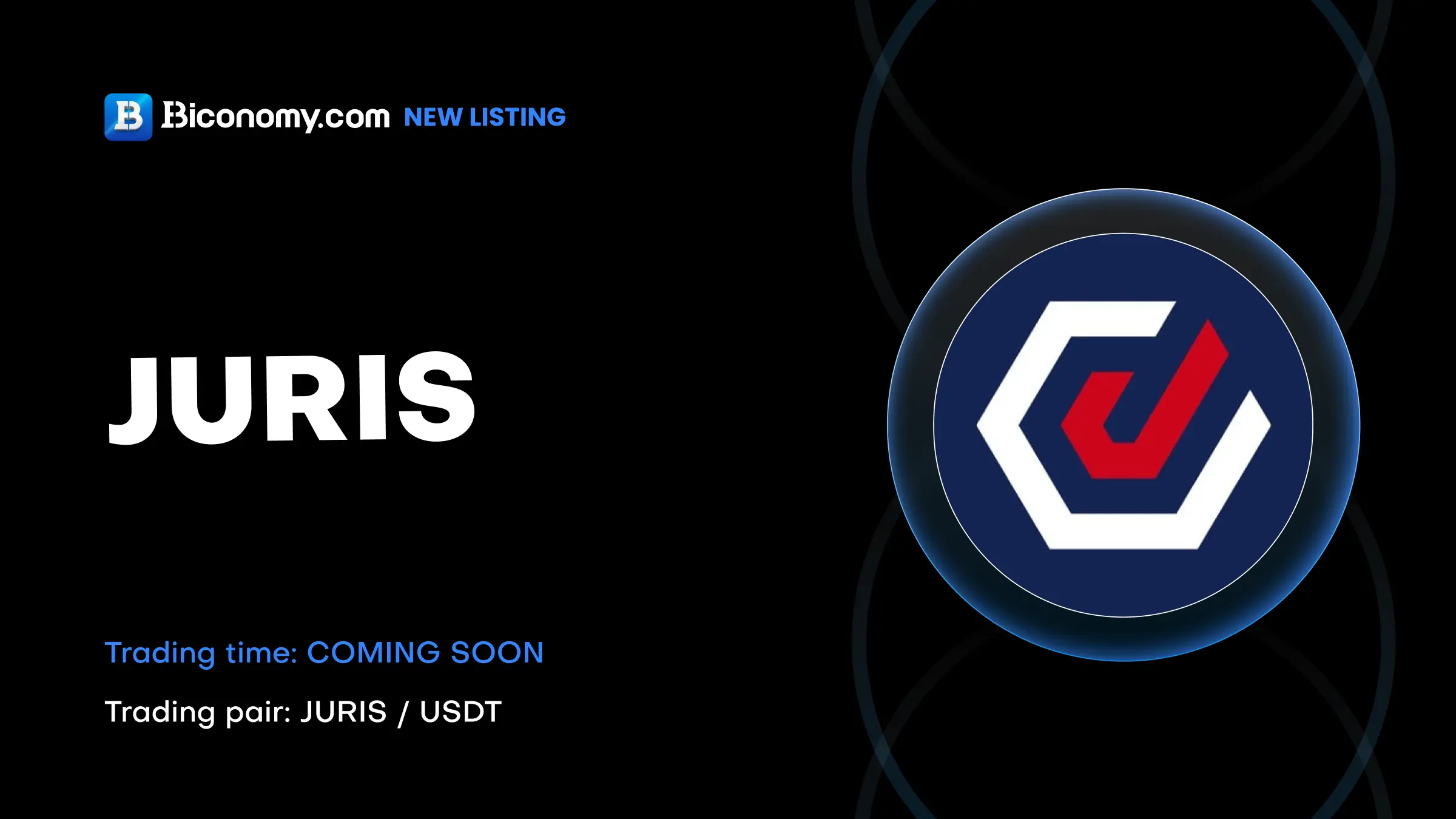
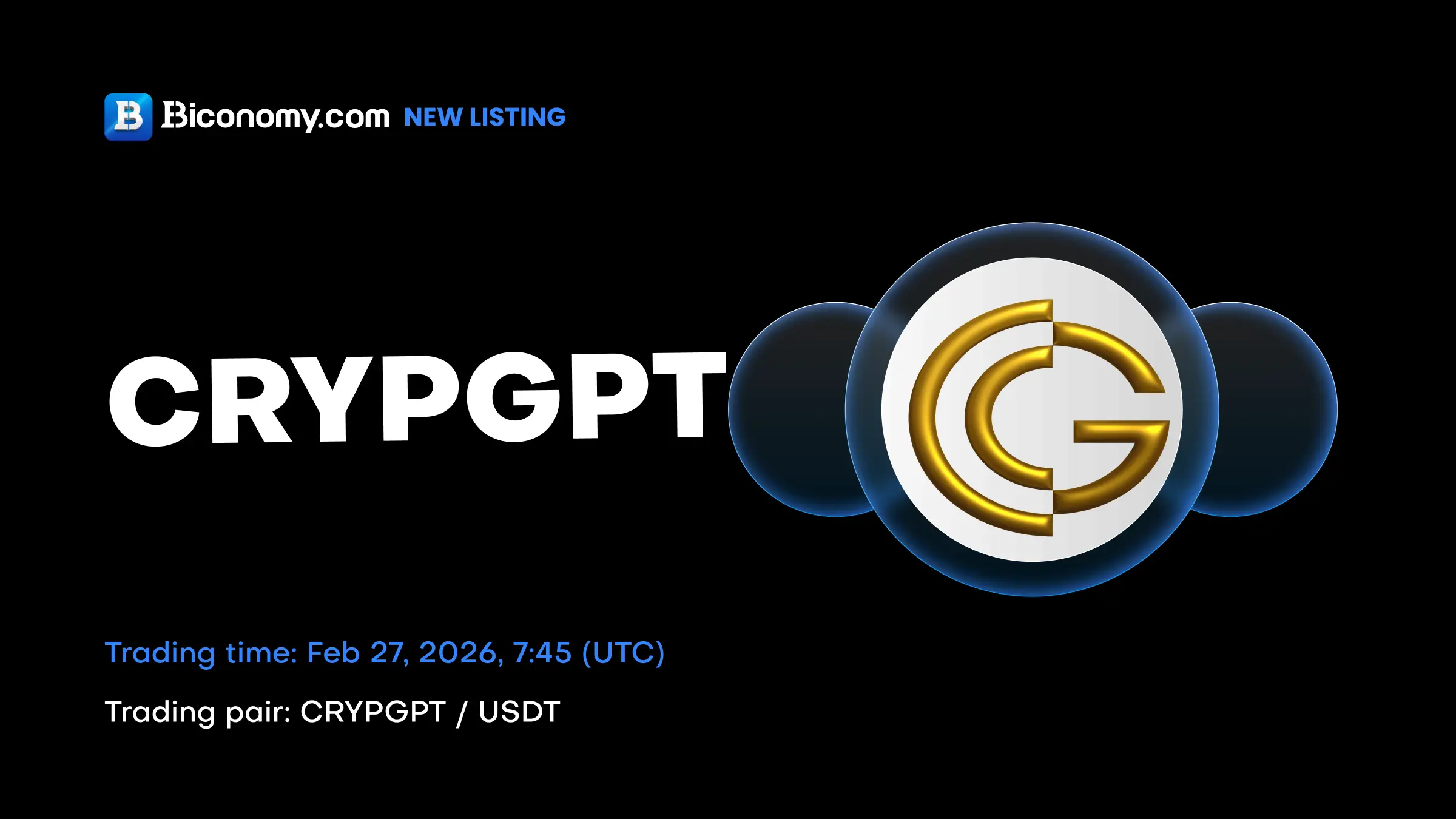
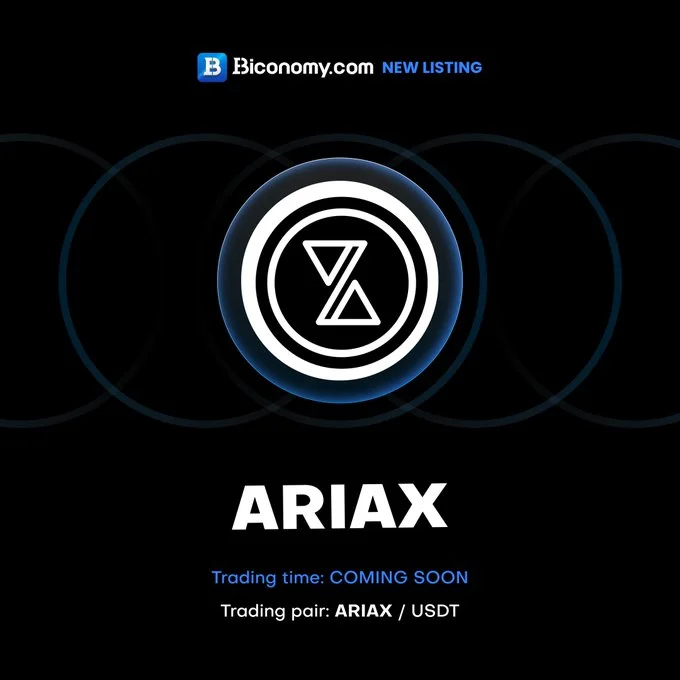
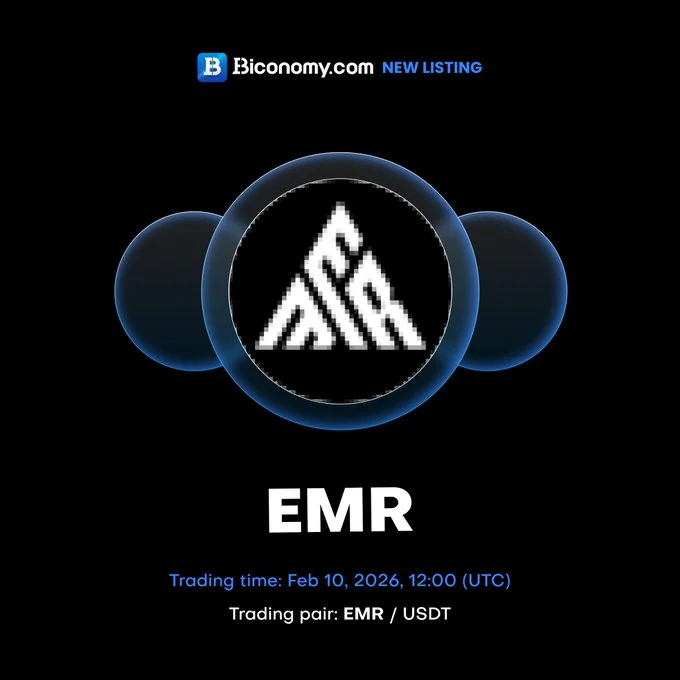
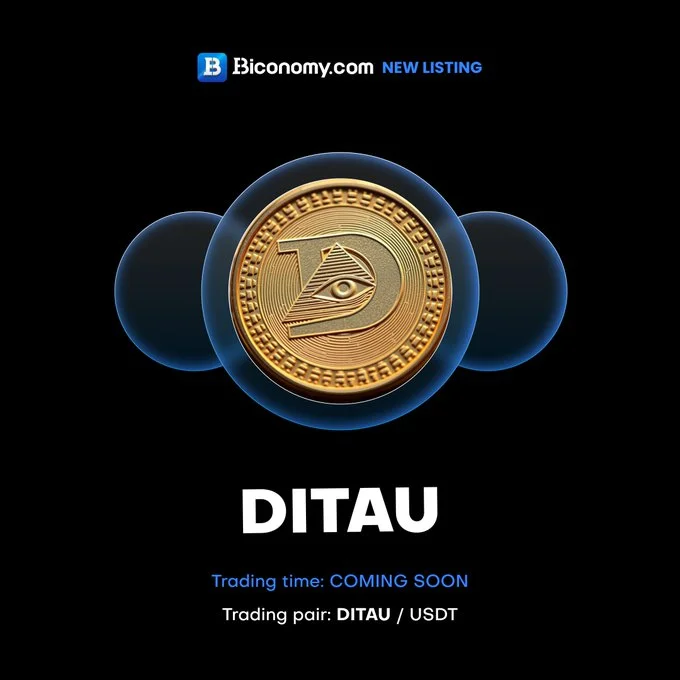
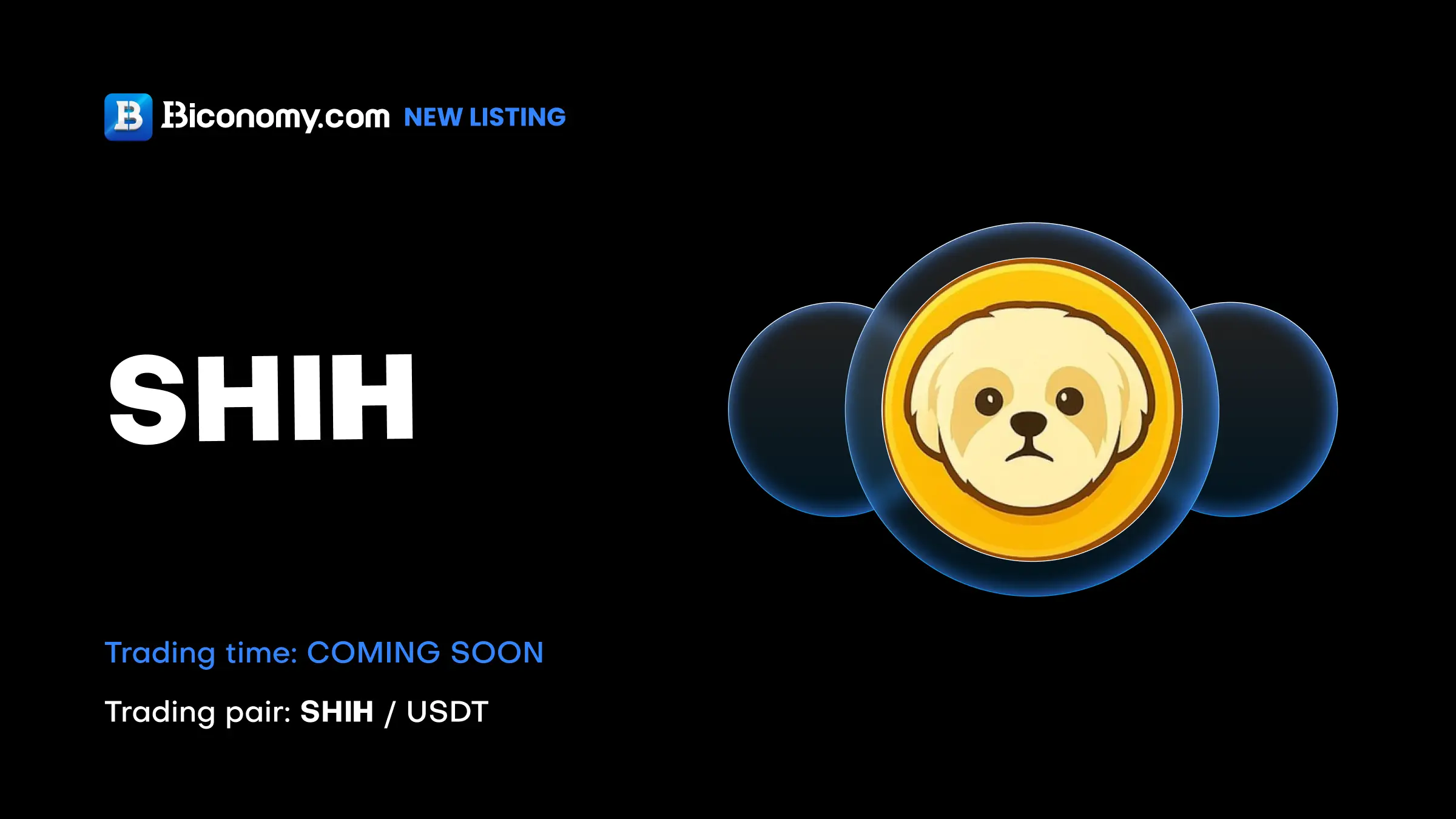
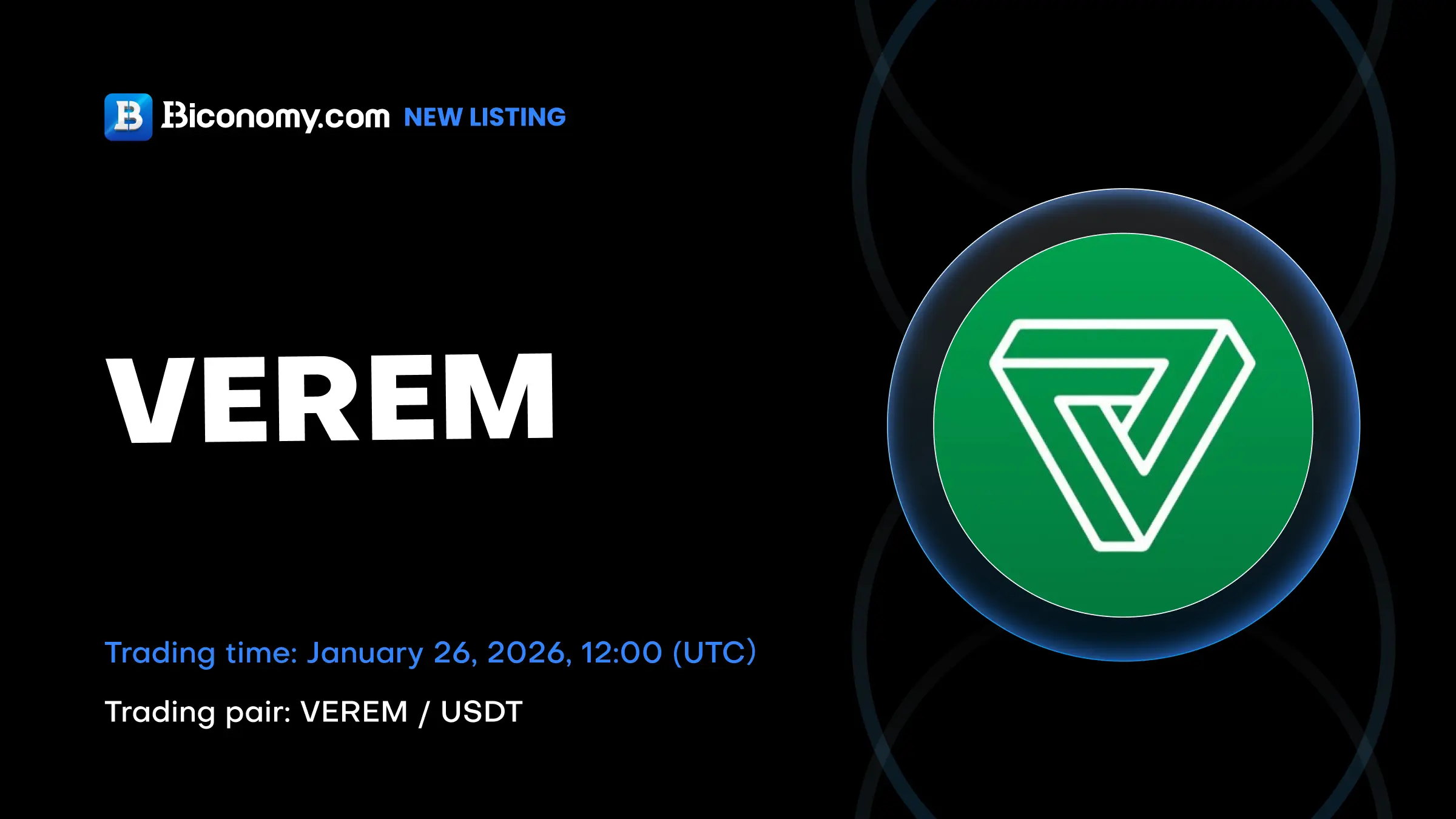
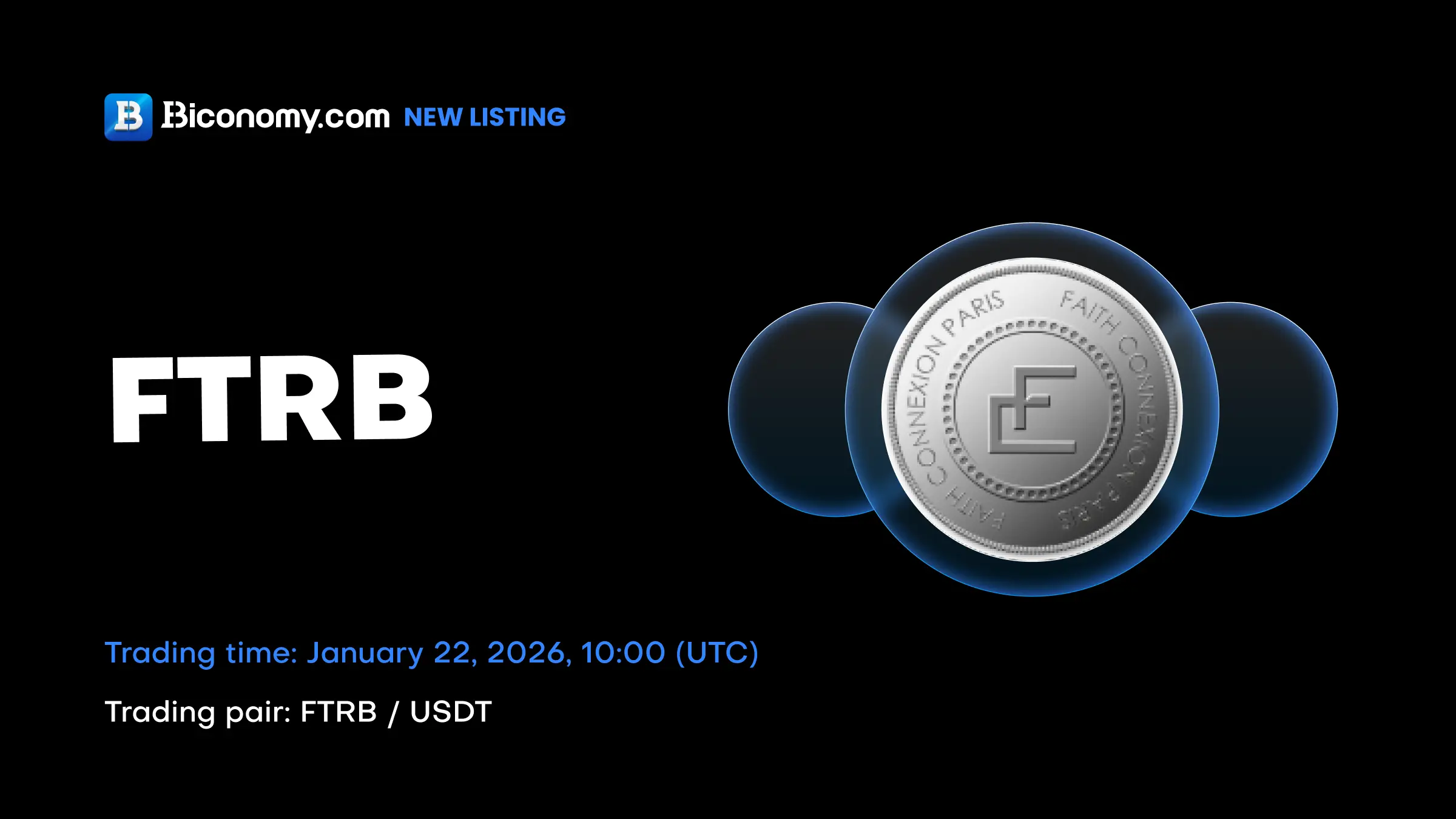

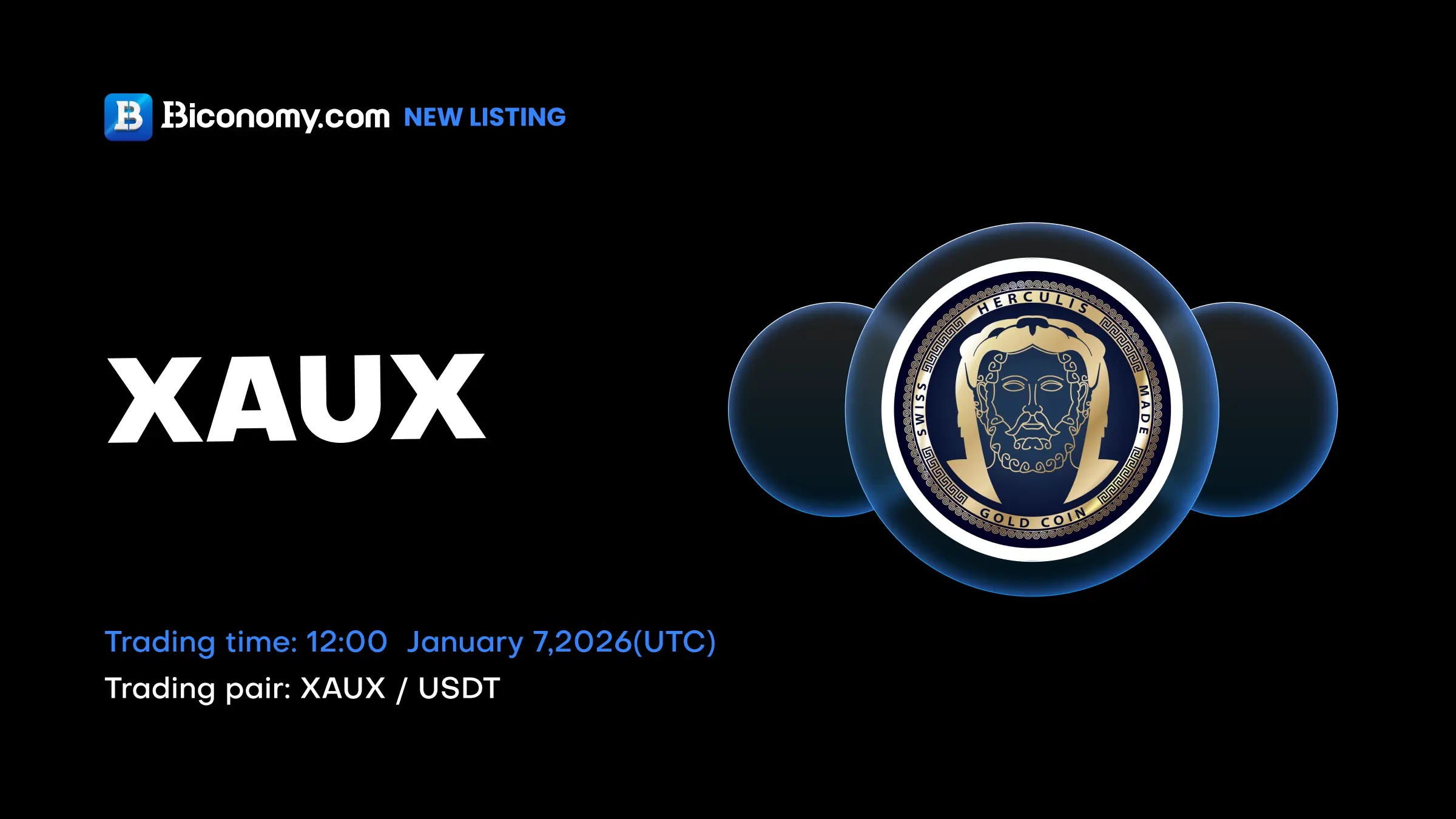
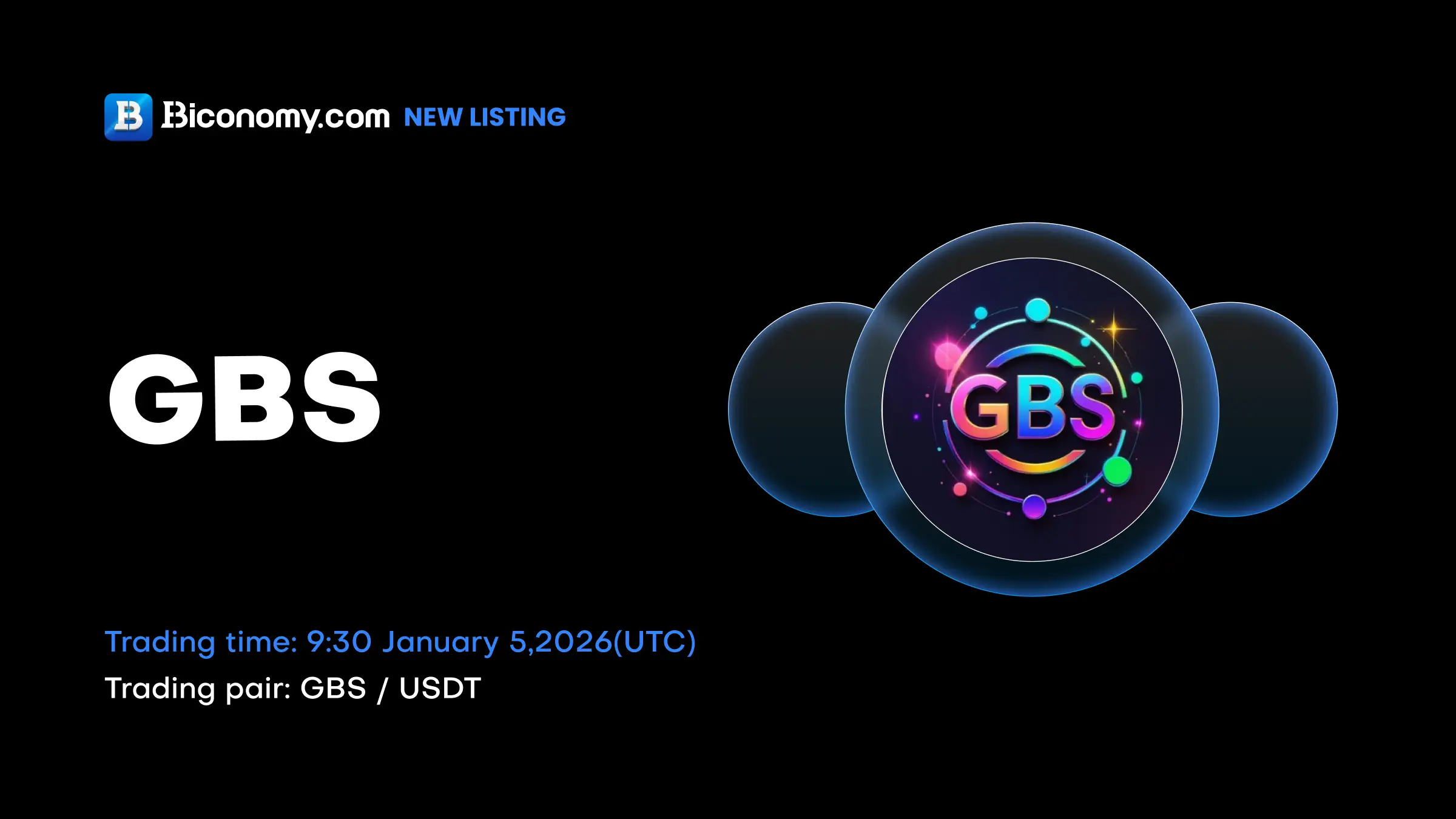
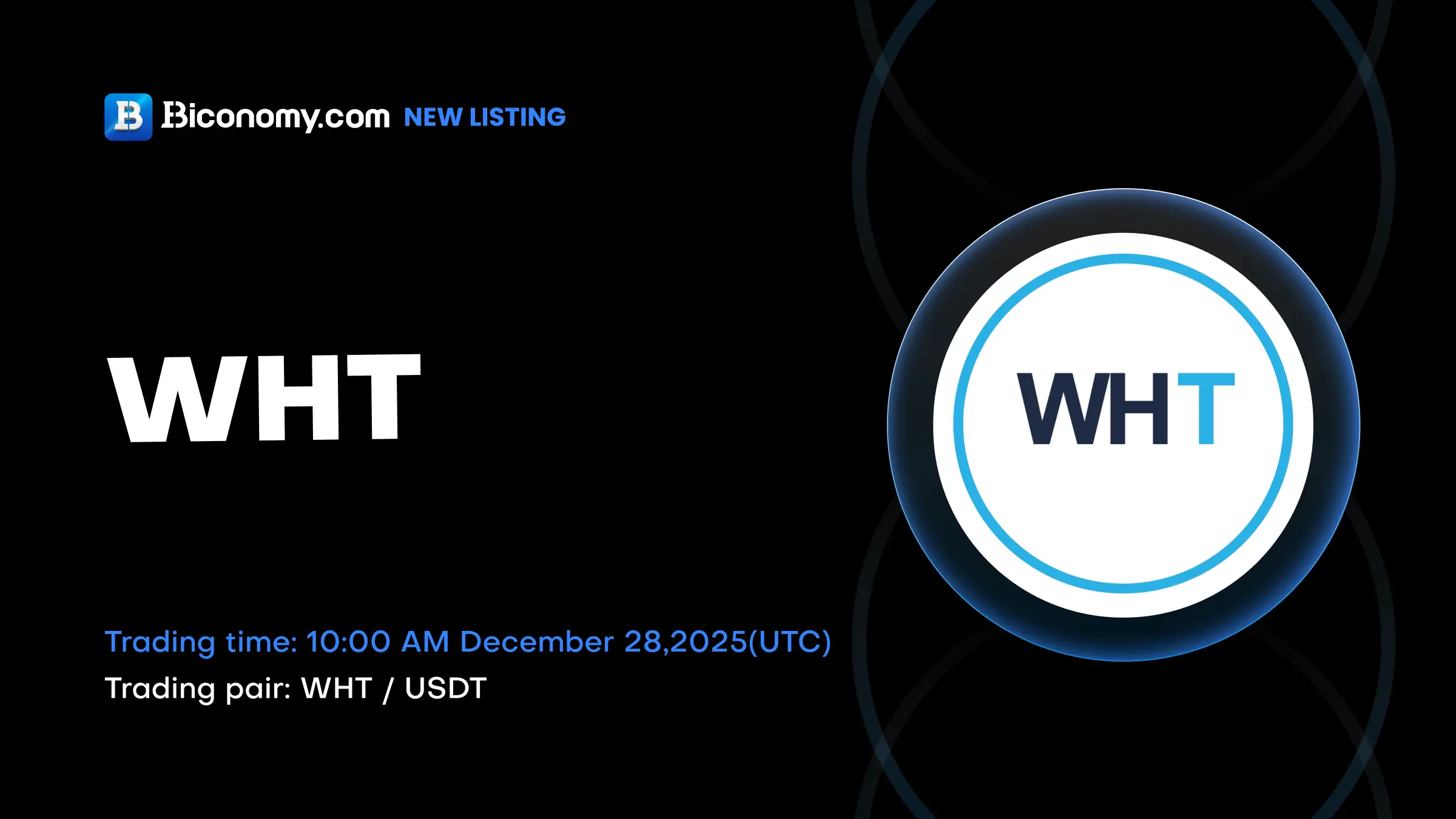
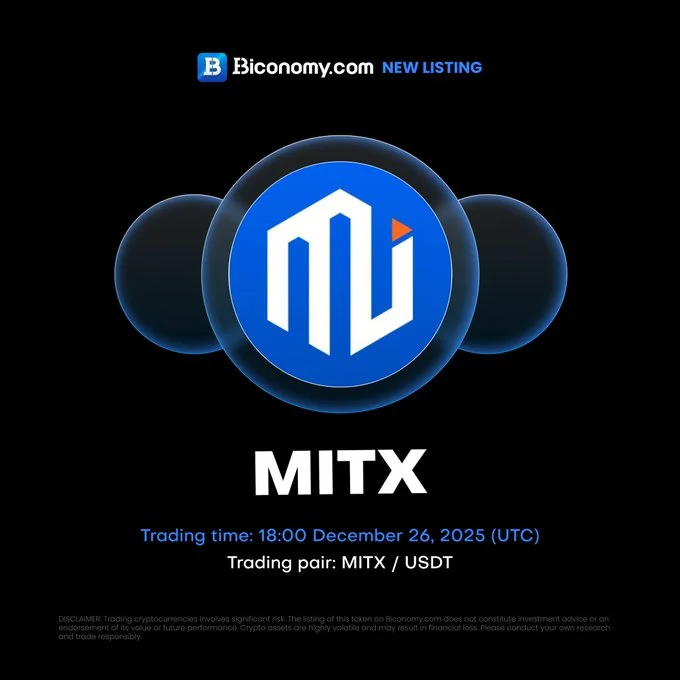

Quick Facts About Biconomy Listings
Biconomy listings can have different dates for deposits, spot trading, and withdrawals. Checking each part of the schedule can help users understand when a token is actually available.
- Exchange: Biconomy.com
- Market type: Spot trading
- Common quote asset: USDT
- Main details: Token, symbol, pair, date, and time
- Listing stages: Upcoming, opening, live, changed, or archived
- Source type: Official Biconomy listing notices and market records
Which Tokens Will List on Biconomy.com and When?
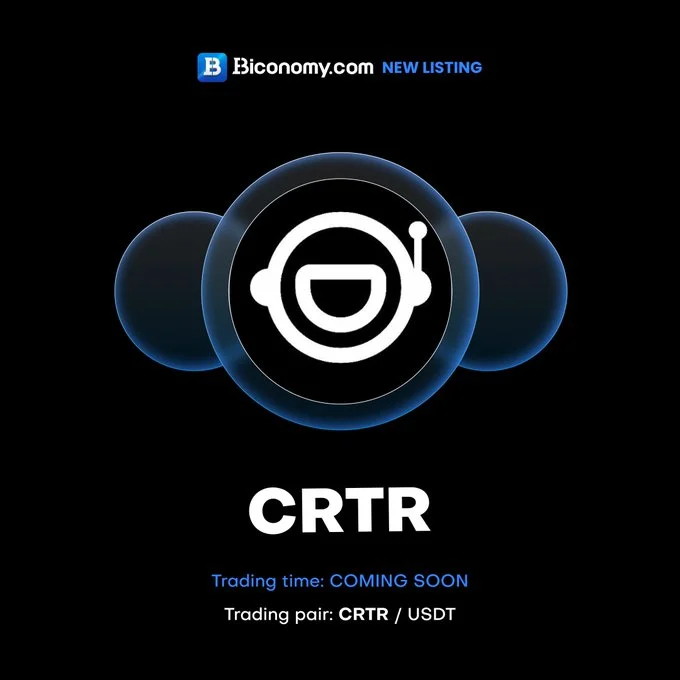
Biconomy publishes new spot-listing announcements through its official support centre. Its listing archive contains many spot-listing notices, including live announcements and entries marked as coming soon.
Use this page to check:
- Newly announced Biconomy listings
- Upcoming Biconomy spot pairs
- Tokens that recently began trading
- Deposit and withdrawal opening times
- Delayed or changed listing schedules
- Older token listings stored in the archive
A listing announcement confirms planned market access. It does not mean that a token will rise in price or have strong liquidity after trading begins.
Biconomy Listings Open in Three Separate Groups
A long list of token names can be hard to use. This page divides Biconomy exchange listings into three simple groups: On Deck, Opening Now, and Recently Added. This helps users find the right listing without checking every announcement.
On Deck
On Deck contains Biconomy upcoming listings that have been announced but have not yet reached their planned spot-trading time.
When available, each entry shows:
- Token name
- Token symbol
- Confirmed spot pair
- Announcement date
- Scheduled trading time
- Deposit status
- Countdown or upcoming label
A token should not enter this group based only on rumours, private messages, or project claims. A listing needs a traceable Biconomy.com announcement or an official market record.
Entries marked as “coming soon” may not have a full trading schedule yet. In these cases, the listing should show that the date is pending instead of using an estimated launch time. Users comparing events across other platforms can visit Coin Gabbar’s crypto exchange listing calendar.
Opening Now
Opening Now contains Biconomy spot listings planned for the current date or markets that have just reached their announced opening time.
This section helps users check:
- Whether the trading pair is live
- Which quote asset is used
- Whether deposits are open
- Whether withdrawals are available
- Whether the launch time changed
- When the listing record was last checked
The full date should appear next to words such as “today.” This keeps the listing clear when users return to the page later.
Recently Added
Recently Added contains tokens whose Biconomy spot markets opened during the latest period. A token can stay in this section for a short time before moving to the monthly listing archive.
The original trading date should remain visible. A general “live” label alone does not tell users when the market opened.
Each Biconomy Listing Needs a Clear Identity Card
Each token listing needs clear details so users do not confuse similar token names or miss the correct spot trading pair.
| Listing field | Information displayed |
|---|---|
| Project | Complete project or asset name |
| Symbol | Ticker stated in the announcement |
| Spot pair | Exact Biconomy.com trading pair |
| Announcement date | Date the listing notice was published |
| Trading opens | Scheduled market-opening date and time |
| Deposits | Open, pending, or not stated |
| Withdrawals | Open, pending, or not stated |
| Listing stage | Upcoming, opening, live, or changed |
Biconomy listing announcements may name a token/USDT spot pair and provide different times for deposits, trading, and withdrawals. For example, an exchange notice may confirm one trading pair but give separate opening times for each service.
For this reason, users should check all parts of the listing schedule instead of treating one date as the opening time for every service.
The Spot Pair Is the Main Listing Detail
The confirmed Biconomy spot pair is one of the most important parts of a listing. A token name alone does not show which market is opening. The full trading pair shows the listed token and the asset used to quote its value.
| Pair | Simple meaning |
|---|---|
| ABC/USDT | ABC trades against USDT |
| ABC/USDC | ABC trades against USDC |
| ABC/BTC | ABC trades against Bitcoin |
Many Biconomy new-listing notices use a token/USDT format. However, every listing must be checked on its own. A page should not assume that a token has extra trading pairs unless they are confirmed.
A listing may also involve tokens such as ALLO, DATA, OSHI, CNT, ARX, GCOIN, OPG, or KCT. The token name, ticker, and trading pair should always match the exchange record.
First Listing or Another Pair?
A new trading pair does not always mean that a token is appearing on Biconomy.com for the first time.
A listing record can identify the event as:
- The token’s first Biconomy spot listing
- An extra pair for an existing token
- A relaunch after a technical update
- A renamed market
- A replacement after a token migration
This label helps users understand whether the announcement is for a new coin listing or only a change to an existing market.
Follow the Three Times in Every Listing Notice
Biconomy token listing dates are easier to understand when deposits, trading, and withdrawals are shown separately. These three times may not be the same.
Deposit Time
The deposit time tells users when Biconomy.com plans to begin accepting the token into exchange wallets.
Deposits may be:
- Open before trading
- Open at the same time as trading
- Marked as to be determined
- Delayed because of wallet or network work
An open deposit does not mean that spot trading is already live.
The listing page should also show the blockchain network when it is confirmed. Before transferring crypto, users should check the supported network and token contract details.
Trading Time
The trading time tells users when the named Biconomy spot pair is expected to open.
This field should include:
- The full calendar date
- The exact opening time
- The source time zone
- A local time conversion when available
Biconomy announcements may include exact UTC trading times. Showing the hour as well as the date helps users know when the spot market is planned to open.
Withdrawal Time
The withdrawal time tells users when they may be able to move the listed token away from Biconomy.com.
Withdrawals can open after spot trading begins. Because of this, a listing should not be treated as fully open until the status of deposits, trading, and withdrawals is clear.
Broader project events that may affect a token’s network or availability can be followed through Coin Gabbar’s latest crypto news.
What the Listing Labels Mean
Simple status labels make Biconomy exchange listings easier to understand. Each label should have one clear meaning.
| Listing label | Meaning |
|---|---|
| Announced | Biconomy has published a listing notice |
| Coming soon | The token is confirmed, but full timing is pending |
| Upcoming | A future spot-trading time is available |
| Opens today | The pair is planned to open on the current date |
| Trading live | The announced opening time has passed |
| Time revised | A later notice changed the first schedule |
| Deposit pending | Trading details exist, but deposits are not open |
| Withdrawal pending | Trading may be live, but withdrawals are still pending |
| Archived | The listing has moved out of the recent feed |
A status should change when the listing schedule changes. An old “upcoming” label should not stay after the planned trading time has passed.
“Coming soon” and “upcoming” should also remain separate. A coming-soon listing may not have a fixed trading date, while an upcoming listing normally has a planned launch time.
Browse Biconomy New Listings by Date
Users may remember when they saw a token listing but forget its exact name. A date-based archive can make older Biconomy exchange listings easier to find.
The archive can include:
- Today’s listings
- This week’s listings
- This month’s listings
- Upcoming listings
- Recently opened listings
- Monthly listing archives
- Year-based archives
Today’s Listings
This view contains markets planned for the selected date. Each entry should make its current status easy to understand.
Users can check whether:
- Trading has not started
- The opening time has arrived
- The launch has been delayed
- Deposits remain pending
- Withdrawals remain pending
This Week’s Listings
The weekly view groups confirmed Biconomy listing announcements by their spot-market opening dates. It helps users compare several token launches without mixing them with much older listings.
A week with many new listings does not mean that those tokens are better investments. This page reports listing schedules and market access. It does not predict future returns.
Listing Archive
The archive stores Biconomy spot listings after they leave the recent section. This keeps older listing dates available for research.
Users should be able to search by:
- Token name
- Ticker symbol
- Spot pair
- Listing month
- Listing year
- Current listing status
Coin Gabbar’s crypto listing directory can provide a wider set of individual listing pages when users need more details about a selected token.
Handle Missing Details Without Guessing
Some Biconomy listing notices may not include every date when they are first published. A trading pair and opening time may be known while a deposit or withdrawal date is still pending.
Missing information should use clear labels such as:
- To be determined
- Not announced
- Coming soon
- Awaiting update
- Schedule revised
The page should never replace missing details with a guessed time. When the exchange publishes more information, the same listing record can be updated and given a visible last-checked date.
Show Schedule Changes Inside the Same Record
If Biconomy changes a token launch time, the update should stay inside the original listing record. Creating another card for the same event may confuse users and create duplicate information.
| Schedule entry | Display |
|---|---|
| First trading time | Original announced date and time |
| Latest trading time | New confirmed date and time |
| Change status | Delayed, moved, resumed, or updated |
| Last checked | Date of the latest verification |
This keeps the listing history clear. If the exchange does not explain why the schedule changed, the record should say reason not provided.
The page should not guess that a delay was caused by liquidity, compliance checks, project problems, or technical work unless the exchange confirms it.
Confirm a Listing Before Adding It
Biconomy upcoming listings should contain confirmed exchange events rather than market rumours. A listing can be treated as confirmed when there is enough information to identify the event clearly.
Important confirmation points include:
- A Biconomy.com listing notice or market reference
- The complete project name
- The token symbol
- A stated spot pair or coming-soon label
- An announcement date
- A trading time when available
Biconomy’s support centre includes sections for new and spot listings. These exchange notices can be used to check token names, ticker symbols, trading pairs, and launch schedules.
Claims from private groups, anonymous accounts, or copied screenshots should not be treated as confirmed listings without an official exchange source.
Users should also check whether a website or social account is an official Biconomy source before trusting a listing claim.
Add a Market Snapshot After Trading Starts
After a Biconomy spot listing becomes live, a small market snapshot can give users extra context. The market data should sit below the original listing schedule and should not replace it.
Useful market fields may include:
- Opening price when reliable
- Current token price
- 24-hour trading volume
- Highest price
- Lowest price
- Price update time
- Available circulating supply
- Market capitalization when available
Market price, trading volume, circulating supply, and market cap can change quickly. Every market snapshot should therefore show when the data was last updated.
Keep Price Predictions Off the Listing Feed
A Biconomy listing does not prove that a token price will rise. Exchange access and future price performance are different things.
A newly opened crypto market may have:
- Limited buy and sell orders
- A wide gap between bids and asks
- Sudden changes in trading volume
- Strong selling from early holders
- Different prices across exchanges
- Low or unstable market liquidity
The listing record should explain what market opened and when it opened. It should not present a new token listing as a buy signal or promise future returns.
A Focused Record of Biconomy Spot Listings
This page organises Biconomy exchange listings in a simple format. Use On Deck to check upcoming token listings. Use Opening Now for markets reaching their planned launch time. Check Recently Added for new Biconomy spot pairs that have already opened. Use the archive to find older listing dates.
For each token, check the full project name, ticker symbol, trading pair, deposit time, trading time, withdrawal time, network details when available, and latest listing status.
Missing information should stay marked as pending until Biconomy.com publishes an update. This helps keep listing records clear and avoids giving users guessed information.
Risk Notice
The listing feed provides information only. It does not rank tokens, promise returns, or recommend buying a newly listed coin.
New crypto markets may have low liquidity, wide spreads, and fast price changes. Always check the latest listing details and do your own research before making a financial decision.




